
If you’ve ever wished your blood sugar could text you instead of surprising you like a jump-scare in the middle of lunch, that’s basically the promise of a CGM. A continuous glucose monitor is a wearable device that tracks glucose levels throughout the day and night, giving you a much fuller picture than the occasional fingerstick. It doesn’t just tell you where your glucose is now. It shows where it’s heading, which is the part that makes people say, “Wait, this little patch knows I ate pizza?”
For many people with diabetes, a CGM can make daily decision-making easier, safer, and less mysterious. It can also help people who are not using insulin, or even some people exploring metabolic health, see patterns they would otherwise miss. The tricky part is that picking one is no longer as simple as “get the one your doctor mentioned first.” The U.S. market now includes prescription CGMs, over-the-counter glucose biosensors, pump-connected systems, long-wear sensors, implantable options, and devices aimed more at lifestyle pattern tracking than intensive diabetes management.
So let’s break it down in plain English: what a CGM is, how it works, what the data actually means, and how to choose the right one without feeling like you need a degree in endocrinology and a side hobby in Bluetooth troubleshooting.
What Is a CGM?
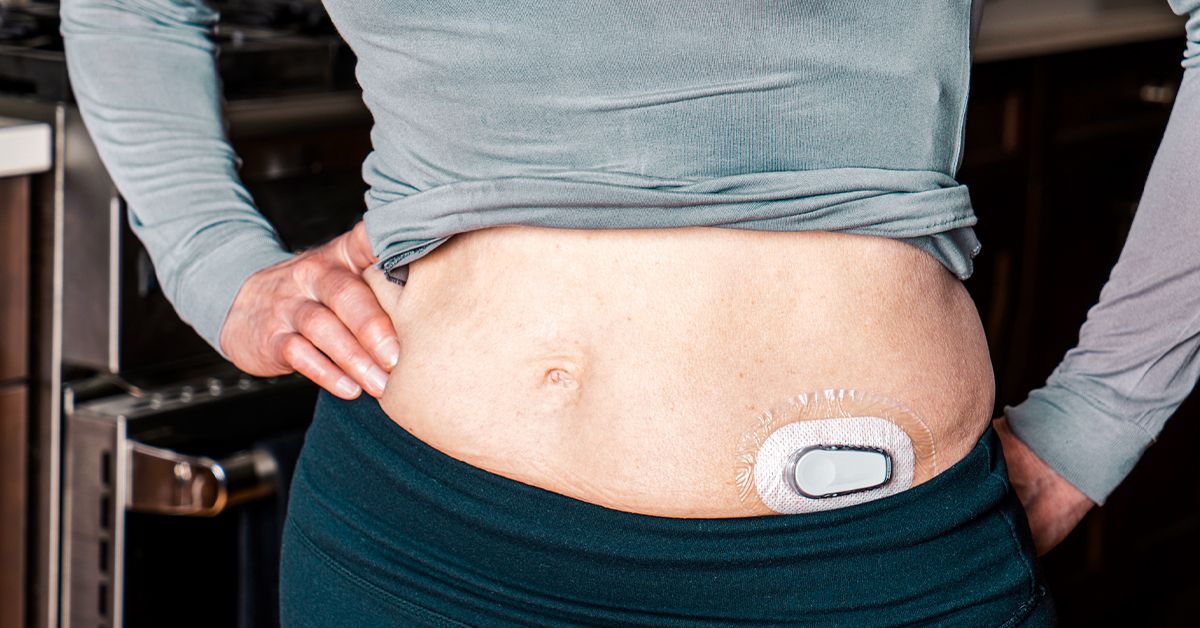
A CGM, or continuous glucose monitor, is a wearable system that measures glucose levels in the interstitial fluid just under your skin. Most systems use a small sensor worn on the body, usually the arm. That sensor sends glucose readings to an app, receiver, insulin pump, or some combination of the three. Instead of checking one number here and there, you get a steady stream of data, trend arrows, and often high and low alerts.
That last part matters. A fingerstick gives you a snapshot. A CGM gives you a movie. And when you’re trying to understand why your glucose is drifting up at 3 a.m. or crashing after a workout, the movie is much more useful than a single still frame.
Some CGMs are designed for people with type 1 diabetes, some for type 2 diabetes, some for gestational diabetes, and some for adults who are not using insulin but want more insight into how food, sleep, stress, or exercise affect their glucose. In other words, the modern CGM world is not one-size-fits-all, and that’s a good thing.
How Does a Continuous Glucose Monitor Work?
A CGM sensor sits just under the skin and checks glucose in interstitial fluid every few minutes or, in some systems, every minute. The reading is then sent wirelessly to your phone, receiver, or pump. Many devices also show trend arrows, which tell you whether glucose is steady, rising, or dropping.
Here’s the important fine print: a CGM does not read glucose from a direct drop of blood. That means there can be a short lag between your blood glucose and your sensor reading, especially when glucose is changing quickly after meals, exercise, or treating a low. So while CGMs are incredibly useful, they are not mind readers, fortune tellers, or magical stickers from the future.
That’s also why many people still keep a fingerstick meter around. If symptoms don’t match the reading, if the system tells you to confirm, or if you’re in the startup period on certain devices, a blood glucose meter may still be the tie-breaker.
Why People Love CGMs
The biggest reason people like CGMs is simple: they reduce guesswork. Instead of wondering whether a meal “worked,” whether an evening walk helped, or whether overnight lows are sneaking in, you can actually see what happened.
1. They reveal patterns
A CGM can show that your glucose climbs every morning before breakfast, spikes after a certain snack, or drops during long walks. These patterns often hide in plain sight when you rely only on occasional checks.
2. They can improve safety
Real-time alerts can warn you when glucose is going too low or too high, which is especially helpful for people using insulin or anyone at risk for hypoglycemia.
3. They make conversations with clinicians better
Instead of saying, “My numbers have been weird lately,” you can show two weeks of data. That makes medication, meal, and exercise adjustments much more targeted.
4. They shift the focus from perfection to patterns
A good CGM user learns to ask better questions: not “Was this number good or bad?” but “What happened before it, where is it headed, and what can I learn from it?” That mindset is often more useful than obsessing over every single reading like it’s a pop quiz.
The CGM Metrics That Actually Matter
When people first start using a CGM, they often fixate on the current number. That’s understandable, but the real value is in the bigger picture.
Time in Range
Time in Range (TIR) is the percentage of time your glucose stays in your target range. For many nonpregnant adults with type 1 or type 2 diabetes, the common target range is 70 to 180 mg/dL, and a common goal is more than 70% of the day in range. That does not mean everyone has the same target, but it is a widely used starting point.
Time Below Range
This tells you how much time you’re spending low. In practice, many clinicians focus on reducing lows first, because hypoglycemia is the problem that can go from annoying to dangerous in a hurry.
Time Above Range
This shows how much time you’re running high. If this number is large, it may point to meal patterns, medication timing issues, overnight trends, or other factors worth reviewing.
Trend Arrows
A reading of 110 mg/dL with a flat arrow is a very different situation from 110 mg/dL with a straight-down arrow. The number matters, but the direction matters too.
Data Quality
To make CGM reports useful, experts generally recommend at least 14 days of data with around 70% active wear time. Translation: if you barely wore the sensor, the report is more fortune cookie than science.
How to Pick the Right CGM
There is no universal “best CGM.” There is only the best CGM for your treatment plan, budget, technology tolerance, and daily life. Here are the biggest questions to ask before choosing.
Do you use insulin, and do you need strong low-glucose alerts?
If you use insulin or have a history of lows, prioritize a device with dependable real-time alerts and an interface you will actually respond to. This is not the time to choose a system just because the sensor looks sleek in a product photo.
Do you want insulin pump integration?
If you use an automated insulin delivery system, compatibility should move to the very top of your list. A CGM that talks to your pump can help drive automated insulin adjustments, which changes the whole experience. In that case, ecosystem fit may matter more than sensor size or app design.
Do you want prescription diabetes management or over-the-counter tracking?
This is one of the biggest forks in the road. Prescription CGMs are generally the better choice for people managing diabetes more intensively, especially those using insulin, needing alerts, or wanting pump connectivity. OTC glucose biosensors can be useful for adults not using insulin who want easier access and pattern insight without the prescription step.
How often are you willing to change sensors?
Some people don’t mind replacing a sensor every 10 to 15 days. Others would happily trade a more involved setup for less frequent changes. This is where wear time becomes a real quality-of-life issue, not just a spec sheet brag.
How much do alarms matter to you?
Some people want every warning available. Others already have enough devices beeping at them and would prefer fewer interruptions. If alert fatigue drives you bananas, choose a system with customizable alert settings and a reputation for a manageable user experience.
How important is app design and sharing?
Some CGM apps are excellent at making patterns obvious. Others are fine but feel like they were designed by engineers who think “joy” is an optional setting. If you share data with family or caregivers, make sure the platform supports that comfortably.
What does your insurance actually cover?
This is the least glamorous question and the one that wrecks the most shopping fantasies. Coverage varies by insurance type, pharmacy versus durable medical equipment benefit, diagnosis, insulin use, and plan rules. OTC devices may be easier to access, but that does not always make them cheaper in the long run.
A Quick Look at Today’s Main U.S. CGM Paths
The landscape keeps evolving, but these are the broad lanes many U.S. users consider today.
| CGM path | Who it may suit best | Why people choose it |
|---|---|---|
| Dexcom G7 / G7 15 Day | People who want strong real-time alerts, app connectivity, and diabetes-focused features | Known for real-time monitoring, customizable alerts, and broad connectivity; the 15-day version extends wear time for eligible adults |
| FreeStyle Libre 3 Plus family | People who want a very small sensor, automatic readings, and a streamlined app experience | Small profile, minute-by-minute readings, optional alarms, and compatibility with select automated insulin delivery systems |
| Medtronic ecosystem | People using or planning to use a Medtronic pump | The CGM choice is closely tied to pump automation and system integration, especially with MiniMed workflows |
| Eversense 365 | Adults with diabetes who want very long wear and fewer insertions | Implantable sensor placed by a healthcare professional, with up to one year of wear |
| OTC options like Stelo, Lingo, and Libre Rio | Adults not using insulin who want easier access and pattern awareness | Lower barrier to entry, lifestyle insight, and no traditional prescription process for eligible products |
Dexcom G7 and G7 15 Day
If you want a classic real-time CGM experience with alerts, strong app features, and broad connectivity, Dexcom is often high on the list. The standard G7 is widely used for diabetes management, while the newer G7 15 Day extends wear time for eligible adults. This path can make sense for people who want robust alerts, remote sharing, and a system that fits into a broader diabetes-tech ecosystem.
FreeStyle Libre 3 Plus
The Libre family remains popular because it tends to feel simple and discreet. The FreeStyle Libre 3 Plus sensor is small, provides automatic readings to the app, and offers optional alarms. It also fits people who want a modern CGM without feeling like they’re strapping a mini gadget showroom to their arm.
Medtronic systems
For Medtronic users, the CGM decision is often inseparable from the pump decision. If your goal is automated insulin delivery with Medtronic hardware, you should evaluate the sensor in that connected context rather than as a stand-alone fashion accessory with numbers.
Eversense 365
Eversense is different because the sensor is implanted under the skin of the upper arm by a healthcare professional and can last up to a year. That makes it appealing for adults who hate frequent sensor changes or struggle with adhesives. The tradeoff is that it involves in-office procedures and ongoing calibration requirements, so it is not the lazy option. It is the long-game option.
OTC glucose biosensors
Over-the-counter options have expanded the market. Dexcom Stelo is aimed at adults not using insulin. Abbott’s Lingo is positioned more toward health and wellness insight, while Libre Rio is geared toward adults with type 2 diabetes not using insulin. These products can be helpful for spotting food and activity patterns, but they are not automatically the best fit for people who need the full safety and treatment features of a prescription diabetes CGM.
Mistakes to Avoid When Picking a CGM
Choosing based only on what looks cheapest upfront
A lower monthly number can turn into a worse experience if the app annoys you, the alerts aren’t right for your needs, or your treatment plan really calls for a more fully featured device.
Ignoring compatibility
Always check whether the CGM works with your phone, preferred receiver setup, insulin pump, and sharing needs. A “great” device that doesn’t talk to your other tools is not actually great. It is just expensive irony.
Assuming all CGMs do the same thing
They don’t. Some are built for intensive diabetes management. Some are built for non-insulin users. Some are pump-first. Some are long-wear. Some are more lifestyle-oriented. Read the intended use carefully.
Buying into fake noninvasive gadget hype
If a smartwatch or ring claims it can measure blood glucose on its own without an approved sensor, be skeptical. Picking a CGM should involve real device clearance and real performance data, not wishful marketing and the kind of tech fantasy that sounds like it belongs in a spy movie.
What Using a CGM Actually Feels Like: Experience-Based Takeaways
Here’s the part product pages rarely capture: using a CGM is as much an experience as it is a medical tool. For many people, the first surprise is that insertion is usually less dramatic than anticipated. You spend a day imagining a medieval contraption, and then the application is over in seconds. The second surprise is that the emotional adjustment can take longer than the physical one. Seeing glucose data all day can feel empowering, but it can also feel like your body suddenly started live-streaming its opinions.
A common early experience is becoming a little too fascinated by the graph. Breakfast becomes a science fair. Coffee becomes a personal mystery. A banana can go from “healthy snack” to “interesting choice, let’s discuss” depending on your response. People quickly learn that identical meals do not affect everyone the same way. Two people can eat the same sandwich and get two very different glucose curves. That realization is one reason CGMs can be so useful: they turn generic nutrition advice into something more personal.
Another common experience is learning the difference between a number and a trend. A new user may panic at one reading, then discover the arrow matters just as much. A slightly elevated number that is drifting down can be far less concerning than a normal-looking number that is dropping fast. Over time, many users become less reactive and more strategic. They stop treating every data point like a verdict and start treating it like information.
There is also the issue of alarm psychology. Alerts can be reassuring, especially overnight or during exercise, but they can also become the digital equivalent of a smoke detector that is technically helpful and emotionally exhausting. This is why alert settings matter so much. The best CGM is not necessarily the one with the most notifications. It is the one that gives you the right notifications at the right times, in a way you will not end up ignoring out of sheer annoyance.
Then there’s the adhesive learning curve. Some people slap on a sensor and forget it exists. Others discover they need skin prep, overpatches, rotation strategies, or a better plan for humid weather, workouts, or swimming. That can be frustrating at first, but it often gets easier as routines settle in.
Many users also describe a subtle but important mental shift: a CGM can make diabetes, prediabetes, or glucose pattern management feel less like guesswork and more like feedback. That does not mean the device removes stress entirely. It does mean many people feel more informed, more prepared, and less blindsided. The best experiences usually come when the CGM fits smoothly into everyday life instead of becoming the star of the show. You want it to be a useful co-pilot, not a needy passenger grabbing the steering wheel.
Conclusion
A continuous glucose monitor is one of the most useful tools available for understanding glucose patterns in real time. It can help with safety, support better treatment decisions, and make everyday choices around food, activity, and medication far less mysterious. But the right device depends on your goals. If you use insulin, prioritize alerts and treatment features. If you use a pump, prioritize compatibility. If you want long wear, look hard at that feature. If you want simple access and lifestyle insight, an OTC option may make sense.
In the end, the best CGM is not the one with the flashiest marketing, the tiniest sensor, or the fanciest acronym soup. It is the one you can wear consistently, understand easily, afford realistically, and trust enough to act on. That’s the pick worth making.
SEO Tags