
If bathrooms handed out trophies, the soaker tub would walk onto the stage in a satin robe, wave modestly, and pretend it did not already know it was the main character. A great soaking tub does more than hold warm water. It sets the mood, anchors the room, supports daily relaxation, and gives your bathroom that “boutique hotel, but I own the towels” feeling.
The best bathtub design today is not only about choosing something pretty. It is about proportion, comfort, placement, materials, plumbing, lighting, safety, and personality. A sculptural freestanding tub may look gorgeous in a magazine, but if it blocks the vanity drawer or requires Olympic-level agility to enter, the romance fades quickly. The real winner is a soaker tub design that looks luxurious, works beautifully, and makes you want to linger five extra minutes even when your schedule is yelling.
Below are 15 unique soaker tub design ideas that blend spa-like comfort with smart remodeling logic. Whether you are planning a full primary bathroom renovation, refreshing a guest bath, or simply daydreaming with suspiciously serious intent, these ideas can help you create a bathing space worthy of a little imaginary gold statue.
What Makes a Soaker Tub Design Award-Worthy?
A soaker tub is typically deeper than a standard bathtub, allowing more of the body to be submerged. Standard alcove tubs are practical and space-saving, but true soaking tubs often add extra depth, a more comfortable back slope, and a more intentional bathing experience. Many homeowners choose freestanding tubs for the visual drama, while others prefer drop-in, undermount, alcove, corner, or Japanese-style soaking tubs for layout reasons.
Before falling in love with a tub shape, consider the basics: bathroom size, floor support, drain location, faucet type, user height, water capacity, and ease of cleaning. A larger tub may feel luxurious, but it also uses more water and may need a stronger floor structure. A smaller Japanese-style soaking tub can feel surprisingly indulgent because it trades length for depth. In other words, the best bathtub is not always the biggest bathtub. It is the one that fits your body, your room, and your lifestyle without turning installation day into a plumbing opera.
15 Unique Soaker Tub Design Ideas
1. The Sculptural Freestanding Tub as the Bathroom Centerpiece
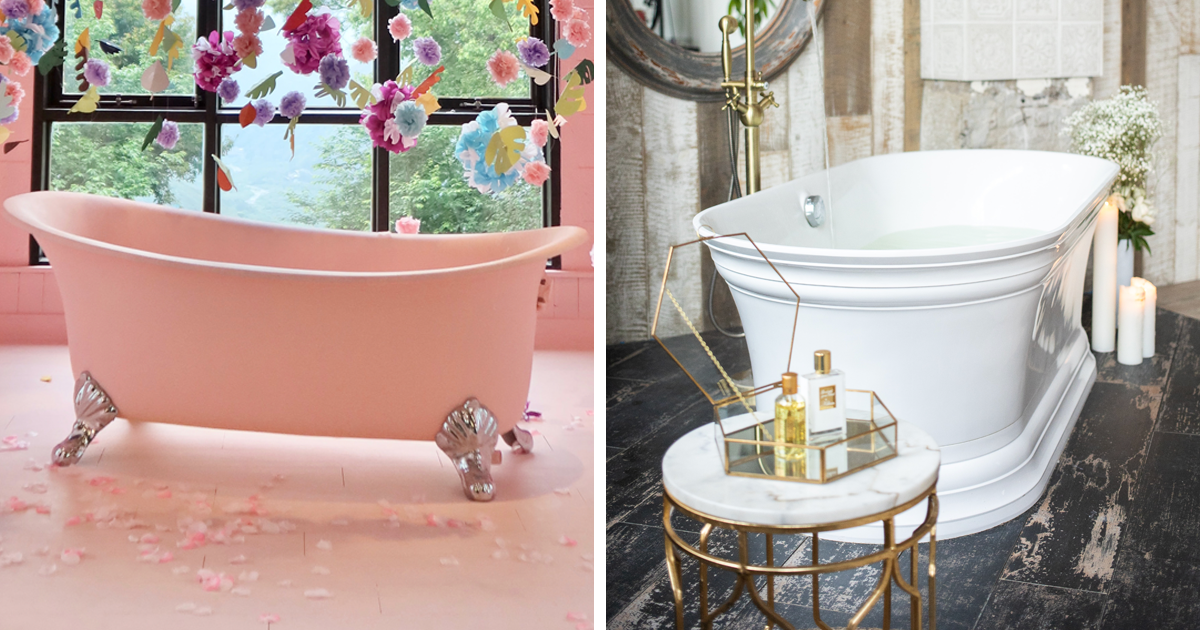
A freestanding soaking tub is the classic award-show entrance. Place it where it can be seen from the doorway, vanity, or shower zone, and it instantly becomes the focal point. Oval tubs feel soft and timeless, rectangular tubs create a modern architectural mood, and slipper tubs add a graceful vintage note.
For the strongest effect, give the tub breathing room. Avoid wedging a freestanding tub so tightly into a corner that cleaning around it becomes a weekly emotional crisis. Pair it with a floor-mounted tub filler in brushed nickel, matte black, warm brass, or satin bronze for a finished designer look.
2. A Japanese-Style Deep Soaking Tub for Small Bathrooms
Small bathroom? Do not surrender your spa dreams just yet. A Japanese-style soaking tub is often shorter and deeper than a traditional tub, allowing the bather to sit more upright while enjoying deeper water. This makes it an excellent option for compact spaces where a long freestanding tub would dominate the room like a grand piano in a hallway.
Use wood-look tile, natural stone, bamboo accessories, soft lighting, and a simple stool or bench nearby. The result feels calm, efficient, and deeply intentional. This design works especially well in bathrooms inspired by minimalism, Zen interiors, or warm organic modern style.
3. The Wet Room Tub-and-Shower Combination
A wet room places the shower and tub inside one waterproofed zone. Instead of separating the tub from the shower with bulky barriers, the entire bathing area becomes open, sleek, and spa-like. A freestanding soaker tub can sit beside a rain shower behind a glass panel or inside a tiled enclosure.
This idea is especially useful for narrow bathrooms because it keeps the room visually open. Large-format tile, linear drains, and minimal grout lines create a seamless look. Just make sure the slope, waterproofing, ventilation, and splash control are handled professionally. A wet room should feel like a luxury retreat, not like your bathroom lost an argument with a garden hose.
4. A Window-Side Soaker Tub With a View
Few bathtub design ideas beat a soaking tub placed near a beautiful window. Natural light softens the room, makes the tub feel connected to the outdoors, and gives you something more inspiring to stare at than the shampoo bottle label.
Privacy is the key. Consider frosted glass, Roman shades, cafe curtains, exterior landscaping, or clerestory windows. If the view is a garden, courtyard, wooded area, or city skyline, the tub becomes a daily escape. Add a small side table, a plant, and a towel hook within easy reach for practical elegance.
5. The Stone-Surrounded Drop-In Tub
A drop-in soaking tub sits inside a built deck or platform, often surrounded by tile, quartz, marble, or stone-look porcelain. This style can feel grounded and architectural, especially in larger bathrooms. It is also practical because the surrounding ledge can hold candles, bath salts, books, or the glass of water you absolutely should drink before pretending you are at a resort.
For a high-end effect, use the same surface material on the deck and nearby walls. This creates a custom, built-in look. Remember to include access panels for plumbing maintenance. Hidden access is great; impossible access is not.
6. A Clawfoot Tub With Modern Attitude
The clawfoot tub is not stuck in the past. With the right finish and surroundings, it can feel fresh, playful, and sophisticated. A white clawfoot tub with chrome feet gives classic cottage charm. A black exterior adds drama. A colorful painted exterior can turn the tub into an art piece.
Balance the vintage silhouette with modern tile, clean-lined lighting, and updated plumbing fixtures. This is a smart choice for historic homes, farmhouse bathrooms, eclectic interiors, or anyone who likes a little “grandma’s house, but make it fashion” energy.
7. The Black Soaker Tub for Bold Contrast
A black soaking tub is dramatic in the best possible way. It works beautifully against white walls, pale stone, warm wood, or creamy neutral tile. The contrast creates a striking focal point without needing loud patterns or excessive decoration.
To keep the look balanced, repeat black in small details: mirror frames, cabinet hardware, sconces, towel hooks, or shower trim. If an all-black tub feels too bold, choose a white tub with a dark exterior. You get the drama without making the room feel visually heavy.
8. A Copper or Metallic Tub for Boutique-Hotel Warmth
Copper, brass, and other metallic tubs bring warmth, texture, and serious personality. A hammered copper soaking tub can feel rustic, global, old-world, or luxurious depending on the room around it. It pairs beautifully with stone floors, plaster walls, dark wood, and warm ambient lighting.
Metal tubs are statement pieces, so let them breathe. Keep surrounding decor simple and tactile. A metallic tub does not need competition. It already arrived wearing the jewelry.
9. The Minimalist White Oval Tub
Sometimes the best bathtub design is quiet. A white oval freestanding tub works in almost any style: modern, transitional, coastal, Scandinavian, organic, or spa-inspired. Its curved form softens hard surfaces and makes the bathroom feel peaceful.
To prevent the room from looking plain, layer texture. Use ribbed wood vanities, honed stone, woven baskets, linen curtains, handmade-look tile, or a soft bath rug. Minimalist does not mean empty. It means every element earns its place, including the tub that looks like it drinks cucumber water and has excellent boundaries.
10. The Alcove Soaker Tub With a Custom Apron
Not every beautiful bathtub has to be freestanding. An alcove soaking tub can be space-efficient, family-friendly, and surprisingly elegant when treated with intention. Add a custom apron in tile, fluted wood-look material, stone slab, or painted paneling to make the tub feel built-in and polished.
This is a smart idea for smaller bathrooms, kids’ bathrooms, guest bathrooms, or homes where keeping at least one practical tub matters for resale. The trick is to avoid making the alcove look like an afterthought. Frame it, light it, and give it finishes that match the rest of the room.
11. A Tub Nook With Arched Walls
An arched tub nook gives a soaking tub a sense of ceremony. The arch visually frames the bathtub and makes the area feel custom, even if the tub itself is simple. This works especially well with Mediterranean, Spanish, traditional, or soft modern bathrooms.
Use plaster-look walls, zellige-style tile, limestone, or warm neutral paint to emphasize the architecture. Add a pendant or pair of sconces if electrical codes and placement allow. The result feels romantic without being fussy.
12. The Garden-Inspired Soaking Tub
Biophilic bathroom design continues to influence modern remodels, and the bathtub is the perfect place to use it. Place a soaker tub near plants, natural light, wood tones, stone textures, and earthy colors. Think sage, clay, sand, cream, walnut, and soft charcoal.
If real plants are difficult because your bathroom lacks light, use preserved moss art, botanical prints, or nature-inspired tile. The goal is not to turn your bathroom into a greenhouse unless you enjoy negotiating shower rights with a fern. The goal is to make the space feel restorative and alive.
13. A Statement Tile Backdrop Behind the Tub
A gorgeous tile wall behind the bathtub can turn even a simple tub into a design moment. Large-format stone-look porcelain creates a clean luxury look with fewer grout lines. Handmade-look tile adds texture and charm. A bold mosaic or patterned tile can create drama in a guest bath or personality-filled primary suite.
For a timeless approach, keep the tub simple if the tile is bold. If the tub is sculptural or colorful, choose quieter tile. The best designs usually let one star sing lead while the rest of the room provides backup vocals.
14. A Double-Ended Tub for Shared Comfort
A double-ended soaking tub has sloped ends on both sides, with the drain and faucet often centered. This makes it comfortable from either direction and ideal for a more symmetrical bathroom layout. It is also a good choice for taller users who want flexibility while reclining.
Style it with a centered chandelier, balanced sconces, or matching windows when possible. Symmetry gives the bathroom a calm, elegant feeling. Just remember to test comfort before buying. A tub can look perfect online and still feel like sitting in a decorative cereal bowl.
15. The Outdoor-Inspired Indoor Tub Retreat
You do not need an actual outdoor bathtub to borrow the feeling. Create an indoor soaking retreat with skylights, natural stone, wood-look tile, indoor plants, warm lighting, and open space around the tub. If your climate and property allow, a private outdoor soaking tub can be magical, but indoor versions are easier to maintain and more practical year-round.
Use finishes that suggest nature without sacrificing durability. Porcelain tile that resembles limestone, teak accessories, matte fixtures, and textured towels can deliver the vibe without turning maintenance into a second job.
How to Choose the Best Bathtub for Your Bathroom
Measure More Than the Tub
Measure the room, doorways, plumbing location, clearances, and the pathway the tub must travel during installation. A bathtub that fits the floor plan but cannot make it through the hallway is not a design choice; it is a sitcom episode.
Consider Water Depth and Comfort
Look at soaking depth, not just total tub height. A deep soaker tub should allow comfortable submersion without being difficult to enter or exit. Taller users may prefer longer tubs, while compact bathrooms may benefit from shorter, deeper models.
Match Material to Lifestyle
Acrylic tubs are popular because they are lighter, widely available, and often more budget-friendly. Cast iron offers durability and heat retention but is much heavier. Stone resin, copper, stainless steel, and solid-surface materials can create dramatic design statements but may require higher budgets and special installation planning.
Plan for Safety
Beautiful bathrooms still need practical safety. Choose slip-resistant flooring, keep towels within reach, consider grab-bar blocking during renovation, and make sure lighting is layered enough for nighttime use. Universal design can be elegant when planned early. It does not have to look clinical.
Think About Cleaning
Before choosing a tub, ask a very unglamorous question: how will you clean around it? Freestanding tubs need space around the base. Deck-mounted tubs need sealed surfaces. Wet rooms need proper drainage and ventilation. Low-maintenance choices may not win applause on social media, but they win something better: your Saturday morning.
Best Design Styles for Soaker Tubs
Modern Spa
Use a white freestanding tub, large-format tile, warm wood, hidden storage, soft lighting, and matte fixtures. Keep the palette calm and the surfaces uncluttered.
Organic Modern
Choose earthy tones, stone textures, curved forms, wood vanities, and brushed metal finishes. This style makes a soaker tub feel peaceful without becoming sterile.
Classic Traditional
Try a clawfoot or pedestal tub, marble-look tile, polished or brushed nickel, framed mirrors, and tailored millwork. The mood is elegant, timeless, and never embarrassed to own monogrammed towels.
Coastal Retreat
Pair a simple soaking tub with sandy neutrals, soft blues, natural fiber accents, light wood, and breezy window treatments. Keep it refined rather than theme-heavy. One shell is charming; 47 shells is a souvenir shop.
Bold Boutique
Use a black tub, colorful tile, dramatic lighting, or a stone feature wall. This approach works best when the rest of the layout is simple and functional.
Extra Experience: Lessons From Planning a Soaker Tub That Actually Works
The fantasy of choosing a soaker tub usually begins with a photo. There it is: a flawless bathroom, a perfect tub, a glowing window, and not a single shampoo bottle ruining the composition. But real-life bathtub planning is less about one perfect image and more about dozens of small decisions that quietly determine whether the finished room feels luxurious or mildly annoying.
One of the biggest lessons is that comfort must come before drama. A tub can be beautiful and still be wrong for the person using it. The slope of the backrest, the location of the drain, the width of the rim, and the interior length all matter. When possible, visit a showroom and sit in the tub fully clothed. Yes, you may feel ridiculous. Do it anyway. Five awkward minutes in a showroom can prevent ten years of bathing regret.
Another important experience is learning that placement changes everything. A tub centered under a window may look incredible, but the faucet must still work, the drain must connect, the floor must support the weight, and privacy must be handled. A floor-mounted tub filler looks elegant, but it needs careful rough-in planning. A wall-mounted filler can save floor space, but only if the tub is close enough to the wall. These details are not glamorous, but they are the bones of a successful design.
Storage is also easy to underestimate. Freestanding tubs look clean because they do not come with ledges, but bath life involves things: soap, towels, candles, razors, bath salts, books, and occasionally a phone playing music from a safe distance. Add a stool, niche, shelf, small table, or built-in ledge nearby. Otherwise, your beautiful tub may force you to place everything on the floor like a raccoon organizing a spa day.
Lighting deserves more attention than it usually gets. A soaking tub should not rely on one harsh ceiling light. Layered lighting makes the experience better: dimmable overhead lights, wall sconces, indirect cove lighting, or a pendant placed safely and appropriately. Warm light helps the room feel calm, while task lighting near the vanity keeps the bathroom functional.
Maintenance is the final reality check. Dark tubs can show water spots. Natural stone may need sealing. Lots of grout can mean lots of scrubbing. Tight clearances around freestanding tubs can trap dust and moisture. Choosing durable surfaces and giving yourself room to clean is not boring. It is future-you sending present-you a thank-you card.
The best soaker tub design is the one that supports how you actually live. For a busy family, that may be a deep alcove tub with a custom apron and easy-clean tile. For a design lover, it may be a black freestanding tub against a slab-look wall. For a compact home, it may be a Japanese-style tub that turns a small footprint into a serious retreat. The award does not go to the most expensive tub. It goes to the bathtub that feels intentional, comfortable, beautiful, and useful long after the renovation dust has cleared.
Conclusion
Winning the award for the best bathtub is not about chasing the flashiest fixture in the showroom. It is about creating a soaker tub design that fits your bathroom, your body, your routine, and your sense of style. From sculptural freestanding tubs and Japanese soaking tubs to wet room layouts, custom alcoves, copper showpieces, garden-inspired retreats, and statement tile backdrops, the possibilities are wonderfully broad.
The smartest approach is to begin with function, then layer beauty on top. Measure carefully, plan plumbing early, choose materials wisely, and think about comfort before committing. When the design works, a soaking tub becomes more than a bathroom feature. It becomes a daily pause button, a wellness ritual, and the one place in the house where doing absolutely nothing looks impressively sophisticated.