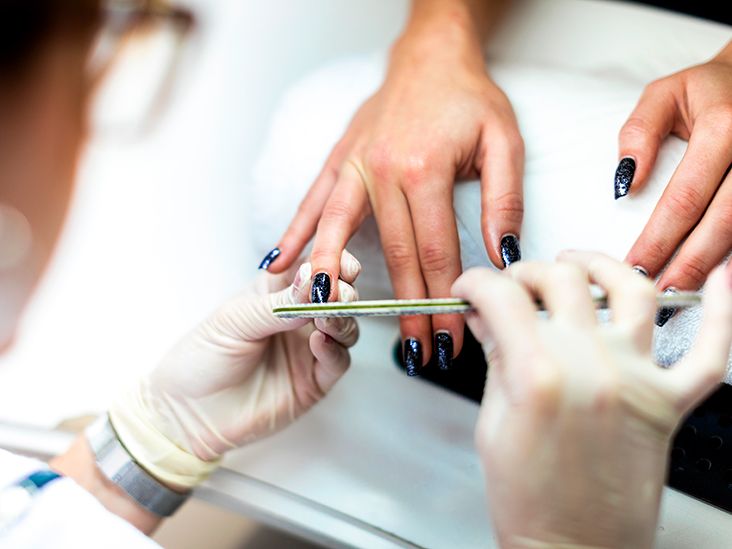

Pregnancy has a talent for turning ordinary decisions into miniature research projects. Suddenly, ordering lunch requires an ingredient audit, choosing a face cream feels like a chemistry exam, and booking a manicure raises the question: Can you get your nails done while pregnant without putting your baby at risk?
For most pregnant people, the reassuring answer is yes. An occasional manicure or pedicure is generally considered a low-risk activity when the salon is clean, the room is well ventilated, and products are used correctly. The bigger concerns involve repeated chemical exposure, strong fumes, damaged skin, poorly disinfected tools, allergic reactions, and ultraviolet light from gel-curing lamps.
In other words, pregnancy does not automatically cancel your appointment with the tiny bottle of “Blushing Bride.” It simply gives you a few extra reasons to choose your salon carefully and speak up about how the service is performed.
Can You Get Your Nails Done While Pregnant?
Yes, you can usually get a manicure or pedicure while pregnant. Standard nail services have not been shown to create a significant pregnancy risk when exposure is brief and occasional. Nail products sold in the United States are expected to be safe when used according to their directions, although some contain ingredients that could be harmful if swallowed, misused, inhaled in high concentrations, or handled every day without adequate protection.
The distinction between an occasional salon customer and a nail technician is important. A customer may be around nail chemicals for an hour every few weeks. A technician may handle solvents, glues, acrylic liquids, powders, removers, and disinfectants for many hours a day. Occupational exposure can therefore be much higher and deserves additional precautions.
Available research on nail salon workers is limited and sometimes inconsistent. Most studies have not clearly established that salon work causes miscarriage or birth defects, particularly when proper safety practices are followed. However, studies of high occupational exposure to certain solvents and formaldehyde have raised reproductive-health concerns. This is why ventilation and exposure reduction matter, even when a single manicure is unlikely to be a major event.
Evidence:
What Are the Possible Risks of Nail Salons During Pregnancy?
1. Breathing Chemical Fumes
Nail polish, polish remover, acrylic liquid, nail glue, primers, hardeners, and disinfectants can release vapors. Common nail-product ingredients may include acetone, ethyl acetate, methacrylate compounds, toluene, formaldehyde-related ingredients, and other solvents.
A brief whiff does not mean your baby has been harmed. Smell alone is also not a reliable measure of danger. Some relatively low-risk chemicals smell powerful, while certain hazardous exposures may not be easy to smell at all.
Still, strong fumes can trigger headaches, dizziness, throat irritation, watery eyes, nausea, or asthma symptoms. Pregnancy may also sharpen your sense of smell, meaning a salon that once smelled mildly “beauty-product-ish” can suddenly feel like a laboratory located inside a gasoline cloud.
Choose a salon with visible airflow, local exhaust systems at workstations, open doors or windows when appropriate, and no heavy chemical haze. If the odor makes you feel sick, lightheaded, short of breath, or unusually uncomfortable, leave and get fresh air.
2. Formaldehyde, Toluene, and Other Ingredients
Formaldehyde or formaldehyde-releasing ingredients may appear in certain nail hardeners and specialty products. Toluene has traditionally been used as a solvent, while dibutyl phthalate, or DBP, has been used to make polish more flexible. Many brands now advertise formulas as “3-free,” “5-free,” “10-free,” or even more-free-than-your-calendar-on-Sunday.
These labels may help you compare products, but they should not be treated as a perfect guarantee. Ingredient lists and marketing claims can vary, and products used only in professional settings may not always carry the same consumer-facing ingredient information as retail cosmetics.
For occasional nail services, exposure is expected to be much lower than the levels evaluated in studies of workers with frequent or prolonged contact. Nevertheless, choosing products without formaldehyde, toluene, and DBP is a reasonable precaution, especially when equally effective alternatives are available.
Evidence:
3. Infection From Tools, Foot Baths, or Cuticle Cutting
Infection may be a more practical concern than nail polish itself. Bacteria, fungi, and viruses can spread through improperly cleaned tools, contaminated foot baths, shared containers, or breaks in the skin.
Your cuticles form a protective seal between the nail and surrounding skin. Aggressively cutting or pushing them back can create tiny openings for germs. Ask the technician to leave your cuticles intact or gently manage only loose, dead skin without cutting living tissue.
Make sure reusable metal tools have been properly cleaned and disinfected between clients. Porous items such as wooden sticks, buffers, toe separators, and many nail files should be new or assigned only to you. Do not get a service over an open cut, blister, rash, ingrown nail, wart, or suspected fungal infection.
For a pedicure, consider a salon that uses disposable foot-bath liners or thoroughly cleans and disinfects its basin and jets between customers. A sparkling chandelier does not compensate for a suspiciously swampy foot spa.
Evidence:
4. UV Exposure From Gel Nail Lamps
Gel polish is hardened under a curing lamp. Although lamps are often described as either “UV” or “LED,” both types can emit ultraviolet radiation, primarily UVA. LED lamps generally cure polish faster and may produce lower exposure during each session, but “LED” does not mean completely UV-free.
This light is directed at your hands, not your uterus, so the concern is skin exposure rather than fetal exposure. The risk from an occasional gel manicure appears small, but frequent cumulative UVA exposure may contribute to premature skin aging and potentially increase skin-cancer risk.
Before a gel manicure, apply broad-spectrum, water-resistant sunscreen with SPF 30 or higher to the backs of your hands. Another option is wearing dark, opaque, fingerless manicure gloves. Apply sunscreen early enough to dry before the appointment, and avoid putting it directly on the nail plate because oily residue can interfere with polish adhesion.
Evidence:
5. Allergic Reactions and Nail Damage
Gel, acrylic, dip powder, and nail-glue products may contain acrylates or methacrylates that can cause contact dermatitis. Symptoms can include itching, redness, swelling, burning, fluid-filled bumps, peeling skin, or separation of the nail from the nail bed.
Pregnancy does not necessarily cause these allergies, but your skin may be more reactive or sensitive during this time. Once an acrylate allergy develops, future exposure can trigger another reaction. Product should therefore stay on the nail instead of touching the surrounding skin.
Repeated gel or dip removal can also thin, peel, or dry the nails. Never pick, pry, or aggressively drill off a coating. Your nails did not volunteer for demolition duty.
Are Different Types of Nail Services Safe During Pregnancy?
Traditional Manicures and Pedicures
A basic manicure or pedicure with regular polish is generally the simplest choice during pregnancy. Regular polish air-dries, so it does not require a curing lamp. Choose a well-ventilated area, avoid cuticle cutting, and confirm that the tools are clean.
Gel Manicures
Gel manicures are generally considered low risk for occasional customers, but they involve UVA exposure and usually require acetone for removal. Protect your hands from the lamp, avoid getting uncured gel on your skin, and take breaks between services if your nails become thin or brittle.
Acrylic Nails
Acrylic nail systems can produce stronger odors and involve liquid monomers, powders, primers, glues, and filing dust. Occasional use in a ventilated salon is unlikely to create a major pregnancy exposure, but you may prefer regular polish if fumes trigger nausea or headaches.
Avoid acrylic services if the skin around your nails is irritated or if a previous set caused itching, swelling, or lifting. Never allow an artificial nail to be applied over a discolored, painful, or possibly infected natural nail.
Dip Powder Nails
Dip manicures can be long-lasting, but communal powder jars may spread germs if multiple clients place their fingers directly into the same container. Ask the technician to sprinkle powder over each nail or pour a separate portion into a disposable cup.
Dip adhesives may also cause allergic reactions. Anyone with sensitive skin or a history of nail-product allergies may want to test one nail before committing all ten fingers to the experiment.
Evidence:
Press-On Nails
Press-on nails can reduce salon time and avoid curing lamps, but the glue may still irritate skin or trigger an allergy. Apply them in a ventilated space, keep glue away from skin, and do not use press-ons to conceal a nail infection.
Can You Get a Pedicure While Pregnant?
Yes, most pregnant people can get a pedicure. It may feel especially appealing when bending far enough to reach your toes has become an Olympic event.
The main precautions involve sanitation, positioning, skin condition, and comfort. Avoid pedicures if you have open sores, athlete’s foot, an infected ingrown toenail, unexplained redness, or severe swelling that has not been evaluated.
Gentle foot and lower-leg massage is usually comfortable during an uncomplicated pregnancy. Ask the technician to avoid painful pressure and stop if you experience cramping, dizziness, contractions, or discomfort. If you have a high-risk pregnancy, a history of blood clots, severe varicose veins, significant leg swelling, preeclampsia concerns, or medical restrictions, ask your prenatal clinician before receiving a leg massage.
Later in pregnancy, sitting upright for a long appointment may be uncomfortable. Request back support, change positions periodically, and take a short walking break if needed. Never remain in a position that makes you dizzy or short of breath.
How to Make a Manicure or Pedicure Safer During Pregnancy
Before Your Appointment
- Choose a licensed salon with good ventilation and visibly clean workstations.
- Book an appointment during a quieter time when fewer chemical services are happening nearby.
- Ask how reusable tools and pedicure basins are disinfected.
- Bring your own polish and personal nail tools if that makes you more comfortable.
- Eat a light meal and drink water before going, especially if pregnancy makes you prone to dizziness.
- Apply SPF 30 or higher to your hands before a gel manicure, or bring fingerless UV-protective gloves.
During the Service
- Ask the technician not to cut or aggressively push back your cuticles.
- Keep polish, gel, acrylic liquid, and glue off the surrounding skin.
- Do not let the technician shave calluses with a razor or blade.
- Request individual dip powder portions rather than using a shared dipping container.
- Move to a better-ventilated seat if fumes are strong.
- Stop the service if you feel dizzy, nauseated, short of breath, itchy, or unwell.
After the Service
- Wash your hands before eating.
- Moisturize the skin and cuticles to reduce dryness and cracking.
- Watch for redness, swelling, warmth, pus, increasing pain, blisters, or nail lifting.
- Remove polish and seek medical advice if signs of infection or a significant allergic reaction develop.
- Give damaged nails time to recover before scheduling another gel, acrylic, or dip service.
When Should You Skip the Nail Salon?
Postpone your appointment when you have a contagious nail condition, broken skin around the nails, a painful ingrown toenail, an active rash, or signs of bacterial or fungal infection. You should also leave or reschedule if the salon appears dirty, reuses disposable supplies, has visibly contaminated tools, or has overwhelming fumes.
Ask your obstetrician, midwife, dermatologist, or other qualified clinician for personalized advice if you have severe asthma, chemical sensitivities, recurrent skin allergies, a high-risk pregnancy, circulation problems, diabetes with foot complications, or immune-system concerns.
Seek prompt medical care for spreading redness, severe swelling, fever, drainage, red streaks, intense pain, breathing difficulty, facial swelling, or widespread hives.
What If You Work in a Nail Salon While Pregnant?
Pregnant nail technicians face a different situation from occasional clients because exposure can occur for entire shifts, day after day. Nail workers may inhale vapors and filing dust, absorb chemicals through their skin, or accidentally transfer residue to food and drinks.
Workplace safety measures may include effective local exhaust ventilation, tightly closed product containers, covered waste cans, appropriate gloves, regular handwashing, correct product storage, and access to safety data sheets. Eating and drinking should take place away from chemical work areas.
A paper, surgical, or charcoal mask does not reliably filter chemical vapors. Dust masks may reduce some filing particles but are not substitutes for ventilation. Any respirator required for chemical protection must be properly selected, fitted, and used through an appropriate workplace safety program.
Pregnant workers should discuss product exposure and job duties with their prenatal clinician, employer, or occupational safety professional. Temporary adjustments may be appropriate when a worker handles products containing reproductive hazards or experiences headaches, breathing symptoms, dermatitis, or significant nausea.
Evidence:
Frequently Asked Questions
Is It Safe to Get Your Nails Done in the First Trimester?
An occasional manicure or pedicure is generally considered low risk during the first trimester. Because early pregnancy is an important period of development, some people choose extra precautions, such as regular polish, shorter appointments, fragrance-free products, or waiting until later. These are personal comfort choices rather than universal medical requirements.
Is Acetone Safe During Pregnancy?
Small, occasional amounts of acetone used for nail-polish removal are not expected to create a significant pregnancy exposure. Use it in a ventilated space, avoid unnecessary skin soaking, and wash and moisturize your hands afterward. Frequent occupational use deserves stronger exposure controls.
Should I Use “Pregnancy-Safe” Nail Polish?
There is no single official category of pregnancy-safe nail polish. A “free-from” formula can be a practical preference, but good ventilation, correct use, clean tools, intact skin, and limited exposure are at least as important as the number printed before the word “free.”
Can Nail Polish Be Absorbed Through the Nail?
The nail plate acts as a barrier and limits absorption. Exposure can also occur through surrounding skin or by breathing vapors, particularly when products are used frequently. Keeping products off the skin and using them in a ventilated environment reduces exposure.
Do I Need to Remove Nail Polish Before Labor?
Policies vary among hospitals and surgical centers. Some facilities may ask patients to remove polish or artificial nails so clinicians can inspect nail color or use monitoring equipment effectively. Ask your hospital or prenatal care team before your due date, especially if a planned cesarean delivery is scheduled.
Pregnancy Nail Salon Experiences: What the Appointment May Actually Feel Like
The medical facts are useful, but a nail appointment during pregnancy is not experienced as a collection of ingredient lists. It is experienced as a chair, a smell, a growing belly, a bladder with ambitious scheduling needs, and the sudden realization that your toes now live in another zip code.
The First-Trimester Experience: When Every Smell Has a Personality
A common first-trimester experience is discovering that a familiar salon suddenly smells overwhelmingly strong. Someone who previously sat comfortably through an acrylic appointment may begin feeling nauseated the moment a bottle of remover is opened. This does not automatically indicate a dangerous exposure. Pregnancy-related smell sensitivity and nausea can make normal odors difficult to tolerate.
A practical approach is to book the first appointment of the day, choose regular polish, sit near an open doorway, and keep the service short. Bringing water and a small snack may help. The most important lesson is not to force yourself through the appointment. Leaving with five polished nails and five bare ones is still better than staying until you feel faint. Asymmetrical beauty is very editorial.
The Second-Trimester Experience: The Comfortable Window
For many people, the second trimester is the easiest time for a salon visit. Nausea may have improved, the belly may not yet make sitting extremely difficult, and a manicure can provide a pleasant sense of normalcy.
A typical low-stress visit might involve choosing a quiet, airy salon, requesting that the cuticles remain uncut, and using traditional polish. Someone choosing gel may arrive with sunscreen already applied to the backs of the hands or wear UV-protective manicure gloves. The appointment is not treated like a hazardous-material operation; it is simply approached with sensible precautions.
This is also a good time to pay attention to changing nails. Pregnancy can make nails grow faster for some people, while others notice splitting, softness, or brittleness. If the natural nails are already peeling, adding repeated gel removal or aggressive filing may make them look rougher rather than stronger.
The Third-Trimester Pedicure: Comfort Becomes the Main Event
Late-pregnancy pedicures often have less to do with glamorous nail art and more to do with accepting that reaching your own feet is no longer a reasonable project. A well-performed pedicure can feel relaxing, but comfort depends heavily on the chair and appointment length.
Someone at 35 weeks may need a pillow behind the lower back, a more upright position, and one or two bathroom breaks. Swollen feet may also feel more sensitive, so water should be comfortably warm rather than hot, and massage pressure should remain gentle. A professional technician will not act offended when asked to adjust the chair, skip an uncomfortable step, or stop pressing a tender area.
The sanitation details matter here. A customer may notice the technician opening a sealed tool pouch, using a new file, placing a disposable liner in the basin, and avoiding cuticle cutting. These small signs can make the experience much more reassuring than a decorative wall declaring, “Relax, You’re Beautiful.” Motivational typography is nice; properly disinfected tools are nicer.
The Gel-Regret Experience
Another common experience is not a pregnancy complication but simple nail damage. Someone gets back-to-back gel manicures because the shine lasts beautifully, then peels the final set off while watching television. The result is thin, rough nails that bend when opening a soda can.
The safer response is patience. Gel should be removed according to product instructions, usually with controlled acetone exposure rather than peeling or forceful scraping. After removal, moisturizing the nails and taking a break from durable coatings can help the damaged portion grow out. Regular polish may serve as a temporary alternative.
The Most Reassuring Experience: Being Willing to Speak Up
The best pregnancy salon experience often comes from asking straightforward questions without apologizing. “Please don’t cut my cuticles.” “Could we sit closer to the ventilation?” “Is that file new?” “Please pour the dip powder into a separate cup.” These are reasonable requests for any customer, pregnant or not.
A reputable technician should respect them. If a salon dismisses basic hygiene questions or pressures you into a service that feels uncomfortable, you are free to leave. Pregnancy already comes with enough unsolicited opinions. Your manicure does not need to contribute another one.
Conclusion
So, can you get your nails done while pregnant? In most cases, yes. An occasional manicure, pedicure, gel service, acrylic set, or dip manicure is unlikely to create a significant pregnancy risk when products are used correctly in a clean, well-ventilated salon.
Focus on the precautions that make the greatest practical difference: reduce strong fumes, avoid damaged skin, keep cuticles intact, confirm that tools are disinfected, prevent shared dip-powder contamination, protect your hands during gel curing, and leave if you feel unwell.
People who work in nail salons should take additional steps because repeated exposure is different from visiting occasionally. Pregnant technicians may benefit from workplace ventilation improvements, protective equipment, safer handling practices, and individualized guidance from prenatal and occupational-health professionals.
Ultimately, a manicure should leave you feeling polished, not panicked. Choose a careful salon, communicate your preferences, and enjoy the rare activity in which sitting still counts as being productive.