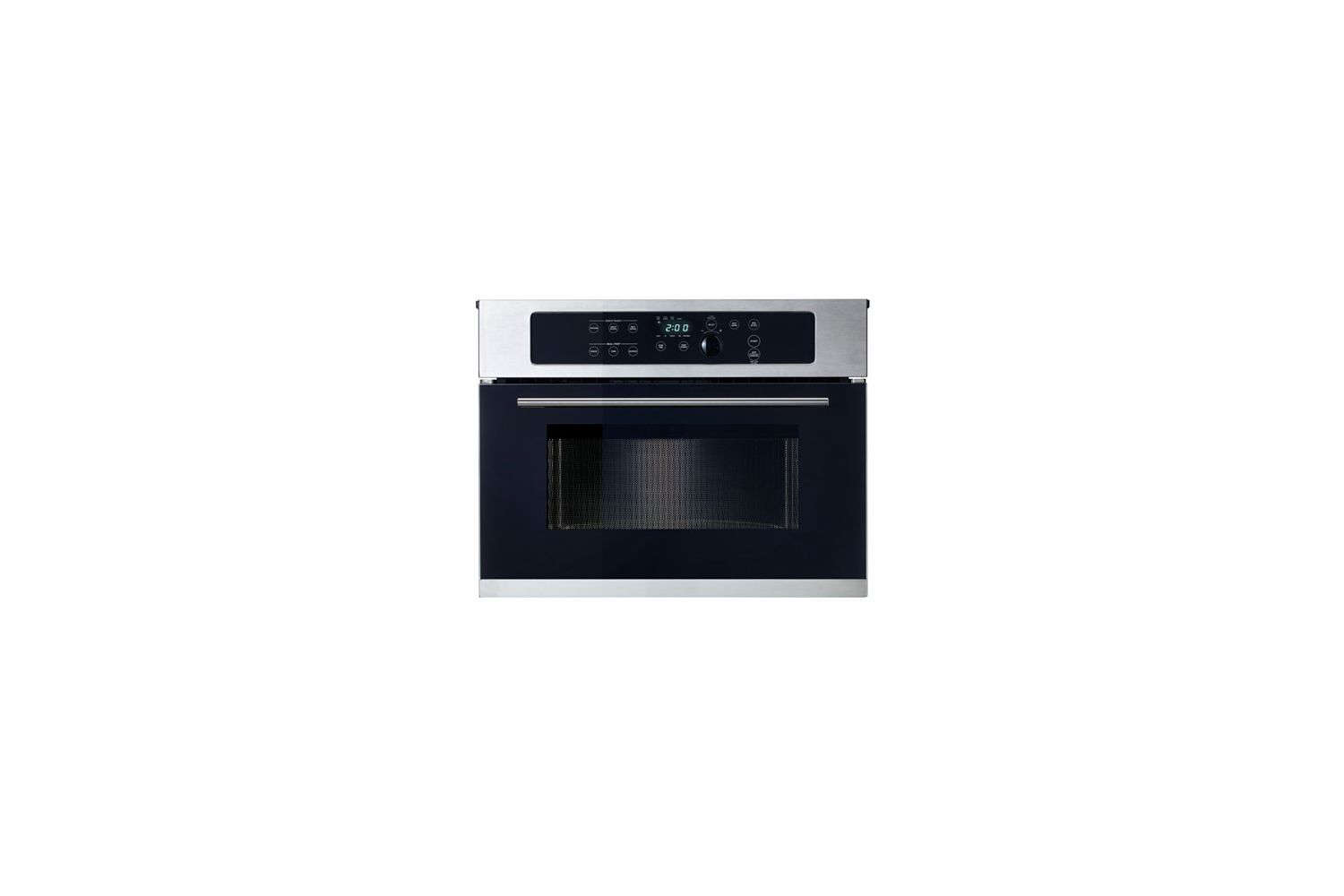

The Nutid SS Microwave Oven is one of those IKEA kitchen appliances that quietly earned a loyal following because it did what many homeowners wanted: it looked clean, saved counter space, and made weeknight food less dramatic. “SS” generally refers to the stainless steel finish, and in the case of the Nutid line, that finish was part of the larger IKEA strategy of making appliances blend smoothly with modern cabinets, ovens, cooktops, and compact kitchens.
Today, the Nutid SS Microwave Oven is best understood as an archived or discontinued IKEA built-in microwave model rather than a current mainstream product sitting on every store shelf. That does not make it irrelevant. In fact, it makes it more interesting. Homeowners still search for Nutid microwave specs, replacement parts, installation information, cleaning advice, and honest user-style impressions because these units remain installed in many kitchens. If you are buying a home with one already in place, replacing an old unit, comparing it with newer IKEA microwaves, or simply wondering whether it was a good appliance, this guide gives you the practical story without the showroom fog machine.
What Is the Nutid SS Microwave Oven?
The Nutid SS Microwave Oven was part of IKEA’s appliance family, designed to coordinate with IKEA kitchen cabinetry and other stainless steel appliances. Unlike a basic countertop microwave that sits wherever it can find an outlet and enough personal space, the Nutid built-in microwave was intended to live inside a cabinet or integrated kitchen layout. That gave it a cleaner, more custom look.
Archived product information for Nutid microwave models commonly shows a built-in stainless steel design with a 1.4-cubic-foot capacity, multiple power levels, an electronic timer, and automatic or quick-touch cooking functions. Some older catalog references list 800 watts, while other archived specifications mention 900 watts, so exact output can vary by model year and item number. The safest move is always to check the rating plate on the actual appliance, especially if you are ordering parts or matching a replacement.
In plain kitchen language, the Nutid SS Microwave Oven was made for people who wanted a microwave that did not scream, “I was bought at 10 p.m. after the old one died.” It was meant to look intentional. It fit the IKEA approach: functional, cabinet-friendly, and reasonably modern without trying to become a spaceship.
Design and Finish: Why Stainless Steel Still Works
Stainless steel remains popular because it plays nicely with almost every kitchen style. White cabinets? Stainless steel adds contrast. Dark cabinets? It looks sleek. Wood cabinets? It brings a little polish. The Nutid SS Microwave Oven leaned into this timeless finish, making it easier to pair with stainless ovens, refrigerators, dishwashers, and range hoods.
The built-in look is the real design advantage. A countertop microwave can be convenient, but it also eats valuable prep space. In smaller kitchens, that is not a tiny problem. That is the difference between chopping vegetables peacefully and balancing a cutting board on the edge of the sink like a contestant in a low-budget cooking show. By installing the microwave in a high cabinet or integrated wall space, the Nutid helped free up counter area and created a cleaner visual line.
Some Nutid microwave configurations were designed with a downward-opening door, which made the unit feel more like a compact wall oven. This style can be comfortable when installed at the right height, although it does require thoughtful placement. Too high, and removing soup becomes a trust exercise. Too low, and the door can feel awkward. Installed properly, however, the layout is practical and attractive.
Main Features of the Nutid SS Microwave Oven
Built-In Cabinet Installation
The biggest feature is not a button. It is the installation style. The Nutid SS Microwave Oven was designed to integrate into a cabinet setup, especially in kitchens using IKEA cabinetry. This made it appealing for remodels where homeowners wanted a clean, semi-custom look without hiring a luxury kitchen designer who says “bespoke” every three minutes.
Preset Cooking Functions
Nutid microwave models included convenient preset functions for everyday foods such as popcorn, baked potatoes, meal reheating, defrosting, and other common categories depending on the model. Presets are helpful because they remove some guesswork. Instead of staring at a frozen meal like it owes you money, you can select a program and let the microwave manage time and power more intelligently.
Multiple Power Levels
Multiple power levels matter more than many people realize. Full power is fine for boiling water or heating certain leftovers quickly, but gentler power settings help with defrosting, softening butter, warming sauces, and reheating foods that become rubbery when attacked with maximum energy. A microwave with several power levels gives you more control and better texture.
Turntable Cooking
Older Nutid listings and manuals reference turntable-based cooking. The turntable helps food rotate through the microwave energy field, improving heating consistency. It does not magically fix every cold spot, but it helps. For best results, users should still stir food, rotate dense items, and allow standing time after cooking.
Keep Warm Function
A keep-warm function is useful when dinner timing gets weird, which is to say, when dinner exists. It can hold cooked food briefly at a low power level after cooking. This is handy for plates, sides, or sauces, but it should not be treated as long-term food storage. Food safety still matters, even when the microwave looks confident.
Performance: What It Does Well
The Nutid SS Microwave Oven is best for everyday microwave jobs: reheating leftovers, warming beverages, defrosting ingredients, steaming vegetables, softening butter, cooking potatoes, and handling quick convenience meals. It was not designed to replace a full convection oven unless a specific model included advanced combination features. Most Nutid microwave discussions focus on practical reheating and built-in convenience rather than gourmet roasting.
For reheating, the combination of adjustable power and preset programs makes a noticeable difference. Pizza, soup, rice, pasta, and casseroles all benefit from lower or staged power rather than a single blast of heat. The best results usually come from covering food loosely, venting steam, stirring midway, and allowing a short rest. That final rest time lets heat distribute more evenly, which helps avoid the classic microwave experience: lava edge, refrigerator center.
For defrosting, the Nutid performs like a typical midrange built-in microwave. Thin, separated pieces defrost more evenly than thick blocks. Ground meat, fish fillets, bread, and poultry pieces should be checked during the cycle, separated when possible, and cooked promptly after thawing. The microwave can help, but it cannot repeal physics.
Installation Considerations Before Buying or Replacing One
If you already have a Nutid SS Microwave Oven installed, replacement is not as simple as buying a random microwave with a similar color. Built-in microwaves depend on cutout dimensions, trim kits, ventilation requirements, electrical specifications, and door clearance. A half-inch mismatch can turn a simple upgrade into an afternoon of regret.
Before replacing a Nutid microwave, measure the cabinet opening carefully. Check the width, height, depth, trim size, and surrounding clearances. Also inspect whether the unit is installed above another oven, inside a tall cabinet, or near a cooktop. Built-in appliances need proper airflow. A microwave squeezed into a cabinet without the right clearance can overheat, perform poorly, or wear out sooner.
It is also smart to locate the item number and model information from the appliance label. Nutid models changed over time, and item numbers such as older stainless steel versions may not match newer IKEA microwave lines. When ordering parts, searching manuals, or asking a technician for help, the model number is more reliable than the name “Nutid,” which was used across several IKEA appliances.
Cleaning and Maintenance Tips
Stainless steel looks beautiful until fingerprints arrive, and fingerprints always arrive. To keep the exterior clean, use a soft cloth and wipe with the grain of the stainless steel. Avoid steel wool, gritty pads, harsh abrasive powders, and aggressive cleaners that can scratch or dull the finish. Mild soap and water are often enough for regular cleaning.
Inside the microwave, steam is your friend. Place a microwave-safe bowl of water inside and heat it until steam loosens splatters. Let it sit briefly, then wipe the interior with a soft cloth. For stubborn odors, water with lemon slices or a small amount of vinegar can help freshen the cavity. Do not spray strong chemical cleaners directly into vents, seams, or control areas.
Clean spills promptly, especially sauces and sugary foods. Microwave splatters become harder to remove after repeated heating. A loose microwave-safe cover prevents messes and helps food heat more evenly. Think of it as a tiny umbrella for your leftovers.
Safety Tips for Using the Nutid SS Microwave Oven
The Nutid SS Microwave Oven should be used like any well-maintained microwave: with microwave-safe containers, proper venting, and attention to damaged parts. Do not use regular paper bags, metal cookware, foil-heavy containers, or dishes with metallic trim unless the manual specifically allows a certain use. Metal can spark, damage the appliance, or create a small indoor fireworks show that nobody asked for.
Use containers labeled microwave-safe. Glass and ceramic are often good choices, but decorative metallic rims are not. Plastic should only be used if it is marked microwave-safe, and even then, avoid overheating fatty or sugary foods under tight plastic wrap. Steam needs somewhere to go, so vent covers and lids.
If the door, hinges, latch, or seal appear damaged, stop using the microwave until it is checked. A microwave in good condition is designed to operate safely, but damaged doors or seals deserve immediate attention. Also, do not run the unit empty. Microwaves are built to heat food or liquid, not the lonely atmosphere inside the cavity.
Pros and Cons of the Nutid SS Microwave Oven
Pros
The biggest advantage is the built-in appearance. It helps a kitchen feel finished and organized. The stainless steel finish pairs well with other appliances, and the cabinet installation can free valuable counter space. Preset cooking options, multiple power levels, and a turntable make it practical for normal household use. For IKEA kitchen owners, the Nutid also made sense because it was designed with IKEA layouts in mind.
Cons
The main drawback is availability. Since Nutid microwave models are no longer widely sold as current IKEA products, replacement can be tricky. Parts may require model-specific research, and a newer microwave may not fit the same opening without adjustments. Another limitation is that many Nutid models were standard microwaves, not advanced convection or air-fry combination units. If you want browning, crisping, or full oven-style cooking, a newer combo microwave may suit you better.
How the Nutid Compares With Newer Microwaves
Newer microwaves often offer sleeker controls, sensor cooking, convection modes, air-fry functions, quieter operation, and improved energy standards. Some current models also come with better interior coatings that are easier to wipe clean. Compared with those appliances, the Nutid SS Microwave Oven feels more traditional.
That said, traditional is not always bad. Many homeowners simply need a microwave that reheats coffee, handles leftovers, defrosts chicken, and does not ruin the kitchen design. For that job, a working Nutid can still be useful. The question is not whether it has every modern feature. The question is whether it fits your kitchen, works reliably, and meets your cooking habits.
Who Is the Nutid SS Microwave Oven Best For?
The Nutid SS Microwave Oven is best for homeowners who already have one installed, buyers evaluating a home with an IKEA kitchen, or renovators trying to replace an older built-in unit without changing the entire cabinet layout. It is also a good topic for anyone researching IKEA appliance history or comparing older built-in microwaves with newer stainless steel models.
It is less ideal for someone starting from scratch and wanting the latest cooking technology. In that case, it makes sense to compare current built-in microwave ovens, over-the-range models, and microwave-convection combinations. A newer model may offer better support, easier parts availability, and more cooking features.
Buying Advice: What to Check Before You Commit
If you find a used Nutid SS Microwave Oven for sale, inspect it carefully. Check that the door opens and closes smoothly, the control panel responds, the turntable rotates, the interior light works, and the unit heats a cup of water properly. Look for rust, burn marks, damaged seals, missing trim pieces, and unusual noises. A bargain microwave is only a bargain if it does not immediately become a decorative cabinet brick.
Ask for the exact model number and item number. Confirm whether the trim kit is included. Without the correct trim, a built-in microwave can look unfinished or may not ventilate as intended. Also consider the cost of professional installation. Built-in appliances are not always a plug-and-play adventure, especially when cabinetry or electrical access is involved.
Real-World Experience: Living With a Nutid SS Microwave Oven
Using a Nutid SS Microwave Oven in daily life feels different from using a countertop microwave mainly because it becomes part of the kitchen architecture. Instead of taking up a corner of the counter, it sits in the cabinet line, which immediately makes the kitchen feel calmer. That may sound dramatic for an appliance that mostly reheats soup, but anyone who has fought for counter space in a small kitchen understands the emotional value of one less bulky box on the work surface.
The stainless steel finish gives the appliance a grown-up look. It does collect fingerprints, especially around the handle and control area, but a quick wipe usually brings it back. In a busy household, the outside may need attention every few days. The good news is that stainless steel hides age better than many glossy plastic finishes. Even older Nutid units can still look presentable when cleaned properly.
The built-in height matters a lot. When installed around chest level, the Nutid is comfortable for reheating plates and checking food. You can see inside without bending like you are searching for a lost contact lens. However, if it is installed too high, removing hot bowls becomes less comfortable. That is especially true for liquids, which should always be handled carefully. The best installation feels natural: high enough to save space, low enough to remove food safely.
In everyday cooking, the Nutid is most useful for routine tasks. Morning oatmeal, reheated coffee, softened butter, steamed vegetables, baked potatoes, and leftover pasta are all easy wins. The preset buttons are convenient when you do not want to think too hard. The popcorn setting is useful, but like most microwave popcorn settings, it still rewards supervision. Listening for the pops to slow down is better than trusting any button with blind faith. Popcorn has ambition, and sometimes that ambition turns into smoke.
Reheating leftovers works best when users treat the microwave as a tool, not a magic box. A plate of rice or pasta should be covered and stirred. Soup should be heated in stages. Pizza may warm through, but it will not regain oven-crisp glory unless paired with a skillet or toaster oven afterward. The Nutid does well with moisture-friendly foods and less well with anything that depends on crisp texture. That is normal for a standard microwave.
Cleaning is manageable as long as spills are not ignored. The most annoying messes come from tomato sauce, cheese, oatmeal, and butter explosions. A simple cover prevents most disasters. When splatters happen, steaming the interior before wiping makes the job much easier. The turntable should be removed and washed regularly, especially if food spills underneath it. A dirty turntable track can create noise or uneven rotation.
For long-term ownership, the main experience is practicality mixed with caution about replacement. While the Nutid can be a reliable part of an IKEA kitchen, its discontinued status means owners should keep the manual, model number, trim information, and installation measurements handy. If it fails, finding an exact match may take more effort than replacing a standard countertop microwave. Still, when it is working well, it offers a clean built-in appearance and dependable everyday convenience. It is not flashy, but it is usefuland in a kitchen, useful wins more often than flashy.
Conclusion
The Nutid SS Microwave Oven represents a smart chapter in IKEA kitchen design: stainless steel style, built-in convenience, useful presets, and a layout that helps reclaim counter space. It is not the newest appliance on the market, and shoppers should be careful about model numbers, installation dimensions, trim kits, and parts availability. But for homeowners with an existing Nutid or anyone evaluating an IKEA kitchen, it remains a practical and attractive microwave worth understanding.
If you already own one, maintain it well, clean it gently, and use microwave-safe cookware. If you are replacing one, measure twice, check the model label, and compare current built-in options before buying. The Nutid SS Microwave Oven may not be a futuristic cooking robot, but it does the quiet kitchen work that matters: heating, defrosting, reheating, and making leftovers feel like a plan.
Note: Always verify the exact model number and installation requirements on your appliance label or manual before ordering parts, replacing a built-in unit, or publishing product-specific specifications.
SEO Tags