
Fresh year, fresh desk, fresh coffee, fresh excuses to reorganize the same drawer again. Welcome to 2014, a year when design lovers wanted less clutter, better objects, smarter homes, richer coffee, softer neutrals, and just enough Radiant Orchid to make beige nervous.
The Mood of 2014: A Fresh Start With Better Lighting
Every new year arrives carrying the same charming promise: this is the year we become organized, thoughtful, hydrated, well-rested adults who never lose receipts. In 2014, that promise came wrapped in a very specific lifestyle mood. The obsession was not simply about buying new things. It was about editing, refining, and choosing objects with purpose.
The phrase “Current Obsessions: Welcome 2014” captures that January feeling perfectly. It suggests a cultural reset: clean the desk, clear the inbox, sharpen the pencils, buy less, make more, and maybe finally stop using the dining table as a mail sorting facility. The early 2010s had already pushed design toward minimalism, handmade goods, and more intentional living. By 2014, those ideas felt less like niche preferences and more like a full-blown lifestyle operating system.
People wanted homes that worked harder without looking busy. They wanted bags that looked timeless, lamps made from beautiful materials, coffee shops that resembled tiny architecture studios, and kitchens that could host dinner without trapping the cook in culinary exile. In short, 2014 was not obsessed with more. It was obsessed with better.
Design Obsession #1: Buy Less, Make More
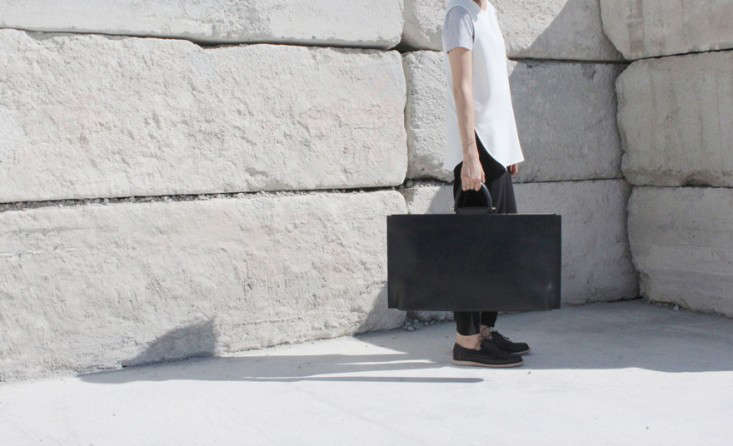
The most useful resolution of 2014 may have been “buy less, make more.” It sounds simple, but it represented a real shift. After years of fast consumption and post-recession caution, shoppers became more interested in quality, craft, and origin stories. A bag was not just a bag; it was vegetable-tanned leather, clean geometry, and a quiet flex that said, “I alphabetize my notebooks.”
This was the era when small-batch makers, independent studios, Etsy sellers, local workshops, and DIY culture gained serious momentum. The maker movement encouraged people to think of themselves not just as consumers, but as creators. You could pickle vegetables, print parts, build furniture, sew linen napkins, or at least convincingly pin all of those ideas to a board titled “Weekend Projects.”
Why It Worked
The appeal was emotional as much as practical. Handmade and well-designed objects gave people a sense of participation. A simple lamp, a leather portfolio, a handmade bowl, or a neatly folded stack of tea towels could make daily life feel considered. The joke, of course, is that “simple living” often requires 37 decisions about which simple object is simple enough. But the direction was healthy: fewer random purchases, more thoughtful choices.
Design Obsession #2: The Clean Desk Fantasy
Few dreams are more seductive than a clean desk. In January, it feels possible. By February, it is usually buried under charging cables, tax documents, three pens that do not work, and a mug that has emotionally moved in. But in 2014, the clean desk became a symbol of a cleaner life.
The obsession with organization was not just about tidiness. It reflected a growing desire for mental clarity. Work had become more digital, more mobile, and more distracting. A clear workspace promised control in a world of buzzing phones and endless browser tabs. People embraced trays, folders, wall grids, notebooks, and desktop accessories that made productivity look photogenic.
The best version of this trend was not sterile. It allowed room for personality: a handmade ceramic cup for pencils, a small plant, a task lamp, a notebook with good paper, and perhaps one decorative object that says, “I am cultured, but not impossible at parties.” The goal was not perfection. The goal was a space that invited focus.
Home Design in 2014: Open, Neutral, and Sneakily Practical
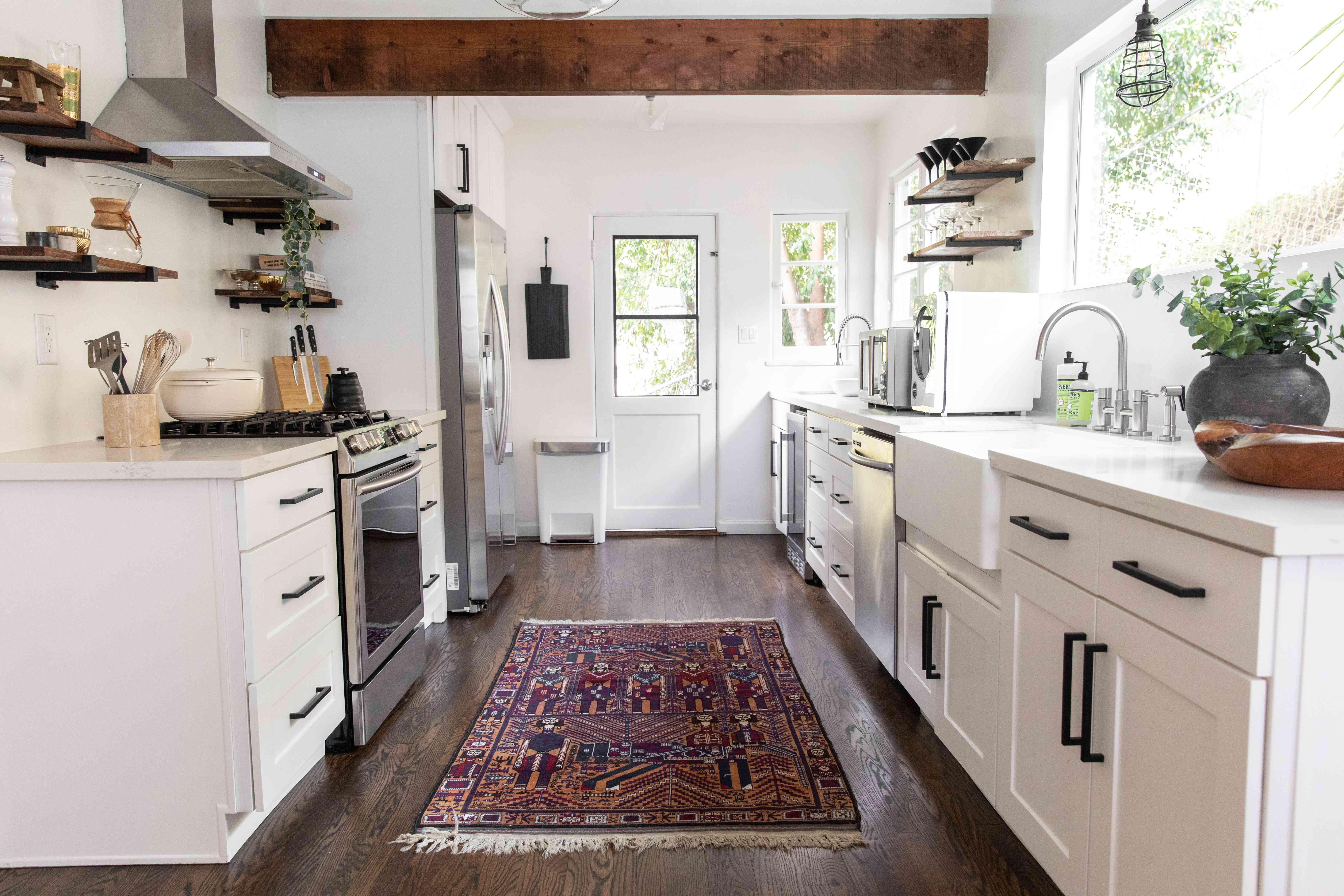
In American home design, 2014 continued several trends that had been building for years. Open-concept kitchens kept gaining popularity, largely because people wanted cooking, dining, and entertaining to happen in one connected space. The kitchen was no longer a hidden workroom. It had become the social engine of the home.
Appliances also began blending more quietly into interiors. Drawer microwaves, paneled refrigerators, hidden storage, and streamlined cabinetry helped kitchens feel less like appliance showrooms and more like living spaces. This was design’s polite way of saying, “Yes, we own a dishwasher, but must it announce itself?”
Neutral Colors Took the Lead
Neutral palettes dominated the period: whites, grays, sandy tones, pale woods, and soft blacks. Bright color did not disappear, but it often showed up as an accent rather than the main event. Think throw pillows, backsplash tile, art, flowers, or a chair that wanted attention but not a podcast.
Universal Design Became More Mainstream
Another important shift was the growing awareness of universal design. Features such as barrier-free showers, lever handles, wider pathways, first-floor primary suites, and accessible drawer appliances were not only practical for aging homeowners. They also made homes more comfortable for everyone. The best universal design does not shout, “This is practical!” It simply makes daily life easier.
The Color Everyone Talked About: Radiant Orchid
Every year needs a color with main-character energy, and 2014 had Radiant Orchid. Pantone’s Color of the Year sat somewhere between purple, pink, and fuchsia. It was cheerful, theatrical, and slightly dangerous around people who fear color. In fashion and beauty, it made sense immediately. On lips, nails, scarves, dresses, and accessories, Radiant Orchid had a confident glow.
In interiors, however, it required restraint. A full Radiant Orchid room could feel like being trapped inside a glamorous smoothie. Used carefully, though, it was excellent: a velvet pillow, a floral arrangement, a lacquered tray, a patterned rug, or a single piece of art. It paired well with gray, cream, olive, navy, brass, and natural wood.
The lesson from Radiant Orchid still holds up: trend colors are best treated like seasoning. A little can wake up the whole room. Too much and suddenly the sofa is asking for a record deal.
Fashion Obsession: Normcore and the Rise of Looking Normal on Purpose
One of 2014’s most memorable style ideas was normcore: the art of dressing ordinary in a way that somehow became extraordinary. Sneakers, plain jeans, fleece, baseball caps, basic tees, windbreakers, and practical layers became fashion conversation pieces. The look suggested that trying too hard was out, or at least that trying hard to look like you were not trying hard was in.
Normcore was funny because it blurred the line between fashion statement and laundry day. It borrowed from tourists, dads, tech workers, mall walkers, and 1990s casualwear. But beneath the joke was a real cultural point. After years of hyper-curated personal branding, people were tired. Ordinary clothes felt like a reset button.
The influence extended beyond fashion. In home design, beauty, and branding, there was a similar move toward simplicity: cleaner lines, fewer logos, more comfort, and a preference for useful things that did not scream for attention. Normcore may have started as a style conversation, but it reflected a broader craving for ease.
Coffee Shops Became Design Destinations
In 2014, coffee was no longer just coffee. It was origin, process, grind size, brew method, counter material, ceramic cup weight, and whether the barista looked like they could explain fermentation with emotional intensity. Modern coffee shops became some of the most influential interiors of the era.
The best cafés combined pale wood, white tile, concrete floors, slim counters, tablet-based registers, simple menus, and retail shelves stocked with beans and brewing tools. Many spaces felt gallery-like, but still warm enough to make customers believe they were about to become productive.
Third-Wave Coffee Meets Interior Design
Third-wave coffee emphasized quality, traceability, and craft. The interiors followed the same logic. If the coffee was carefully sourced, the space needed to feel equally intentional. A good café became a mood board for modern living: clean surfaces, natural textures, wildflowers, good typography, and lighting that made everyone’s laptop look expensive.
Food Obsessions: Avocado Toast, Gourmet Doughnuts, and Other Delicious Evidence
The food world in 2014 had a strong sense of play. Avocado toast continued its climb from simple breakfast to cultural symbol. Gourmet doughnuts became a canvas for wild flavors. Korean flavors, fermented foods, vegetables, oysters, craft cocktails, and hybrid desserts all had their moment. It was a year when food trends seemed to ask, “What if brunch had a design department?”
What made these obsessions stick was their mix of comfort and novelty. A doughnut was familiar, but suddenly it could be filled, glazed, torched, salted, stacked, or photographed from above with suspicious seriousness. Toast was humble, but avocado gave it richness, color, and enough personality to become a lifestyle icon.
These food trends also matched the broader 2014 mood. People wanted experiences, not just products. A beautiful coffee, a small-batch pastry, a locally sourced lunch, or a clever menu item felt like a tiny event. The plate became another place to express taste.
Small-Space Living and the Beauty of Editing
Another 2014 obsession was the idea of living well with less space. Micro-apartments, modular storage, compact furniture, and Japanese-inspired simplicity gained attention because urban living demanded smarter solutions. People were not just asking, “How much can I fit?” They were asking, “How little do I actually need?”
Small-space design rewarded discipline. Every object needed a role. Furniture had to multitask. Storage had to disappear. Light mattered. So did proportion. A tiny apartment could feel elegant if it was edited carefully, but chaotic if every surface became a parking lot for “temporary” items.
This is where 2014’s best design lessons still feel relevant. Editing does not mean living without beauty. It means choosing beauty with intention. A small room can hold art, books, plants, textiles, and personality. It simply cannot hold every impulse purchase from every emotionally confusing Tuesday.
How to Bring the “Welcome 2014” Mood Home Today
The charming thing about 2014’s obsessions is that many of them still work. They were not all flash-in-the-pan trends. Clean lines, useful objects, thoughtful storage, good coffee, handmade details, neutral foundations, and small hits of color remain strong design principles.
1. Start With One Surface
Do not reorganize your entire life in one afternoon. That way lies chaos, donation bags, and a mysterious pile labeled “decide later.” Start with one desk, shelf, nightstand, or kitchen counter. Clear it, clean it, and return only what is useful or genuinely loved.
2. Upgrade Daily Objects
Choose one everyday object and make it better. A lamp with softer light. A bag that lasts. A ceramic mug that makes morning coffee feel civilized. A notebook that does not fall apart after three ambitious lists. Small upgrades can improve daily rituals more than dramatic makeovers.
3. Use Color Like a Wink
Keep the foundation calm if that suits your home, then add color through flexible pieces. Pillows, flowers, art, books, towels, and tableware are easy to change. Radiant Orchid may not be everyone’s lifelong companion, but the principle is timeless: accents let your rooms flirt with trends without marrying them.
4. Make Something
The “make more” idea is still powerful. Cook a new recipe, repair a chair, frame a print, plant herbs, sew a button, build a shelf, or learn a craft. Making things changes the way you value things. It also gives you a new respect for anyone who can cut a straight line.
Experiences Inspired by “Current Obsessions: Welcome 2014”
The most memorable way to understand the “Welcome 2014” mindset is to live it for a weekend. Imagine starting on a Saturday morning with the heroic intention of clearing your desk. At first, it seems simple. Then you discover old receipts, expired coupons, a charger for a device you no longer own, and a notebook containing one sentence: “Big ideas.” No further explanation. Very mysterious. Possibly genius.
The experience quickly becomes less about cleaning and more about decision-making. What deserves to stay? What has been kept only because it once looked important? What object actually helps your life? This is where the 2014 obsession with editing becomes useful. You begin to notice that clutter is often delayed thinking. Once you make the decisions, the room feels lighter.
After the desk comes the coffee ritual. Instead of drinking coffee while standing over the sink like a stressed raccoon, you make it slowly. You grind the beans, heat the water, choose a real cup, and sit down. Suddenly the day has a better rhythm. This was one of the great lifestyle lessons of the era: ordinary rituals can feel luxurious when they are treated with care.
Then comes the home edit. Maybe you move a lamp to a better corner. Maybe you replace a harsh bulb with a warmer one. Maybe you gather all the random objects on a shelf and realize that three good pieces look better than seventeen nervous ones. A small vase, a stack of books, and one sculptural object can do more than an army of decorative clutter. The room starts breathing again.
Cooking fits naturally into the experience. A simple lunchtoast with avocado, lemon, salt, and chili flakesfeels very 2014 in the best way. It is easy, colorful, and slightly smug, but delicious enough to justify itself. Add a salad, a strong coffee, and a homemade dessert if ambition strikes. If the dessert fails, call it rustic. This is a time-honored strategy.
By Sunday, the “buy less, make more” idea becomes more personal. You may repair something small, repot a plant, label pantry jars, or finally hang the print that has leaned against the wall for six months pretending to be a design choice. These little actions create momentum. None of them are dramatic, but together they change the atmosphere of a home.
The real experience of “Current Obsessions: Welcome 2014” is not nostalgia for a single year. It is the pleasure of paying attention. It is noticing the objects you touch every day, the spaces that support or drain you, the rituals that make time feel less rushed, and the difference between owning something and actually using it. Trends come and go, but attention ages beautifully.
Conclusion: Why the 2014 Obsessions Still Matter
“Current Obsessions: Welcome 2014” remains appealing because it captures a moment when design, lifestyle, food, fashion, and work culture all leaned toward intention. The best ideas from that year were not about chasing novelty. They were about living better with fewer, smarter, more meaningful choices.
The clean desk, the handmade object, the modern coffee shop, the open kitchen, the neutral room, the tiny hit of Radiant Orchid, the normcore sneaker, the avocado toast, and the weekend DIY project all point toward the same desire: make everyday life feel more considered. Not perfect. Not expensive. Not staged for imaginary magazine inspectors. Just more thoughtful, more useful, and more human.
So welcome 2014, even from the future. We kept the best parts: the craft, the clarity, the coffee, and the belief that a new year is a perfectly reasonable excuse to reorganize a drawer for the fourth time.
SEO Tags