
A Mediterranean-style diet has been praised for years as the eating pattern that somehow makes vegetables feel less like homework and more like vacation food. Olive oil, beans, fish, herbs, whole grains, colorful produce, and a little less “drive-thru archaeology” on the platewhat’s not to like? But beyond its sunny reputation for heart health, growing research suggests this flexible way of eating may also be linked to a lower risk of chronic kidney disease, often shortened to CKD.
That matters because the kidneys are quiet workers. They filter waste, balance fluids, help regulate blood pressure, and manage minerals in the blood. They do not usually send dramatic calendar invites when trouble begins. Chronic kidney disease can develop slowly, and many people do not notice symptoms early. By the time fatigue, swelling, appetite changes, or abnormal lab results appear, kidney function may already be reduced.
The good news is that everyday habitsespecially blood pressure control, diabetes management, physical activity, and dietcan influence kidney health. A Mediterranean-style diet is not a magic shield, and it is not a substitute for medical care. Still, it offers a realistic, flavorful framework that supports many of the same goals kidney specialists talk about: less sodium, better blood vessel health, improved blood sugar control, healthier weight, and lower inflammation.
What Is a Mediterranean-style Diet?
A Mediterranean-style diet is inspired by traditional eating patterns found in countries around the Mediterranean Sea, but it is not one rigid menu. You do not need to live in Greece, own linen pants, or pronounce “extra-virgin olive oil” with dramatic flair. The heart of the pattern is simple: eat more minimally processed plant foods and choose healthier fats more often.
Typical Mediterranean-style meals include vegetables, fruits, beans, lentils, peas, whole grains, nuts, seeds, herbs, spices, olive oil, fish, and modest portions of poultry, eggs, and dairy. Red meat, processed meat, refined grains, sugary foods, and heavily processed snacks are limited rather than treated as daily staples.
Core Foods in the Pattern
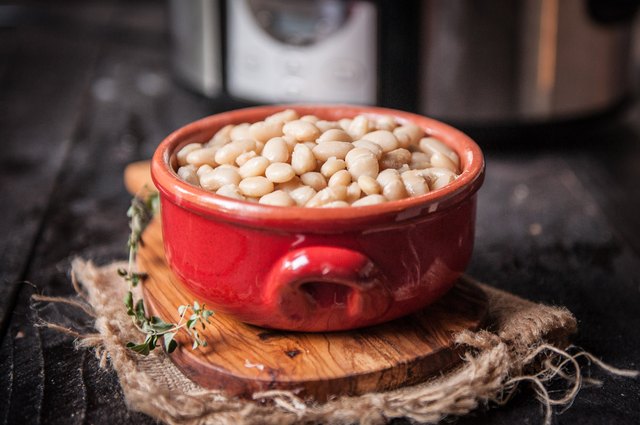
The foundation includes leafy greens, tomatoes, peppers, zucchini, berries, apples, citrus, chickpeas, lentils, black beans, oats, brown rice, quinoa, whole-grain bread, walnuts, almonds, olive oil, salmon, sardines, tuna, and herbs such as basil, oregano, parsley, rosemary, garlic, and thyme. In other words, the flavor does not have to come from salt alone. Herbs and spices get promoted from “tiny jars in the back of the cabinet” to full-time kitchen employees.
This matters for kidney health because high sodium intake can raise blood pressure, and high blood pressure is one of the major drivers of CKD. A Mediterranean-style diet often uses herbs, lemon, vinegar, garlic, onion, and olive oil to create flavor while reducing dependence on salty sauces, processed meats, packaged soups, and fast food.
How the Mediterranean-style Diet May Support Kidney Health
Research has linked higher adherence to Mediterranean-style eating with lower odds of developing chronic kidney disease and slower kidney function decline in some populations. One well-known study reported that dietary patterns closely resembling the Mediterranean diet were associated with a substantially lower risk of CKD and rapid kidney function decline. Later reviews have also found that stronger adherence to Mediterranean diet scoring systems is associated with reduced CKD risk, though researchers continue to study how the effect varies by population, disease stage, and existing medical conditions.
The possible explanation is not one superhero nutrient wearing a cape. It is the total pattern. Kidney health is affected by blood pressure, blood sugar, cholesterol, inflammation, oxidative stress, body weight, and vascular function. The Mediterranean-style diet touches several of these pathways at once.
1. Better Blood Pressure Control
High blood pressure damages tiny blood vessels in the kidneys over time. Mediterranean-style eating may support healthier blood pressure by emphasizing fruits, vegetables, legumes, whole grains, fish, nuts, and olive oil while limiting sodium-heavy processed foods. Many of these foods provide fiber, magnesium, potassium, polyphenols, and unsaturated fats, which are linked to better cardiovascular health.
For people who already have CKD, however, potassium needs are personal. Some people with kidney disease must limit high-potassium foods depending on their lab results and stage of disease. That is why “eat more plants” should become “eat the right plants in the right portions for your kidneys.” A registered dietitian can help make the pattern safe and practical.
2. Improved Blood Sugar Stability
Diabetes is a leading cause of chronic kidney disease. A Mediterranean-style diet can help support steadier blood sugar because it focuses on high-fiber foods, healthy fats, and balanced meals rather than refined carbohydrates alone. A meal built around lentils, vegetables, olive oil, and fish generally behaves differently in the body than a meal made mostly of white bread, sweet drinks, and dessert pretending to be breakfast.
Fiber slows digestion, supports gut health, and can help reduce blood sugar spikes. Beans, oats, vegetables, nuts, and seeds are especially useful, though portion sizes may need adjustment for people with advanced kidney disease due to phosphorus or potassium concerns.
3. Less Inflammation and Oxidative Stress
Chronic inflammation is connected with many long-term diseases, including heart disease, diabetes, and kidney damage. The Mediterranean-style diet is rich in antioxidants and anti-inflammatory compounds from colorful produce, extra-virgin olive oil, nuts, herbs, and seafood. These foods may help reduce oxidative stress, which is a fancy way of saying the body has too many reactive molecules running around like toddlers with markers.
Extra-virgin olive oil contains monounsaturated fats and plant compounds that support heart and metabolic health. Fatty fish provides omega-3 fats. Berries, leafy greens, tomatoes, peppers, and herbs bring polyphenols and vitamins. Together, the pattern may create a healthier internal environment for blood vessels, including the delicate vessels that feed the kidneys.
4. Healthier Weight Management
Excess body weight can increase the risk of high blood pressure, insulin resistance, type 2 diabetes, and kidney stress. The Mediterranean-style diet is not a crash diet. In fact, it is refreshingly uninterested in punishing people with sad desk salads. Instead, it encourages satisfying meals built from whole foods, fiber, protein, and healthy fat.
That combination can improve fullness and make it easier to reduce ultra-processed foods, sugary snacks, and oversized portions. When people can actually enjoy what they eat, they are more likely to stick with it. Consistency beats perfection, especially when perfection usually quits by Wednesday.
Mediterranean Diet and CKD: Important Safety Notes
Here is where the story needs a careful turn. A Mediterranean-style diet may be linked to lower CKD risk in the general population, but people who already have chronic kidney disease should not copy a generic Mediterranean meal plan without considering their labs and treatment plan.
Kidney-friendly eating depends on kidney function, blood potassium, blood phosphorus, blood pressure, diabetes status, medications, urine protein levels, dialysis status, and overall nutrition. In early CKD, many people may benefit from more vegetables, lower sodium, healthier fats, and less processed food. In later CKD or dialysis, nutrition needs can change significantly.
Potassium: Helpful for Some, Risky for Others
Many Mediterranean foods are naturally rich in potassium, including tomatoes, potatoes, spinach, oranges, beans, lentils, nuts, and some whole grains. For people with normal kidney function, potassium from whole foods is usually part of a healthy diet. For some people with CKD, potassium can build up in the blood and become dangerous.
This does not mean all Mediterranean foods are off the table. It means the plate may need editing. Lower-potassium choices such as berries, apples, grapes, cabbage, cauliflower, cucumbers, peppers, onions, rice, pasta, and certain portion-controlled legumes may fit better for some patients. The best answer comes from blood tests, not internet guesswork wearing a lab coat.
Phosphorus: Watch the Source
Phosphorus is another nutrient that may need attention in CKD. Nuts, seeds, beans, dairy, whole grains, and processed foods can contribute phosphorus. However, phosphorus additives in packaged foods are often absorbed more readily than naturally occurring phosphorus in whole plant foods. Reading ingredient labels for words containing “phos” can be useful.
A kidney dietitian can help balance the benefits of fiber-rich plant foods with phosphorus management. The goal is not to make food joyless. The goal is to keep the kidneys, bones, blood vessels, and dinner table all on speaking terms.
Protein: Quality and Quantity Matter
Mediterranean-style eating tends to shift protein away from large portions of red and processed meat and toward fish, poultry, beans, lentils, yogurt, eggs, and smaller portions of cheese. For kidney health, this can be beneficial because processed meats are often high in sodium and additives. However, total protein needs vary.
Some non-dialysis CKD patients may be advised to moderate protein intake. Dialysis patients often need more protein because dialysis removes some amino acids and increases nutritional demands. This is why the same “healthy meal” can be right for one person and wrong for another. Kidney nutrition is personal, not one-size-fits-all.
Practical Mediterranean-style Meals for Kidney-conscious Eating
A kidney-conscious Mediterranean-style diet does not require imported ingredients or complicated recipes. Start with familiar meals and upgrade the pattern.
Breakfast Ideas
Try oatmeal topped with blueberries, cinnamon, and a small spoonful of chopped nuts if your potassium and phosphorus levels allow. Another option is whole-grain toast with olive oil, sliced cucumber, and an egg. Greek yogurt with berries can work for some people, but dairy portions may need adjustment depending on phosphorus goals.
Lunch Ideas
A Mediterranean-inspired lunch might be a salad bowl with greens, cucumbers, bell peppers, grilled chicken, olive oil, lemon juice, and a small portion of chickpeas. If potassium is a concern, choose lower-potassium vegetables and keep beans portion-controlled. Another easy meal is tuna with olive oil, herbs, chopped celery, and whole-grain crackers or rice cakes, depending on your diet plan.
Dinner Ideas
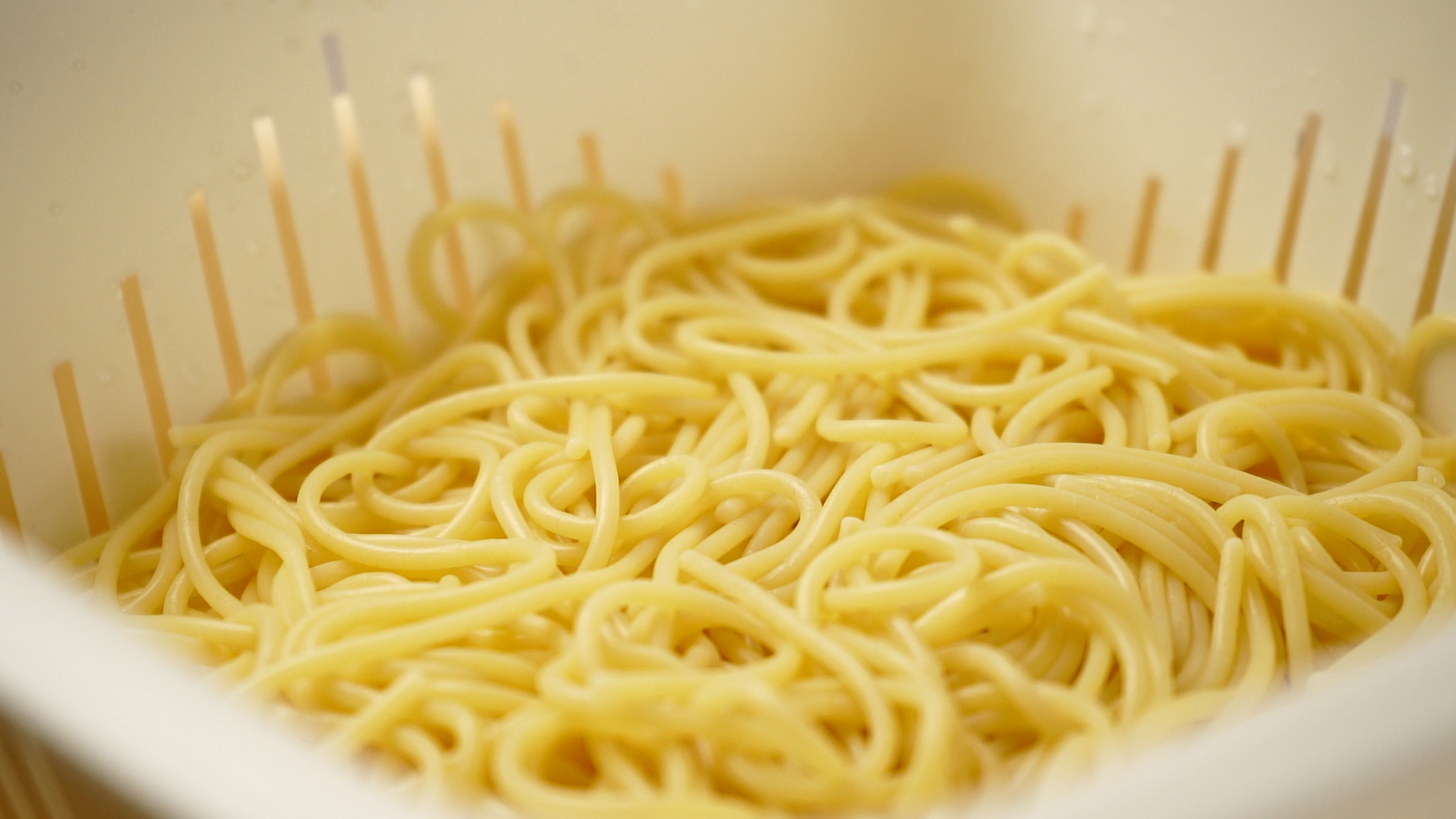
For dinner, consider baked fish with lemon, garlic, parsley, and olive oil served with rice and roasted cauliflower. Or make a turkey and vegetable skillet with herbs instead of a salty seasoning packet. Pasta can also fit: toss it with olive oil, garlic, grilled vegetables, and a modest amount of parmesan if allowed. The key is building flavor without turning the sodium dial to “ocean water.”
Snack Ideas
Simple snacks include apple slices, grapes, berries, unsalted crackers, hummus in a kidney-appropriate portion, cucumber with yogurt dip, or homemade popcorn without heavy salt. Snacks should match personal needs, especially for people managing diabetes, potassium, phosphorus, or fluid restrictions.
What to Limit for Better Kidney Protection
The Mediterranean-style diet is powerful partly because of what it includes and partly because of what it pushes to the edges of the plate. Foods to limit include processed meats, fast food, salty frozen meals, canned soups, chips, sugary drinks, pastries, refined grains, and large portions of red meat.
Processed meats deserve special attention. Bacon, sausage, hot dogs, deli meats, and pepperoni often contain high sodium and phosphate additives. They may be convenient, but they are not doing your kidneys any favors. Think of them as occasional guests, not roommates.
Sugary drinks are another smart target. Soda, sweet tea, energy drinks, and heavily sweetened coffee drinks can add a surprising amount of sugar without much fullness. Replacing them with water, sparkling water, or unsweetened tea can support weight, blood sugar, and kidney health. People on fluid restriction should follow their clinician’s guidance.
How to Start Without Overhauling Your Life
The easiest way to begin is not to announce a grand transformation and buy seventeen ingredients you cannot identify. Start with one meal. Replace butter with olive oil in cooking. Add one vegetable to lunch. Swap processed meat for grilled chicken, tuna, beans, or eggs. Choose fruit instead of a packaged dessert a few times a week. Use herbs and lemon before reaching for the salt shaker.
Small changes become powerful when repeated. A Mediterranean-style diet is not a 10-day challenge; it is a long-term pattern. If your dinner looks slightly more colorful this week than last week, that is progress. If your pantry has more beans and fewer neon-orange snack dust explosions, also progress.
Who Should Talk to a Doctor or Dietitian First?
Anyone with known chronic kidney disease, diabetes, heart failure, high blood pressure, a history of high potassium, kidney stones, dialysis treatment, transplant history, or major medication changes should talk with a healthcare professional before making big dietary shifts. This is especially important if you plan to increase beans, lentils, nuts, seeds, tomatoes, leafy greens, or whole grains.
A registered dietitian, especially one experienced in kidney disease, can turn general advice into a personal plan. They can help answer practical questions: How much protein is right? Which vegetables fit my potassium level? Is whole grain bread okay? Can I eat beans? How much sodium should I aim for? Can I still enjoy pizza without my kidneys filing a complaint?
The Bigger Picture: Diet Works Best With Other Habits
A Mediterranean-style diet is one piece of kidney protection. It works best alongside regular blood pressure checks, blood sugar management, physical activity, sleep, not smoking, appropriate medication use, and routine lab testing. Kidney disease prevention is not about one heroic salad. It is about building a lifestyle that quietly supports the body day after day.
Physical activity improves blood pressure, insulin sensitivity, weight control, and cardiovascular health. Sleep affects hormones and metabolic health. Not smoking protects blood vessels. Taking prescribed medications correctly can slow kidney damage in people with high blood pressure, diabetes, or protein in the urine. Food is powerful, but it works as part of a team.
Experience-based Insights: Living With the Mediterranean-style Shift
Many people hear “Mediterranean diet” and imagine a perfect table beside the sea, where every tomato is sun-kissed and every fish has a backstory. Real life is less cinematic. Real life is standing in a grocery aisle after work, trying to decide whether dinner will be nourishing or whether cereal is about to become a lifestyle. The good news is that Mediterranean-style eating can survive real life.
One of the most useful experiences people report is that the diet feels less restrictive than many health plans. Instead of focusing on what must disappear, it adds better options. Add olive oil. Add herbs. Add vegetables. Add beans in the right portions. Add fish once or twice a week if you enjoy it. Add fruit for dessert. This “add before subtract” strategy makes change feel less like punishment and more like upgrading the operating system.
Another practical experience is learning that flavor does not require a mountain of salt. At first, reducing sodium can feel like someone turned down the volume on food. But taste buds adapt. Lemon juice, vinegar, roasted garlic, smoked paprika, black pepper, rosemary, parsley, basil, onion, and olive oil can bring food back to life. After a few weeks, heavily processed foods may start tasting aggressively salty, like they are yelling at your tongue.
Meal preparation also becomes easier when you build repeatable templates. A Mediterranean-style kidney-conscious plate might include one protein, one grain or starch, two vegetables, and a flavorful fat or sauce. For example: grilled fish, rice, cucumber salad, roasted cauliflower, and olive oil with lemon. Or chicken, pasta, peppers, zucchini, and garlic-herb oil. Or eggs, toast, fruit, and a side of vegetables. Templates reduce decision fatigue, which is important because most people do not want to solve a nutrition puzzle every night at 7:14 p.m.
People managing kidney concerns often find that personalization is the difference between success and confusion. A general Mediterranean meal plan may include tomatoes, spinach, lentils, nuts, and whole grains. Those foods can be excellent for many people, but not always ideal for someone who needs potassium or phosphorus control. This is where lab-guided planning helps. Instead of abandoning the Mediterranean approach, you adjust it. Use lower-potassium vegetables. Choose smaller bean portions. Pick unsalted options. Balance plant foods with your medical needs. The pattern bends; it does not break.
Budget is another real-world issue. Mediterranean-style eating can sound expensive if it is presented as wild salmon, imported olive oil, and boutique olives with a passport. But it can also be affordable. Canned low-sodium tuna, frozen vegetables, rice, oats, eggs, cabbage, apples, carrots, onions, store-brand olive oil, and dried herbs can form the base of many meals. Frozen produce is not a nutritional defeat. It is often picked at peak ripeness and waits patiently in the freezer like a responsible adult.
Social situations require flexibility. At restaurants, choose grilled fish or chicken, ask for sauces on the side, pick vegetables or salad, and watch salty soups, cured meats, and giant cheese portions. At family meals, bring a dish you can enjoy, such as a cucumber salad, roasted vegetables, fruit bowl, or herb chicken. A long-term eating pattern should fit birthdays, holidays, and busy weeks. If it collapses the moment someone offers cake, it was too fragile.
The biggest lesson is that kidney-conscious Mediterranean eating is not about perfection. It is about direction. More whole foods. Less sodium. Better fats. More fiber when appropriate. Smarter protein choices. Fewer ultra-processed meals. More meals that make your doctor nod and your taste buds stay awake. Over months and years, these steady choices may help protect the kidneys while also supporting the heart, blood sugar, and overall energy.
Conclusion
A Mediterranean-style diet is linked to a lower risk of chronic kidney disease in several studies, likely because it supports many systems that influence kidney health: blood pressure, blood sugar, inflammation, cholesterol, weight, and vascular function. It emphasizes vegetables, fruits, legumes, whole grains, olive oil, fish, herbs, and minimally processed foods while limiting sodium-heavy and highly processed choices.
For people without kidney disease, this pattern can be a smart way to eat for long-term prevention. For people already living with CKD, it can still be usefulbut it must be personalized. Potassium, phosphorus, protein, sodium, and fluid needs can vary widely. The safest version is one designed with a healthcare provider or renal dietitian.
The best part? Mediterranean-style eating does not ask you to live on bland food or become a professional kale influencer. It asks you to build meals that are colorful, satisfying, and kind to your blood vessels and kidneys. That is a health plan with flavorand frankly, dinner deserves nothing less.
Note: This article is for educational publishing purposes only and should not replace medical advice. People with chronic kidney disease, high potassium, diabetes, dialysis treatment, or kidney-related lab abnormalities should consult a physician or renal dietitian before making major diet changes.