
For decades, military energy sounded about as glamorous as a warehouse full of diesel drums. Necessary? Absolutely. Exciting? Only if you are the person who gets emotional about backup generators. But the U.S. Air Force has been changing that story. Solar power, microgrids, batteries, and even space-based power beaming have moved from “interesting lab idea” to “serious national security conversation.”
The phrase “The Air Force could power military bases with solar power by 2025” does not mean every runway, hangar, dorm, radar site, and coffee machine on every base magically became solar-powered overnight. That would be a headline with a cape, not a plan. What it does mean is more practical and more fascinating: by 2025, the Air Force expected to demonstrate key technologies that could help deliver solar energy to remote military locations, reduce dependence on fuel convoys, and make installations more resilient when the commercial grid goes down.
That matters because electricity is not just a utility bill for the military. It is mission fuel. Bases need power for command centers, communications, maintenance shops, medical facilities, security systems, airfield operations, housing, data networks, and increasingly, electric vehicles and advanced sensors. When power fails, readiness can wobble. Solar power is not a magic shield, but paired with storage, microgrids, and smart controls, it can become part of a stronger energy backbone.
Why the Air Force Is So Interested in Solar Power
The Air Force has a special relationship with energy: it uses a lot of it. Aircraft fuel dominates operational energy discussions, but installation electricity is also a big deal. A modern Air Force base is basically a small city with a runway, aircraft maintenance operations, high-security facilities, and mission-critical systems that do not get to take a nap when the power company has a bad day.
Solar power offers three big advantages. First, it can reduce long-term electricity costs, especially in sunny regions such as Nevada, Arizona, California, New Mexico, Texas, and Florida. Second, it can diversify the energy supply, making a base less dependent on a single outside grid connection. Third, when connected to batteries and microgrid controls, solar can support critical operations during outages.
The Air Force has already proved that solar is not just decorative technology bolted onto a roof for a press release. Nellis Air Force Base in Nevada became an early symbol of military solar power, with a large photovoltaic array that helped lower emissions and save money. Vandenberg Space Force Base, formerly Vandenberg Air Force Base, later added a large solar project designed to consume the generated power on site. Eglin Air Force Base has also used photovoltaic systems as part of a broader energy-assurance effort.
The 2025 Angle: Space-Based Solar Power and AFRL’s Arachne
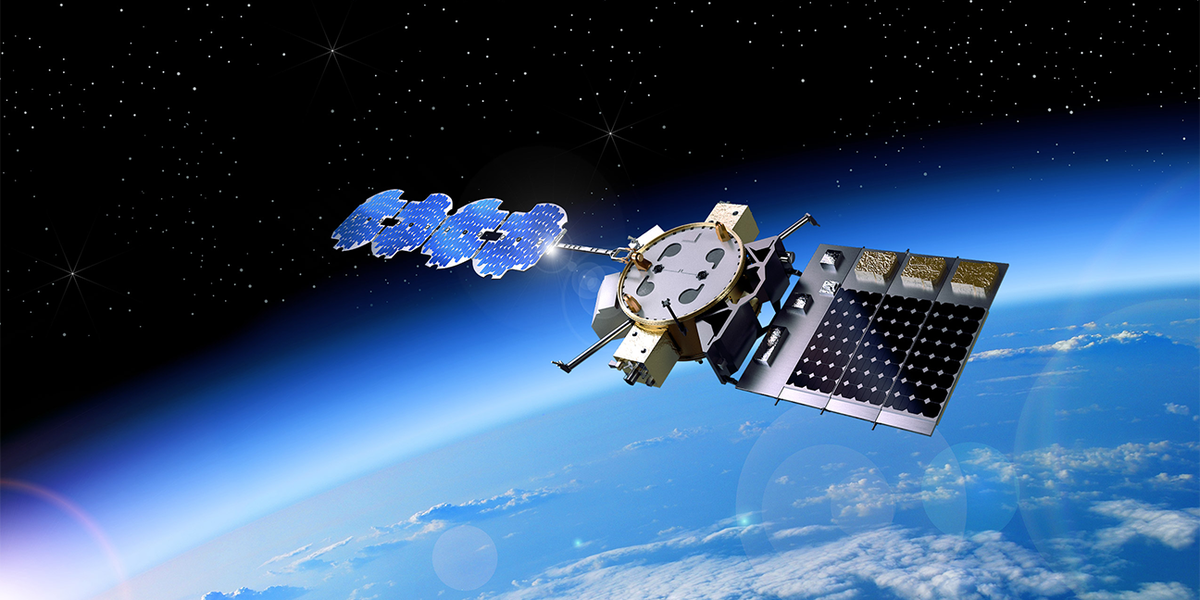
The most futuristic part of the story is not ground-mounted solar panels. It is the Air Force Research Laboratory’s Space Solar Power Incremental Demonstrations and Research project, usually shortened to SSPIDR. The goal is bold: collect solar energy in space, convert it into radio frequency energy, beam it down to Earth, and convert it into usable electricity at a receiving station.
At the center of this effort is Arachne, a flight experiment designed to test crucial pieces of a space-based solar power system. The idea is not to launch a giant space power station overnight. Instead, Arachne is meant to prove building-block technologies, especially the “sandwich tile,” which combines photovoltaic solar collection with radio frequency conversion and beamforming hardware.
In simple terms, one side of the tile collects sunlight. The other side helps turn that energy into a beam. Think of it as a solar panel and a transmitter having a very serious engineering baby. In laboratory demonstrations, AFRL and Northrop Grumman showed that components of the tile could convert simulated sunlight into radio frequency energy. That was a milestone because it connected several steps of the energy chain in one experimental architecture.
The military attraction is obvious. Remote forward operating bases often rely on fuel deliveries. In conflict zones, fuel convoys can be expensive, slow, and dangerous. If future forces could receive power from space-based solar systems, they might reduce some of that logistical burden. Fewer fuel trucks can mean fewer vulnerable routes, fewer personnel exposed to convoy risks, and more flexibility for commanders.
Solar Power on Military Bases Is Already Real
Space power beaming gets the science-fiction spotlight, but ground solar is the workhorse already earning its keep. Across U.S. military installations, solar projects have been used to cut electricity costs, meet renewable-energy goals, and improve resilience. The Department of Defense set a broad goal years ago to deploy gigawatts of renewable energy across Army, Navy, and Air Force installations by 2025, including solar, wind, biomass, and geothermal power.
Davis-Monthan Air Force Base in Arizona became one of the best-known examples of solar deployment on Air Force property. The region’s abundant sunshine makes it a natural fit, and large photovoltaic arrays can make good use of underutilized land. Nellis is another landmark case, showing that a base can host a large solar system without turning the flight line into a science fair. Vandenberg’s solar array further demonstrated how behind-the-meter solar can serve installation demand directly.
These projects matter because they show solar power can work within the practical limitations of a military base. Installations are not blank fields waiting for panels. They have flight paths, radar considerations, security zones, environmental rules, maintenance needs, mission requirements, and utility interconnection constraints. A project that succeeds on base has usually survived a long obstacle course of engineering, legal, environmental, and mission-impact reviews.
Microgrids: The Missing Ingredient
Solar panels alone do not guarantee resilience. The sun does not report for duty at night, clouds can interfere with output, and standard grid-connected solar systems often shut down during outages unless designed to operate independently. That is where microgrids come in.
A microgrid is a local energy system that can connect to the main grid during normal operations and separate, or “island,” during a disruption. A military microgrid may include solar panels, battery energy storage, backup generators, switching equipment, control software, and cybersecurity protections. The goal is to keep the most important loads powered when outside electricity is unavailable.
For the Air Force, this is a practical mission-readiness tool. A base does not necessarily need every building powered during an outage. It needs the right buildings powered: command facilities, emergency services, communications, security systems, fuel operations, maintenance functions, and other mission-essential loads. Smart microgrids help prioritize those loads instead of treating the base like one giant light switch.
Why Solar Plus Storage Beats Solar Alone
Batteries make solar more useful. Without storage, solar energy must be used as it is produced or sent to the grid. With storage, excess daytime power can be saved for evening demand, outage support, or peak-load management. For military installations, batteries also provide fast response, helping stabilize power quality and bridge the gap between grid loss and backup generation.
The best future systems will likely be hybrid systems. Solar can lower fuel use and operating costs. Batteries can provide immediate power and grid services. Generators can offer long-duration backup when conditions are harsh or demand is high. Advanced controls can decide which source to use, when to charge, when to discharge, and which facilities matter most. In other words, the future base energy system may look less like a single power cord and more like an orchestra with a very strict conductor.
The Security Case: Energy Resilience Is Mission Assurance
Energy resilience is not just about being green. It is about being ready. The Air Force increasingly treats installations as power-projection platforms. If a base cannot operate, aircraft cannot launch, maintainers cannot maintain, commanders cannot command, and communications can get messy fast.
Extreme weather has added urgency. Hurricanes, wildfires, heat waves, floods, and ice storms can disrupt power systems. Cyber threats create another layer of risk. A base that depends entirely on commercial power without robust backup has a vulnerability. Solar microgrids cannot solve every threat, but they can make the energy system harder to knock out and faster to recover.
That is why military energy planning has shifted from simple conservation toward resilience. Saving electricity still matters, but the bigger question is: can the mission continue when something goes wrong? A solar-equipped, battery-supported, microgrid-managed base has more options than a base waiting for the utility truck to arrive.
The Hard Part: Solar Power Is Not Plug-and-Play
Solar energy sounds simple: put panels in the sun, enjoy electrons, celebrate with a responsible amount of coffee. Real projects are much harder. Military bases must consider land availability, glare near flight operations, environmental impacts, cybersecurity, utility agreements, financing, maintenance, and mission compatibility.
There is also the question of scale. A small rooftop system can offset a building’s consumption. A large ground array can offset a meaningful share of base electricity. But powering mission-critical operations through long outages requires storage, controls, and careful load analysis. Solar is powerful, but it is not a silver bullet wearing aviator sunglasses.
Space-based solar power faces an even steeper climb. It requires lightweight space structures, efficient conversion, accurate beam control, safe receiving systems, affordable launch, orbital assembly concepts, thermal management, and regulatory confidence. Arachne-style demonstrations are important because they test pieces of that puzzle before anyone tries to build the giant version.
What “By 2025” Really Means
The phrase “by 2025” should be understood as a technology-demonstration timeline, not a universal deployment promise. AFRL’s Arachne experiment was described as a step toward demonstrating space-based solar power transmission capabilities. That does not mean military bases were expected to flip a switch in 2025 and run entirely on power beamed from orbit.
Instead, 2025 represented a milestone year for proving whether key technologies could work outside the lab. If successful, those demonstrations would support larger prototypes, more advanced testing, and eventually operational concepts. Military technology often develops this way: first a component, then a subsystem, then a demonstration, then a larger integrated system, and only after that, fielded capability.
Ground-based solar followed a similar path. Early projects proved cost savings and technical feasibility. Later projects added larger arrays, batteries, and microgrid controls. The next generation will focus on cyber-secure, mission-aligned energy systems that can operate under stress. In that sense, the Air Force’s solar future is not one project. It is a layered strategy.
Specific Examples That Show the Trend
Nellis Air Force Base
Nellis helped put military solar power on the map. Its large solar array showed that an Air Force installation could host a major photovoltaic project and benefit from reduced electricity costs and emissions. Because Nevada has excellent solar resources, Nellis became a natural example of how location can turn sunlight into strategic value.
Vandenberg Space Force Base
Vandenberg’s solar project demonstrated the value of behind-the-meter generation. Instead of simply producing electricity somewhere else on the grid, the system was designed to serve installation energy demand directly. That kind of setup can help bases manage costs and improve local energy planning.
Eglin Air Force Base
Eglin’s solar farms are part of a wider energy assurance approach. The lesson is important: solar works best when it is integrated into a complete plan that also includes efficiency, resilience, contracting strategy, and mission priorities.
Air National Guard Microgrid Projects
Air National Guard installations have also explored solar and microgrid systems. These projects show that renewable energy is not only for huge active-duty bases. Smaller installations can benefit from solar generation, storage, and energy management tools when designed around local needs.
What This Means for the Future of Military Energy
The Air Force’s solar push is part of a bigger shift in defense energy thinking. The old model was simple: buy power from the grid, keep diesel generators around, and hope outages are short. The emerging model is more flexible: generate some power on site, store some of it, manage critical loads intelligently, test outage readiness, and explore advanced technologies such as power beaming and microreactors.
Solar power fits into that future because it is modular, increasingly affordable, and deployable at many scales. A small solar kit can support communications equipment. A rooftop system can offset building loads. A large solar farm can serve a base. A solar microgrid can keep critical missions alive during outages. A future space-based solar system could, in theory, support remote forces where fuel delivery is risky or impossible.
The Air Force is not chasing solar power because it wants to look trendy. It is chasing energy options because modern military operations depend on reliable power. In that world, electrons are not just electrons. They are readiness, security, flexibility, and sometimes, survival.
Experience-Based Reflections: What Solar-Powered Bases Teach Us
Anyone who has watched a large organization adopt new technology knows the pattern. First, people get excited. Then the spreadsheets arrive. Then the lawyers arrive. Then someone asks whether the new system can survive hail, hackers, budget cycles, and a lieutenant with a clipboard. Military solar power has gone through that same reality check.
The most useful lesson is that energy projects succeed when they solve real problems. Solar panels installed only for public relations rarely become transformational. Solar panels tied to mission needs, cost savings, outage resilience, and long-term planning are different. They become infrastructure, not decoration.
A base energy manager looking at solar has to think like a strategist. Where is the best land? Which loads are critical? What happens during a three-day outage? Which facilities must never lose power? How much battery storage is enough? Can the system operate safely if the outside grid fails? Who maintains the equipment? What happens when the mission changes? These questions are not glamorous, but they separate a serious resilience project from an expensive science project.
Another experience from the solar industry is that operations and maintenance matter more than people expect. A solar array is not a toaster. Dust, storms, vegetation, inverter performance, wiring, cybersecurity, and monitoring all matter. On a military base, maintenance planning must fit security rules and mission tempo. The system has to work on boring Tuesdays, not just during ribbon-cutting ceremonies with shiny scissors.
The human side matters too. Civil engineers, utility partners, commanders, contracting officers, environmental specialists, cybersecurity teams, and mission owners all need to understand the purpose of the project. When everyone sees solar as part of mission assurance, adoption becomes easier. When people see it as an unrelated sustainability checkbox, it becomes harder.
There is also a cultural shift. For years, backup power meant diesel generators. They are familiar, rugged, and still important. But fuel-based backup has limits. Fuel must be delivered, stored, protected, and replenished. Solar plus storage does not eliminate generators, but it can reduce runtime, stretch fuel supplies, and give commanders more options. In a crisis, options are wonderful things. They are like extra socks on a wet hike: not flashy, but suddenly priceless.
The Air Force’s work with space-based solar power adds one more lesson: big breakthroughs usually begin with small demonstrations. A sandwich tile in a lab does not power a base. But it proves a conversion step. A one-meter panel does not replace a power plant. But it proves scaling logic. A flight experiment does not transform military logistics overnight. But it can show whether the physics, engineering, and operations are worth pursuing.
That is the realistic way to read the 2025 milestone. It is not a finish line; it is a checkpoint. Ground solar, microgrids, batteries, energy-as-a-service contracts, and space-power experiments all point toward a future where bases are more self-reliant and less fragile. The Air Force does not need one perfect energy source. It needs a smarter mix. Solar power is becoming one of the most useful tools in that mix.
So, could the Air Force power military bases with solar power by 2025? In the narrow sense of fully replacing all conventional power everywhere, no. In the more accurate sense of demonstrating technologies and deploying solar systems that move bases toward cleaner, more resilient, mission-ready energy, yes. The future did not arrive as one giant solar panel descending from orbit. It arrived in pieces: arrays in the desert, batteries in containers, microgrid controls in secure rooms, and experimental tiles pointing toward a much bigger idea.
Conclusion
The Air Force’s solar power journey is not just an environmental story. It is a readiness story. From large photovoltaic arrays at installations to solar-plus-storage microgrids and AFRL’s ambitious space-based power-beaming research, the service is exploring ways to make military energy cleaner, tougher, and more flexible.
The 2025 milestone should be understood carefully. It was not a promise that every Air Force base would run entirely on solar power. It was a sign that solar technology had become important enough for serious military experimentation, including the possibility of beaming power from space to remote forces. That is a big leap from ordinary base electricity planning, and it shows how energy is becoming a strategic asset.
In the years ahead, the winning formula will likely be practical rather than flashy: ground solar where it makes economic sense, batteries where resilience matters, microgrids for mission-critical loads, smart contracts for financing, and advanced research for future operations. The Air Force may not be turning every base into a solar-powered fortress overnight, but it is clearly moving toward a future where sunlight is part of the mission plan. Not bad for a resource that shows up every morning without needing a fuel convoy.
SEO Tags
Note: This article is written for web publication in standard American English and is based on publicly available information about Air Force solar projects, military microgrids, energy resilience programs, and AFRL space-based solar power research.