
There are sentences nobody expects to say about their own body. “I need a ride” is normal. “I forgot my charger” is modern life. But “my dialysis machine is doing my kidneys’ job” is a sentence that lands with a thud. It is clinical, terrifying, weirdly futuristic, and somehow still very ordinary for the people living it every day.
That is the strange truth about dialysis: it is both extraordinary technology and brutally practical routine. It can keep a person alive when their kidneys can no longer remove waste, balance fluids, and help control minerals and blood pressure. It is also a schedule, a set of tubes, a chair, a bag of supplies, a strict eye on what you drink, and an intimate relationship with a machine you never once asked to meet.
And yet, for all its beeping, buzzing, and bossy time demands, dialysis is not a villain. It is not a cure, either. It is the middle chapter. It is the “for now.” It is the bridge between kidney failure and whatever comes next, whether that is transplant, long-term treatment, or simply another day made possible.
When Your Kidneys Quietly Resign From the Job
Healthy kidneys are overachievers. They filter waste from the blood, remove extra fluid, help regulate electrolytes like potassium and sodium, support blood pressure control, and contribute to red blood cell production and bone health. Most people do not spend much time admiring their kidneys, which is classic human behavior. We ignore our best employees until they stop showing up.
Kidney disease often develops slowly. Diabetes and high blood pressure are two of the biggest reasons kidneys lose function over time. Early on, there may be few obvious symptoms. That is part of the problem. Chronic kidney disease can creep along quietly while a person feels “mostly fine,” or at least fine enough to keep postponing checkups and promising themselves they will drink more water next Monday.
When kidney function drops severely, the body usually starts filing complaints. Fatigue can become a constant companion. Swelling in the feet and ankles may show up. Nausea, poor appetite, muscle cramps, itching, sleep trouble, shortness of breath, and mental fog can all become part of the picture. Some people notice they urinate less. Others feel like their entire body has become a badly managed waiting room.
That is when the conversation shifts from “How do we protect the kidneys?” to “How do we replace enough of what they do to keep you stable?” And that is where dialysis enters, not as science fiction, but as standard medicine.
What Dialysis Actually Does
Dialysis is a treatment that removes waste products and extra fluid from the body when the kidneys can no longer do so well enough on their own. It is kidney replacement therapy, but only in the partial sense. A real kidney works around the clock, quietly handling chemistry like a seasoned professional. Dialysis, by comparison, is more like a highly competent substitute teacher: essential, skilled, and very helpful, but not quite the same as having the regular instructor back.
Hemodialysis: The External Filter
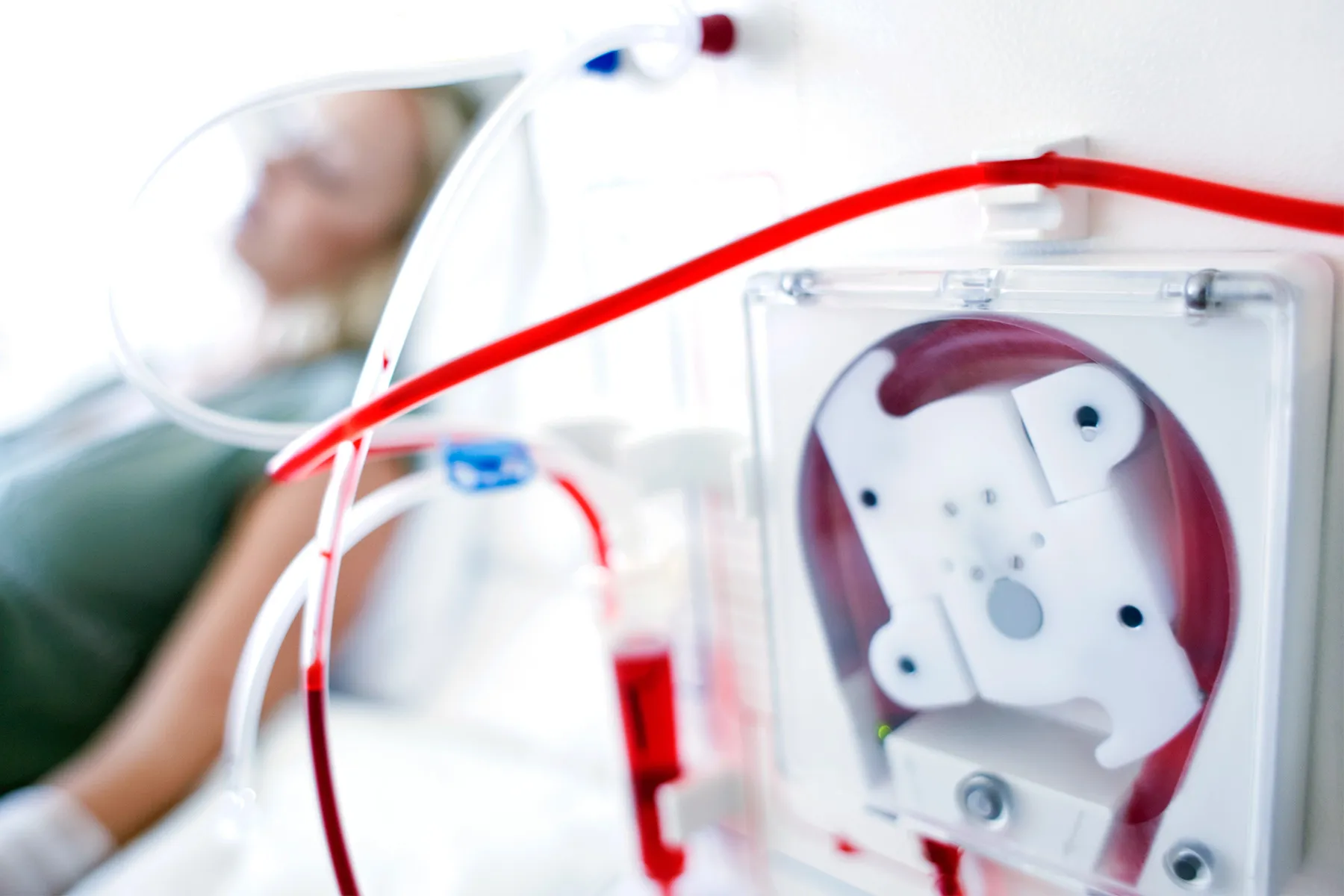
In hemodialysis, blood leaves the body through a vascular access, moves through a dialyzer that filters out wastes and excess fluid, and then returns to the body. This is the type many people picture first when they hear the word “dialysis.” It is commonly done in a dialysis center about three times a week for several hours at a time, though some people do hemodialysis at home depending on their medical needs, training, and support setup.
To make hemodialysis possible, patients usually need an access point, often an arteriovenous fistula, graft, or catheter. A fistula is generally preferred when possible because it can be safer and more durable over time. That little detail matters because dialysis is not just about the machine; it is also about how the bloodstream is reached, protected, and maintained.
Peritoneal Dialysis: The Internal Filter
Peritoneal dialysis works differently. Instead of filtering blood through a machine outside the body, it uses the lining of the abdomen, called the peritoneum, as a natural filter. Dialysis fluid goes into the belly through a catheter, absorbs waste and extra fluid, and then drains out. There are different forms, including continuous ambulatory peritoneal dialysis, which involves manual exchanges during the day, and automated peritoneal dialysis, which usually runs overnight with a machine while the patient sleeps.
For the right person, peritoneal dialysis can offer more flexibility and a greater sense of control. For others, in-center hemodialysis feels safer or more manageable. The “best” option is usually the one that fits the patient’s body, home situation, schedule, support system, and medical reality.
The Machine Is Not the Whole Story
People often imagine dialysis as one dramatic medical event repeated forever. In reality, it is more like an ecosystem. The machine matters, but so do the chair, the transportation, the lab work, the blood pressure checks, the medications, the dietitian visits, the fistula care, the infection precautions, and the conversation about transplant.
Dialysis also changes the way time feels. Instead of asking, “What am I doing this week?” a person may start asking, “What happens between treatments?” Travel becomes a math problem. Dinner becomes a chemistry lab. A glass of water becomes a decision, not a reflex. Even a good day is often organized around treatment, recovery, and the effort to feel normal again before the next session rolls around.
That does not mean life ends. It means life gets rearranged, sometimes dramatically. Work, parenting, dating, church, birthdays, errands, and sleep all learn to squeeze themselves around this new, uninvited boss.
Why Dialysis Can Feel Like a Full-Time Relationship
Let us be honest: dialysis is needy. It wants your time, your planning, your lab values, your transportation, your energy, and a suspicious amount of tape. It can leave people tired after treatment. Some experience cramps, headaches, dizziness, low blood pressure, or a washed-out feeling that makes the rest of the day feel like a soft reboot of the human operating system.
And then there is food. Depending on the type of dialysis and a person’s lab results, they may need to monitor sodium, potassium, phosphorus, protein, and fluids. That sounds simple on paper and wildly less simple in real life. Foods that used to feel harmless can suddenly become strategic. Soup is not just soup anymore. It is sodium and fluid. A banana is not just a banana. It is potassium with a cheerful yellow peel.
The emotional side deserves equal attention. Kidney failure is not only a medical diagnosis; it is a disruption of identity. People who were independent may now need help. People who thought of themselves as healthy enough may suddenly be surrounded by machines, appointments, and insurance language. The grief is real, even when the treatment is working.
Can Dialysis Replace Your Kidneys?
Yes and no. It can do enough of the kidneys’ filtering work to sustain life. It can remove waste, help control fluid buildup, and keep dangerous chemistry from spiraling out of control. But no dialysis machine fully matches what healthy kidneys do every minute of every day. That is why people on dialysis still need ongoing medical care, labs, medications, and careful monitoring.
In other words, when someone says, “My dialysis machine works as my kidneys,” the hidden phrase is “well enough for now.” That “for now” matters. It holds realism and hope in the same breath. It acknowledges the machine’s value without pretending it is a perfect replacement.
For many patients, transplant remains the preferred long-term treatment when it is medically appropriate and available. But not everyone is eligible right away, and not everyone receives a kidney quickly. That leaves dialysis doing what it was designed to do: buying time, supporting life, and making tomorrow possible.
How Family Life Changes When Dialysis Moves In
Kidney failure rarely arrives alone. It moves in with logistics. Family members may become drivers, care partners, medication organizers, blood pressure trackers, supply haulers, and emergency contacts. Children notice more than adults think they do. They notice that Mom naps more. They notice that Dad leaves before sunrise on treatment days. They notice when dinner gets pushed later because the clinic ran behind.
There is also the quiet emotional labor of making the home feel normal again after medicine has taken over so much space. A stack of boxes in the hallway may contain life-saving supplies, but it still looks like a warehouse crashed into a living room. A machine in the bedroom may be a miracle, but it is still a machine in the bedroom.
Families do adapt, often with remarkable creativity. They develop routines, inside jokes, backup plans, and a new respect for calendar alerts. Many learn that resilience is less about heroic speeches and more about remembering who packed the snacks and whether the blood pressure cuff is in the car.
Home Dialysis, In-Center Dialysis, and the Question of Control
One of the most important conversations in kidney care is not simply whether a person needs dialysis, but how they want to live with it. Home dialysis can offer more flexibility for some people and may fit better around work or family life. In-center dialysis can provide hands-on clinical support and a structured environment that feels safer or easier for others. Neither option is morally superior. This is not a personality test. It is a treatment decision.
The right choice depends on training, home environment, medical factors, comfort level, and support. Some patients want maximum independence. Others want professionals handling every treatment step. Some begin with one modality and later switch. That is not failure; it is adjustment. Kidney care is full of course corrections.
Coverage and cost questions also matter. Medicare plays a major role for many people with end-stage renal disease, and home dialysis training can be covered for eligible patients. That practical reality can shape what is possible just as much as clinical recommendations do.
What People Living on Dialysis Want Others to Understand
First, dialysis is not just “being sick.” It is active medical work. It takes effort, skill, and patience. Patients learn terminology they never wanted to know, from dry weight to phosphorus binders to fistula bruit. They become strangely fluent in their own chemistry.
Second, dialysis patients are not fragile ornaments. Many work, parent, travel carefully, exercise, laugh, and continue building full lives. They are not defined only by treatment, even when treatment dominates the schedule. A machine may keep the blood clean, but it does not get to own the entire personality.
Third, the phrase “you look good” can be both kind and completely unhelpful. A person can look polished and still be exhausted. They can smile through nausea. They can answer texts while silently calculating whether they have had too much fluid for the day. Visible wellness and actual wellness are not always twins.
For Now Is Not a Small Phrase
“For now” can sound temporary, but it is not trivial. In dialysis, “for now” may mean enough energy to watch your kid’s soccer game. Enough stability to show up to work on Thursday. Enough time to get on a transplant list, complete evaluation steps, or simply breathe easier because the fluid overload has eased. Medicine does not always deliver dramatic endings. Sometimes it delivers usable mornings, improved labs, and another week with the people you love. That counts.
So yes, a dialysis machine can work as your kidneys, for now. Not perfectly. Not invisibly. Not without sacrifice. But with astonishing persistence. It can stand in the gap while the body needs help and while life, stubbornly and beautifully, keeps going.
And maybe that is the most honest way to describe dialysis. It is not the life a person would have chosen. It is the technology that helps them keep choosing life anyway.
Extended Experiences: What Living With Dialysis Can Actually Feel Like
The oddest part of dialysis, for many people, is how quickly the extraordinary becomes routine. At first, everything looks like hospital equipment and danger. The sounds are intimidating. The needles seem impossible. The schedule feels insulting. Then, somewhere along the way, the machine becomes part of the furniture of survival. You start recognizing the rhythm of treatment days the same way other people recognize a commute. You know which shirt gives easier access. You know how long recovery usually takes. You know that feeling when too much fluid has built up and your body seems to be carrying an invisible backpack full of bricks.
There is also a strange split between gratitude and resentment. A person may be deeply thankful for the treatment and still hate every minute of needing it. Those two feelings can sit in the same chair together. On one hand, dialysis keeps you alive. On the other hand, it is demanding, repetitive, and impossible to ignore. It can make spontaneity feel expensive. You do not just leave for a weekend without planning. You do not casually skip your routine. The machine may be helping, but it is also setting terms.
Many patients describe the emotional exhaustion of always having to think ahead. Is there a clinic available if I travel? Did I take my medications? What were my labs last week? Is that swelling normal? Can I eat this? Should I drink this? When your kidneys fail, ordinary choices start requiring backstage calculations. Even social life gets filtered through treatment timing and energy levels. A dinner invitation is not just a dinner invitation. It is transportation, fluid intake, menu choices, and whether you will feel human enough to enjoy it.
And yet there are moments of stubborn normalcy that matter more than outsiders realize. Folding laundry after treatment. Driving your kid to school. Watching a movie without thinking about lab values for two full hours. Laughing with a nurse who has seen you on both your best and worst days. These moments are not tiny. They are proof that a person is still living a life, not just managing a disease.
People on dialysis often become experts in adaptation. They learn how to carry supplies without making it a whole dramatic production. They learn the value of a reliable care team. They learn that some days call for discipline and other days call for grace. They learn that strength is not looking fearless; it is showing up again for treatment even when fear is sitting right beside them.
Perhaps the most powerful experience is this: over time, the machine can stop feeling like an enemy and start feeling like an ally you never wanted but genuinely need. Not a friend, exactly. More like a very competent co-worker who arrives on time, does important work, and refuses to let your body’s chemistry run wild. It is not poetic, but it is intimate. When a machine helps carry the load your organs can no longer handle, it becomes part of your story. For now, it is doing the job. For now, it is helping create more ordinary days. For now, that is no small miracle.
Conclusion
Living with kidney failure means learning a new language of medicine, endurance, and compromise. Dialysis is not a perfect substitute for healthy kidneys, but it is a powerful tool that can keep waste and fluid in check, support daily life, and buy time for the next step, whether that is transplant or long-term treatment. The real story is not only about technology. It is about people adapting, families adjusting, and patients continuing to build meaningful lives around a therapy they never asked for. If there is a single truth at the center of this experience, it is this: the machine may be doing the kidneys’ work for now, but the person living through it is still doing the harder work of being human.