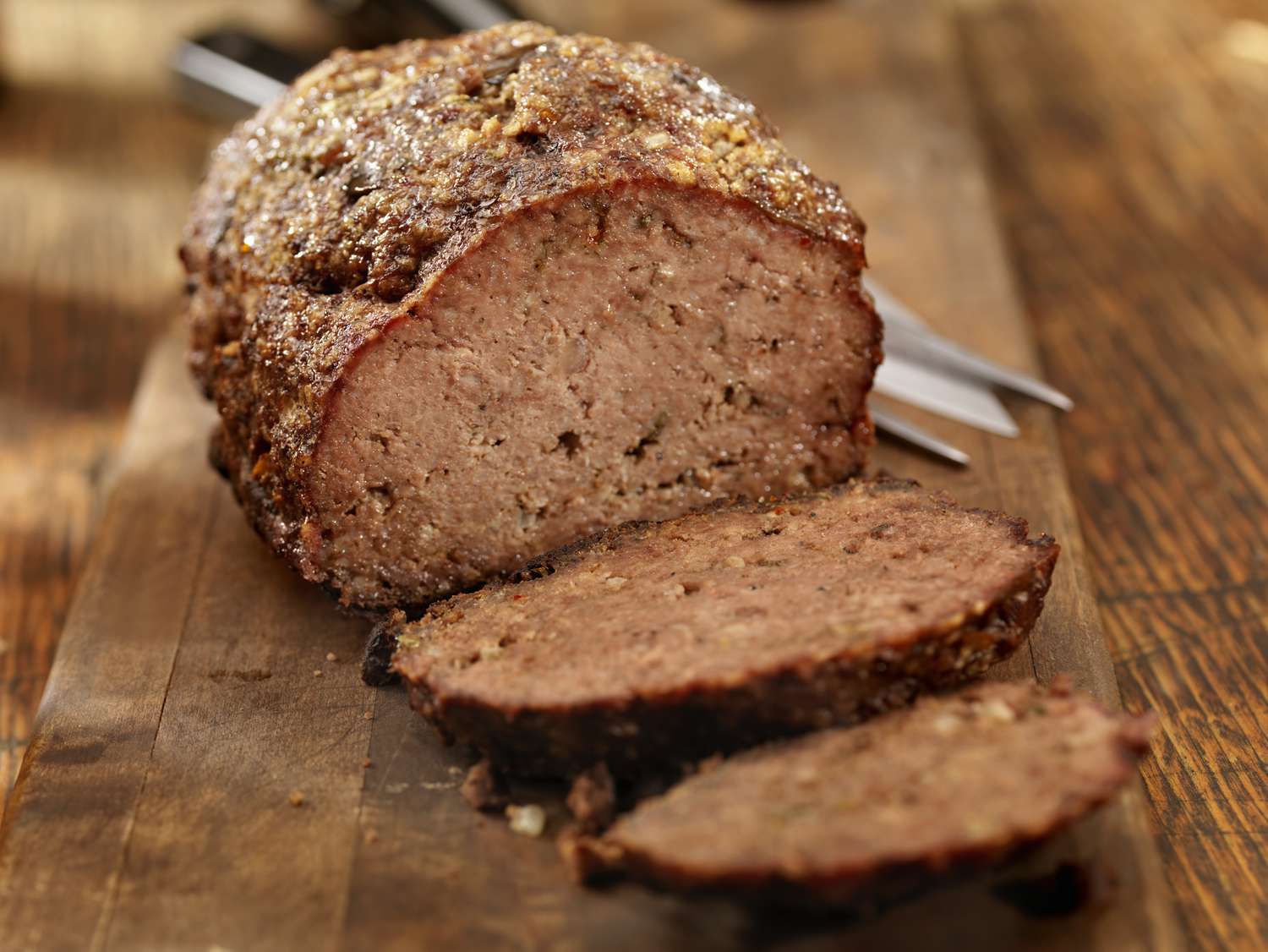

Some dinners walk into the kitchen wearing a cape. Classic meatloaf is one of them. It is humble, affordable, easy to prep, and sturdy enough to survive a chaotic Tuesday when homework, emails, laundry, and “What’s for dinner?” all arrive at the same time. This classic meatloaf recipe for busy cooks delivers the old-school comfort people expectjuicy ground beef, tender breadcrumbs, savory onion, a glossy ketchup glazewithout turning your evening into a cooking marathon.
The beauty of homemade meatloaf is that it does not ask you to be fancy. It asks you to mix, shape, glaze, bake, and let the oven do the hard part. With a few smart shortcuts, you can have a hearty family dinner on the table with minimal chopping and very little cleanup. Even better, meatloaf makes excellent leftovers, which means tomorrow’s sandwich is already quietly winning.
This guide covers a reliable classic meatloaf recipe, the best ingredients for flavor and texture, quick prep tips, common mistakes to avoid, serving ideas, storage instructions, and real-life cooking experience for busy households. The goal is simple: a moist, sliceable, flavorful meatloaf that tastes like comfort food but works like a weeknight dinner plan.
Why This Classic Meatloaf Recipe Works for Busy Cooks
A good meatloaf recipe has to balance three things: flavor, moisture, and structure. Too little binder, and the loaf falls apart like a dramatic soap opera scene. Too much binder, and it tastes more like bread casserole than dinner. This recipe uses ground beef, breadcrumbs, milk, egg, onion, Worcestershire sauce, ketchup, and simple seasonings to create the familiar texture people love.
For busy cooks, the recipe also avoids unnecessary steps. You do not need specialty equipment, complicated sauces, or a grocery list that looks like it came with footnotes. Everything is designed around pantry staples and practical timing. You can mix the meatloaf in about 10 to 15 minutes, bake it while you handle side dishes, and rest it briefly before slicing.
Ingredients for Classic Meatloaf
For the meatloaf
- 1 1/2 pounds ground beef, preferably 80/20 or 85/15
- 1 cup plain breadcrumbs or crushed saltine crackers
- 1/2 cup milk
- 1 large egg
- 1 small yellow onion, finely chopped
- 2 cloves garlic, minced, or 1 teaspoon garlic powder
- 2 tablespoons ketchup
- 1 tablespoon Worcestershire sauce
- 1 teaspoon kosher salt
- 1/2 teaspoon black pepper
- 1 teaspoon dried parsley or Italian seasoning, optional
For the ketchup glaze
- 1/2 cup ketchup
- 1 tablespoon brown sugar
- 1 tablespoon yellow mustard
- 1 teaspoon apple cider vinegar or Worcestershire sauce
Best Ground Beef for Meatloaf
For a juicy classic meatloaf, choose ground beef with some fat. Extra-lean beef may sound virtuous, but it can produce a dry loaf that tastes like it has been through a motivational seminar and lost its personality. Ground beef labeled 80/20 is a reliable choice because the fat adds moisture and flavor while the binder helps keep everything together.
If you prefer a slightly lighter meatloaf, 85/15 ground beef still works well. For a richer version, some cooks replace part of the beef with ground pork or pork sausage. That adds tenderness and savory depth, though this recipe keeps things simple with all beef for everyday convenience.
How to Make Classic Meatloaf Step by Step
Step 1: Preheat and prepare the pan
Preheat the oven to 350°F. Line a rimmed baking sheet with parchment paper or foil for easier cleanup. You can use a loaf pan, but shaping the meatloaf freeform on a baking sheet allows more of the glaze to caramelize around the sides. More glaze equals more happiness. This is not complicated math.
Step 2: Soften the breadcrumbs
In a large mixing bowl, combine the breadcrumbs and milk. Let the mixture sit for 2 to 3 minutes. This creates a panade, which is just a fancy cooking term for “the thing that keeps your meatloaf from becoming a brick.” The breadcrumbs absorb the milk and help the meatloaf stay tender as it bakes.
Step 3: Add the flavor ingredients
Add the egg, chopped onion, garlic, ketchup, Worcestershire sauce, salt, pepper, and optional dried herbs to the breadcrumb mixture. Stir until everything is evenly combined. Mixing the seasonings before adding the beef helps distribute flavor without requiring you to overwork the meat later.
Step 4: Mix in the ground beef gently
Add the ground beef to the bowl. Use clean hands or a large fork to mix just until combined. Do not mash, squeeze, or knead it like bread dough. Overmixing is one of the biggest reasons meatloaf turns dense. You want the mixture to hold together, not bounce off the plate.
Step 5: Shape the loaf
Transfer the meat mixture to the prepared baking sheet. Shape it into a loaf about 8 inches long and 4 inches wide. Try to keep the thickness even so it cooks consistently from end to center. If you are using a loaf pan, lightly grease the pan first and avoid packing the mixture too tightly.
Step 6: Make the glaze
In a small bowl, stir together ketchup, brown sugar, mustard, and vinegar. Spread about half of the glaze over the top of the meatloaf before baking. Save the rest for the final 10 to 15 minutes so the top gets glossy, tangy, and slightly sticky.
Step 7: Bake to the right temperature
Bake the meatloaf for about 45 minutes. Brush on the remaining glaze, then bake for another 10 to 15 minutes, or until the center reaches 160°F on an instant-read thermometer. Time is helpful, but temperature is the truth. A thermometer prevents guessing, and guessing at dinner is how people end up eating either undercooked beef or sadness.
Step 8: Rest before slicing
Let the meatloaf rest for 10 minutes before slicing. Resting allows the juices to settle so the slices hold together better. Cut too soon, and the loaf may crumble like it just heard bad news. Give it a few minutes, and it rewards you with neat, tender slices.
Quick Tips for Busy Weeknights
Prep the meatloaf ahead
You can assemble the meatloaf mixture earlier in the day, shape it, cover it tightly, and refrigerate it until dinner time. When you are ready to cook, add the glaze and bake. If the meatloaf is very cold from the refrigerator, it may need a few extra minutes in the oven.
Use a mini meatloaf shortcut
For faster cooking, divide the mixture into smaller loaves or bake it in a muffin tin. Mini meatloaves cook more quickly than one large loaf, making them a smart option when dinner needs to happen before everyone starts snacking directly from the cereal box.
Choose no-chop seasonings
Fresh onion and garlic taste great, but busy nights sometimes require practical swaps. Use onion powder and garlic powder when you are short on time. You can also add dried parsley, Italian seasoning, smoked paprika, or a little prepared barbecue sauce for quick flavor.
Make cleanup easier
Line your baking sheet with foil or parchment paper. Mix the ingredients in one large bowl. Use a small bowl for the glaze. That is it. No mountain of dishes, no mystery splatters, no kitchen that looks like it auditioned for a disaster movie.
Common Meatloaf Mistakes to Avoid
Using meat that is too lean
Lean ground beef can work, but very lean beef often creates dry meatloaf. If you use lean meat, consider adding extra moisture with grated onion, a splash more milk, or a bit of ketchup in the mixture.
Skipping the binder
Breadcrumbs, crackers, oats, or bread soaked in milk help hold meatloaf together. Without a binder, the loaf may crumble. The binder also gives meatloaf its classic tender texture.
Overmixing the meat
Mix gently and stop as soon as the ingredients are combined. The more you work the ground beef, the firmer and denser the finished loaf becomes.
Forgetting to rest it
Meatloaf needs a short rest after baking. Ten minutes can make the difference between clean slices and a plate of delicious but chaotic meat rubble.
What to Serve with Classic Meatloaf
Classic meatloaf loves classic sides. Mashed potatoes are the obvious partner, because gravy and ketchup glaze both understand their assignment. Roasted green beans, buttered peas, glazed carrots, mac and cheese, or a crisp side salad also pair beautifully.
For a faster weeknight plate, serve meatloaf with microwave-steamed vegetables and store-bought mashed potatoes. There is no shame in a shortcut that gets dinner on the table. The dinner police are not coming, and if they do, offer them a slice.
Leftover Meatloaf Ideas
Leftover meatloaf might be even more useful than the original dinner. Tuck slices into sandwich bread with mayonnaise, mustard, lettuce, and pickles. Crumble it into tomato sauce for quick pasta. Dice it into breakfast hash with potatoes and eggs. You can even use it as a filling for grilled cheese if you believe comfort food should occasionally wear a second sweater.
To store leftovers, refrigerate sliced meatloaf in an airtight container for up to 3 to 4 days. Reheat gently in the microwave or oven until hot. For longer storage, wrap slices tightly and freeze them for up to 3 months. Individual slices are especially convenient because you can reheat only what you need.
Easy Variations on Classic Meatloaf
BBQ meatloaf
Replace part or all of the ketchup glaze with barbecue sauce. Add a pinch of smoked paprika to the meat mixture for a smoky flavor.
Italian-style meatloaf
Use Italian breadcrumbs, add dried oregano and basil, and replace the ketchup glaze with marinara sauce. A little grated Parmesan in the mixture adds extra savory flavor.
Cheeseburger meatloaf
Add shredded cheddar cheese to the meat mixture and top the glaze with a few pickle slices after baking. Serve with roasted potatoes or oven fries.
Vegetable-packed meatloaf
Add finely grated carrot, zucchini, or bell pepper. These vegetables add moisture and help stretch the meat mixture, which is useful when feeding a hungry family on a budget.
Classic Meatloaf Recipe Card
Prep Time
15 minutes
Cook Time
55 to 60 minutes
Total Time
About 1 hour 15 minutes
Servings
6 servings
Instructions
- Preheat oven to 350°F and line a rimmed baking sheet with parchment paper or foil.
- Combine breadcrumbs and milk in a large bowl. Let stand for 2 to 3 minutes.
- Add egg, onion, garlic, ketchup, Worcestershire sauce, salt, pepper, and herbs. Stir well.
- Add ground beef and mix gently until just combined.
- Shape into a loaf on the prepared baking sheet.
- Mix glaze ingredients in a small bowl. Spread half over the meatloaf.
- Bake for 45 minutes. Add remaining glaze and bake 10 to 15 minutes more.
- Remove from oven when the center reaches 160°F.
- Rest for 10 minutes before slicing and serving.
Extra Experience: Real-Life Lessons from Making Meatloaf on Busy Days
The best thing about making classic meatloaf as a busy cook is that it forgives real life. It does not require perfect timing, elegant knife skills, or the kind of peaceful kitchen environment shown in cooking shows where nobody is asking where their socks went. Meatloaf fits into ordinary evenings. You can mix it while answering a text, shape it while the oven preheats, and bake it while helping someone find the backpack that is somehow directly beside them.
One practical lesson is that preparation matters more than complexity. If the onion is chopped finely, the breadcrumbs are softened, and the meat is mixed gently, the final dish tastes thoughtfully made even though the method is simple. Busy cooking is not about doing less because you do not care. It is about choosing steps that give the biggest reward. Soaking breadcrumbs in milk, for example, takes almost no effort but makes a noticeable difference in tenderness.
Another helpful experience is learning that meatloaf is excellent for meal planning. You can make one loaf and use it in several meals. The first night, serve it hot with mashed potatoes and vegetables. The next day, turn leftovers into sandwiches. Later in the week, crumble a slice into pasta sauce or serve it with rice and steamed vegetables. This flexibility makes meatloaf valuable for families, students, and anyone who wants dinner to stretch without tasting like a punishment.
It also teaches the importance of a meat thermometer. Many cooks rely on time alone, but ovens vary, loaf shapes vary, and cold meat takes longer to cook. Checking for 160°F in the center removes uncertainty. Once you start using a thermometer, meatloaf becomes less stressful because you are no longer cutting into the middle and hoping for the best.
Freeform baking is another experience-based tip worth keeping. A loaf pan is tidy, but a freeform loaf on a baking sheet gives better edges and lets the glaze cook beautifully. It also prevents the meatloaf from sitting in too much liquid. If you still prefer a loaf pan for shaping, you can form the meat in the pan, then turn it out onto a baking sheet before baking.
Finally, classic meatloaf proves that comfort food does not need to be complicated. The ingredients are modest, but the result feels generous. It fills the kitchen with a familiar savory smell, slices neatly, feeds a table, and leaves behind lunches that people actually want to eat. For busy cooks, that is the dream: dinner that works hard, tastes good, and does not require three pans, twelve bowls, and a heroic cleanup scene afterward.
Conclusion
This classic meatloaf recipe for busy cooks is the kind of reliable dinner every home kitchen should keep nearby. It is simple enough for a weeknight, hearty enough for a family meal, and flexible enough to adapt with whatever pantry ingredients you have on hand. With ground beef, breadcrumbs, milk, egg, onion, Worcestershire sauce, and a tangy ketchup glaze, you get a moist, flavorful meatloaf that slices well and tastes like old-fashioned comfort.
The key is not to overthink it. Use beef with enough fat, soften the breadcrumbs, mix gently, glaze generously, bake to 160°F, and rest before slicing. Do those things, and your meatloaf will show up for dinner like the dependable hero it isno cape required, though a side of mashed potatoes certainly helps.