
Healthcare innovation is often introduced with a dramatic soundtrack, a glowing laboratory, and at least one scientist staring thoughtfully at a hologram. Real progress iscialist without driving four hours, when an algorithm helps a radiologist notice a suspicious image, or when a wearable device reveals a health pattern worth discussing with a doctor.
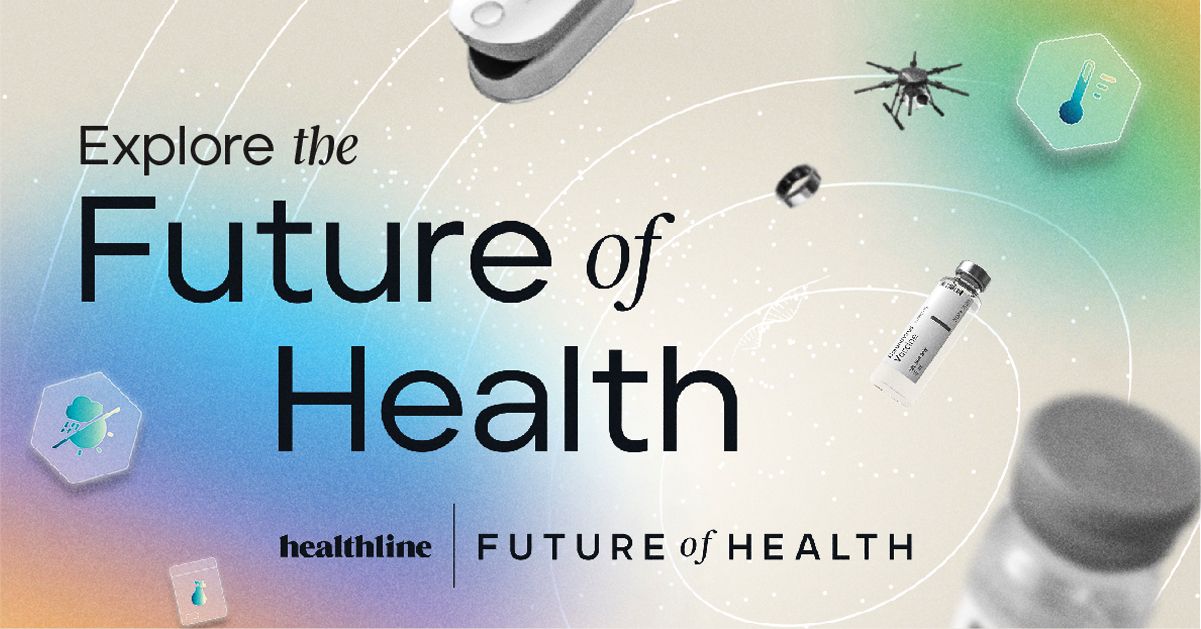
Transform: Future of Health explores this practical side of medical innovation. Launched by Healthline as a multimedia initiative, the series combines short documentaries, expert interviews, editorial features, and interactive storytelling. Instead of treating the future of healthcare as a distant science-fiction destination, it examines technologies and ideas already changing how people understand their bodies, receive care, and respond to environmental risks.
The video series is organized around several connected themes, including healthcare technology, wellness innovation, virtual care, artificial intelligence, wearable health devices, psychedelic research, climate change, and food-system resilience. The result is an accessible tour of a healthcare system moving from reactive treatment toward earlier detection, prevention, personalization, and greater patient participation.
What Is Transform: Future of Health?
Transform: Future of Health is a health and wellness video series designed to introduce audiences to researchers, clinicians, entrepreneurs, and advocates working on emerging solutions. Journalist, author, and producer Liz Plank guides viewers through many of the stories, helping translate complex medical developments into understandable questions about everyday life.
The format matters. Medical innovation can become intimidating when it is buried under academic terminology or reduced to a parade of impressive statistics. Video gives viewers a chance to see the people developing these ideas, hear patients describe their experiences, and understand how a technology might fit into an actual care journey.
The series does not suggest that one app, headset, drug, or artificial intelligence system will magically repair healthcare. That would be convenient, but healthcare is not a frozen laptop that can be fixed by turning it off and back on. Instead, the project presents innovation as an ecosystem. Technology, professional judgment, public policy, privacy, affordability, infrastructure, and patient trust must work together.
The Major Themes Shaping the Series
Virtual Care Moves Healthcare Beyond the Clinic
One of the central subjects in the series is virtual care. Telehealth expanded rapidly during the COVID-19 pandemic, but its long-term significance goes far beyond emergency video appointments. It can connect patients with primary care professionals, mental health providers, pharmacists, specialists, and chronic-disease support teams without requiring every interaction to happen in a medical building.
For a patient managing diabetes, for example, a virtual visit may be useful for discussing glucose readings, medication effects, nutrition habits, or laboratory results. Someone recovering from surgery may be able to complete a routine follow-up from home. A person in a rural community may gain access to a specialist who practices hundreds of miles away.
Virtual care also has limitations. A video call cannot set a broken bone, perform a biopsy, or replace every physical examination. Patients may lack reliable internet service, private space, appropriate devices, or digital confidence. Licensing rules, reimbursement policies, cybersecurity, and access for people with disabilities also influence whether telehealth works well.
The series therefore treats virtual care as an additional doorway into the healthcare system rather than a replacement for the entire building. The most useful future is likely to be hybrid, combining remote convenience with in-person care when hands-on evaluation is necessary.
Artificial Intelligence Supports Earlier Detection
Artificial intelligence is another major character in the future-of-health story, although it should probably be denied its request for a dramatic superhero cape. AI systems can analyze large volumes of imaging, laboratory, genomic, and clinical data. Researchers are studying how these systems might support cancer screening, estimate risk, identify patterns, and help match patients with potentially effective treatments.
In medical imaging, an AI tool may highlight an area that deserves closer attention from a radiologist. In cancer research, machine-learning models can help investigators study tumors at a scale that would be difficult to manage manually. Other systems may assist with administrative documentation, giving clinicians more time to speak directly with patients.
These benefits come with serious responsibilities. An algorithm trained on incomplete or unrepresentative data may perform poorly for certain populations. Medical information is deeply sensitive, making privacy and security essential. A technically impressive result can also be misleading when it has not been validated in real clinical settings.
That is why responsible AI should support professional decision-making rather than silently replace it. Clinicians must remain accountable for interpreting results, considering the patient’s circumstances, and explaining the available choices. The best algorithm may find a pattern, but it cannot fully understand a person’s fears, family obligations, financial constraints, or tolerance for uncertainty.
Wearable Health Technology Turns Daily Life Into Data
Wearable technology has grown from simple step counters into watches, rings, bands, and patches capable of monitoring several physiological signals. Depending on the device, users may track heart rate, movement, sleep duration, blood oxygen estimates, temperature trends, exercise intensity, or changes in heart rhythm.
This continuous stream of information can make health feel more visible. A person may notice that poor sleep affects resting heart rate, that stressful weeks reduce physical activity, or that a training plan does not provide enough recovery. In clinical research, wearable devices can also collect data while participants live normally rather than requiring every measurement to happen inside a laboratory.
Still, more data does not automatically create more wisdom. Consumer devices vary in accuracy, and many measurements are estimates rather than diagnoses. A sleep score can provide a useful clue, but it does not replace an evaluation for persistent insomnia or sleep apnea. An unusual heart-rate notification may justify medical follow-up, but it should not trigger an immediate online farewell tour.
The practical lesson is to use wearable data as a conversation starter. Trends become more meaningful when interpreted alongside symptoms, medical history, medications, and professional guidance.
Psychedelic Research Reopens an Old Medical Conversation
The series also examines growing scientific interest in psychedelic-assisted therapy. Researchers at major academic institutions have studied compounds such as psilocybin in controlled settings for conditions including depression, anxiety associated with serious illness, and certain substance-use disorders.
The renewed interest is not simply about giving someone a psychedelic substance and hoping enlightenment arrives before lunch. Clinical research typically includes careful participant screening, preparation, professional supervision, controlled dosing, and follow-up integration sessions. The therapeutic environment may be as important as the compound itself.
Early findings have encouraged additional research, but important questions remain about long-term effects, appropriate patient selection, dosing, safety, accessibility, therapist training, and regulation. Psychedelic experiences can be psychologically intense and may be inappropriate or risky for some people.
By placing the subject within a medical and ethical context, Transform: Future of Health separates legitimate research from recreational hype. The future of psychedelic medicine, should it expand, will require clinical standards rather than a playlist, a beanbag chair, and somebody’s extremely confident cousin.
Climate Change Is Also a Healthcare Issue
One of the series’ most important contributions is its inclusion of climate and sustainability. Health is influenced by the air people breathe, the water they drink, the food available in their communities, the temperatures where they live, and the resilience of local infrastructure.
Extreme heat can increase the risk of heat-related illness and place additional strain on the cardiovascular system. Wildfire smoke and worsening air quality may aggravate respiratory conditions. Flooding can disrupt medical services, contaminate water, damage housing, and interrupt access to medication. Changes in temperature and rainfall may also affect the geographic range of certain infectious diseases.
These harms are not distributed equally. Older adults, outdoor workers, people with chronic conditions, families with lower incomes, and communities with limited access to cooling, transportation, or healthcare may face greater risks.
The series encourages viewers to see environmental health as part of personal health. A discussion about asthma, pregnancy, heart disease, mental well-being, or food security is incomplete when environmental conditions are ignored.
A Resilient Food System Supports Human Health
The food supply chain may sound like a subject reserved for warehouses and agricultural conferences, but it directly affects nutrition, affordability, community health, and environmental sustainability. Disruptions during the pandemic demonstrated how vulnerable highly concentrated systems can become when processing facilities, transportation routes, or labor networks are interrupted.
A more resilient food system may include stronger regional processing capacity, support for small and midsize producers, better distribution infrastructure, reduced waste, climate-conscious agriculture, and improved access to nutritious foods. These changes are not merely economic. They influence whether families can reliably obtain fresh, affordable, culturally appropriate food.
This part of the future-of-health conversation broadens the definition of medical innovation. Sometimes improving health involves a sophisticated diagnostic system. Sometimes it involves making sure a neighborhood has a functioning grocery store and a stable supply of vegetables.
Why the Video Series Works
It Makes Complicated Ideas Understandable
The series succeeds because it translates emerging science without pretending every question has already been answered. Viewers are introduced to the promise of innovation as well as the uncertainty that accompanies it. That distinction is essential in health communication, where excitement can easily outrun evidence.
Clear storytelling also gives audiences enough context to ask better questions. Instead of merely hearing that AI is “revolutionizing medicine,” viewers can consider what data trained the system, who tested it, how accurately it performs, and who is responsible when it makes a mistake.
It Connects Technology With Real People
Healthcare technology is useful only when it improves human experiences or outcomes. By featuring experts, innovators, patients, and communities, the series keeps its attention on the people affected by each development.
A virtual-care platform is not important because its interface looks elegant. It is important when it helps someone receive timely counseling, understand a medication, or avoid an exhausting trip. A wearable is not valuable because it generates colorful graphs. It is valuable when the information leads to a useful conversation or a sustainable behavior change.
It Treats Access and Equity as Core Design Questions
A recurring question throughout the future-of-health discussion is deceptively simple: Who benefits?
An innovation cannot transform public health if it is affordable only to a small group, unavailable in rural communities, difficult to use with a disability, or trained on data that excludes large portions of the population. Access should be considered during development, not added later like an apologetic software patch.
That means innovators must think about insurance coverage, language access, broadband availability, digital literacy, inclusive research recruitment, disability accommodations, and community trust. A breakthrough that never reaches the people most likely to need it remains an impressive prototype, not a healthcare transformation.
What Viewers Should Keep in Mind
The series is an educational starting point, not a substitute for personalized medical care. Emerging technologies may be promising without being appropriate for every person. Some are still being tested, while others are regulated differently depending on how they are marketed and used.
Before acting on a health innovation, viewers should ask whether the product or treatment has been evaluated in peer-reviewed research, whether it has appropriate regulatory authorization, what risks are known, how personal data is protected, and what qualified medical professionals say about it.
Healthy skepticism does not require rejecting innovation. It simply means making room for evidence between the exciting headline and the credit-card form.
Experiencing Transform: Future of Health as a Viewer
Watching Transform: Future of Health feels less like attending a formal medical lecture and more like joining a carefully guided conversation. The episodes introduce serious subjects without surrounding them with unnecessary academic fog. Viewers can understand the central idea of an innovation, meet people working with it, and consider what it might mean beyond a research laboratory.
The most engaging viewing experience comes from noticing the connections among episodes. Virtual care, wearables, and artificial intelligence may initially appear to be separate trends. Together, however, they suggest a new model of healthcare. A wearable could collect information at home, a virtual platform could connect the patient with a clinician, and an analytical system could help organize the data. The human professional would then interpret the results and decide what deserves further attention. Each tool contributes something, but none is sufficient alone.
The climate and food-system stories create another memorable shift. Many people are accustomed to thinking about healthcare as a private interaction between a patient and a clinician. The series demonstrates that health also depends on public systems. Heat-resistant housing, clean air, stable food distribution, safe workplaces, broadband access, and disaster preparedness can influence well-being long before someone enters an examination room.
Viewers may also experience a productive tension between optimism and caution. The innovations are genuinely exciting. Earlier cancer detection, more convenient mental healthcare, personalized treatment, and continuous health monitoring could improve many lives. At the same time, every new tool introduces questions about privacy, bias, cost, evidence, and unintended consequences. The series is most valuable when it leaves the audience inspired enough to learn more but cautious enough not to order a mysterious “medical breakthrough” from an advertisement featuring twelve exclamation points.
Another useful experience is comparing the stories with one’s own healthcare routine. A viewer might consider which appointments could reasonably happen online, whether a fitness tracker has produced actionable insights, or how extreme heat affects a family member with heart or lung disease. Someone may recognize that they have collected months of wearable data without ever discussing it with a professional. Another person may realize that a telehealth option could reduce the practical burden of obtaining routine care.
The episodes can also improve conversations with healthcare professionals. Instead of asking whether a new technology is simply “good” or “bad,” a viewer can ask more specific questions: Is this device clinically validated? Does it measure what it claims to measure? Would the result change treatment? What happens to the data? Are there lower-cost alternatives? Those questions transform passive curiosity into informed participation.
Ultimately, the viewing experience is hopeful because the series presents the future as something people can influence. Patients can demand understandable information and responsible privacy practices. Clinicians can help evaluate new tools. Researchers can recruit more representative participants. Policymakers can improve access and oversight. Communities can prepare for environmental health risks. Innovation is not merely something delivered by a laboratory or technology company; it is shaped by the standards society chooses to require.
Conclusion: The Future of Health Must Remain Human
Transform: Future of Health offers a thoughtful introduction to the forces reshaping medicine and wellness. Its stories show how virtual care can expand access, how artificial intelligence may support earlier detection, how wearable devices can reveal daily patterns, and how carefully controlled psychedelic research may lead to new therapeutic options.
Just as importantly, the series recognizes that healthcare does not exist separately from climate, food systems, social conditions, or public infrastructure. The future of health will be determined not only by what can be invented, but by what can be delivered safely, fairly, affordably, and responsibly.
The most successful innovations will not remove humanity from healthcare. They will give medical professionals better tools, give patients clearer choices, and create more opportunities for prevention and participation. The future may contain smarter software, smaller sensors, and surprisingly talkative watches. It will still need trust, empathy, evidence, and a person willing to listen.
Note: This article provides general educational information about healthcare innovation. Emerging technologies and treatments may carry risks and may not be appropriate for every individual. Medical concerns and treatment decisions should be discussed with a qualified healthcare professional.