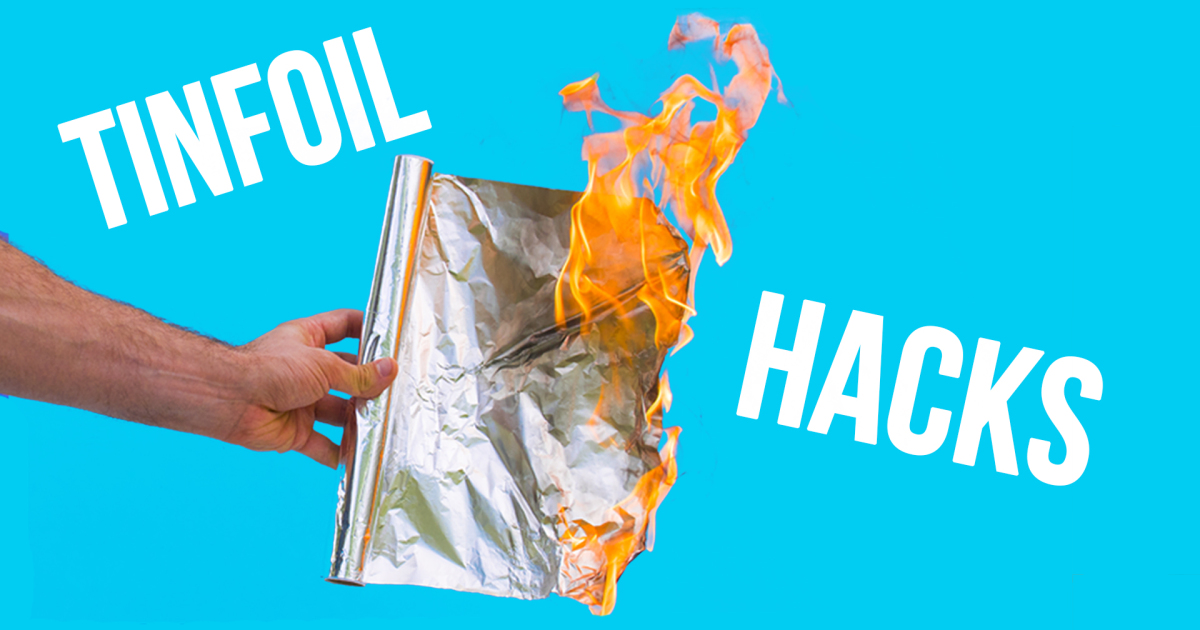
Get A Ph.d In Aluminum Foil Hacks After Watching These 27 Foil And Diy Ideas

If aluminum foil had a résumé, it would be wildly overqualified. It can protect pie crust, rescue rusty tools, help clean grill grates, polish silver, shape into a funnel, defend leftovers from freezer burn, and somehow still look humble sitting in a kitchen drawer next to the sandwich bags. This shiny little roll is the quiet overachiever of the household worldthe straight-A student who also fixes your Wi-Fi.
But like every genius tool, aluminum foil works best when you know its limits. It is fantastic for quick cooking tricks, cleaning shortcuts, garden fixes, craft projects, and emergency “I need a solution in 30 seconds” moments. It is less fantastic when someone tries to line the bottom of an oven with it, stuff it into a microwave, or wrap tomato sauce in it for three days and then wonder why dinner tastes like a robot sneezed.
This guide gives you 27 practical aluminum foil hacks and DIY ideas that are useful, realistic, and safe when done correctly. Think of it as your unofficial Ph.D. in foil: no student loans, no dissertation defense, and the only lab coat required is an apron with suspicious coffee stains.
Why Aluminum Foil Is So Useful Around the House
Aluminum foil is flexible, heat-resistant, lightweight, reflective, and easy to shape. That combination makes it unusually handy. It can act as a temporary barrier, a heat reflector, a scrubber, a moisture shield, a craft material, and a quick mold for small household tasks.
The secret is not magic. Foil works because it conducts heat, reflects radiant heat and light, bends easily, and creates a disposable surface that can protect pans, shelves, tools, and work areas. It is inexpensive enough for everyday use but sturdy enoughespecially heavy-duty foilto handle grilling, roasting, and many DIY jobs.
Still, common sense matters. Do not use aluminum foil in ways that could damage appliances, scratch delicate surfaces, contaminate food, or create a fire risk. A true foil scholar knows both the hacks and the “please don’t do that” footnotes.
27 Aluminum Foil Hacks And DIY Ideas Worth Knowing
1. Make A Pie Crust Shield
Pie crust edges brown faster than the filling cooks, which is unfair but very on-brand for pie. Tear strips of foil and gently wrap them around the crust edge during baking. This blocks excess heat and helps prevent burnt edges while the center finishes cooking.
2. Create Easy Foil Packet Dinners
Foil packet meals are the culinary version of “work smarter, not harder.” Add vegetables, fish, chicken, shrimp, potatoes, herbs, and a small splash of liquid to a sheet of foil. Fold it into a sealed packet, then bake or grill. The packet traps steam, keeps food moist, and reduces cleanup.
3. Protect Food From Freezer Burn
For bread, cooked meat, casseroles, or meal-prep portions, a tight layer of foil can help reduce air exposure in the freezer. For best results, wrap food first in plastic wrap or place it in a freezer-safe bag, then add foil as a second protective layer. Label it, because “mystery brick from February” is not a meal plan.
4. Scrub Stubborn Pots And Pans
A crumpled ball of aluminum foil can work as an emergency scrubber for stainless steel pans, cast iron, grill tools, and other tough surfaces. Add a little dish soap and warm water, then scrub gently. Avoid nonstick cookware, enamel, and delicate finishes because foil can scratch them.
5. Remove Rust From Tools
Wet a small ball of foil with water or vinegar and rub it over rusty garden tools, pliers, scissors, or metal fixtures. Aluminum is softer than many metals, so it can help lift rust without being as aggressive as steel wool. Wipe dry afterward to slow future rust.
6. Polish Tarnished Silver
Line a non-metal bowl or pan with foil, add hot water, baking soda, and a little salt, then place silver items so they touch the foil. A chemical reaction helps transfer tarnish away from the silver. Rinse and dry thoroughly. Skip this method for fragile antiques, glued handles, gemstones, or pieces with delicate patina.
7. Clean Grill Grates
After grilling, while the grates are still warm but not dangerously hot, use tongs to hold a foil ball and scrub stuck-on bits from the grate. This is useful when you cannot find the grill brush or when your grill brush looks like it retired three summers ago.
8. Sharpen Scissors In A Pinch
Fold a sheet of foil several times and cut through it repeatedly with dull craft scissors. This can help clean and lightly refine the blade edge. It will not replace professional sharpening, but it can revive scissors enough to finish a wrapping-paper emergency.
9. Make A DIY Funnel
Need to pour dry goods, oil, or small hardware into a narrow container? Shape foil into a cone and leave a small opening at the bottom. It is not glamorous, but neither is spilling rice into a drawer.
10. Reflect Heat Behind A Radiator
If you have a radiator near an exterior wall, placing a heat-safe reflective panel behind it can help direct warmth back into the room. Use foil attached to cardboard only where temperatures stay safe, and keep it away from open flames, exposed wiring, or anything that could overheat.
11. Speed Up Ironing
Place a smooth sheet of foil under the ironing board cover. The foil reflects heat upward, helping fabric warm from both sides. It can make ironing faster, especially for cotton shirts and linens. It will not make ironing fun, but let’s not demand miracles.
12. Protect A Paint Tray
Before painting, line your tray with foil and press it into the corners. Pour paint as usual. When finished, let leftover paint dry, then remove the foil. Cleanup becomes dramatically easier, and your future self may actually applaud.
13. Cover Door Knobs While Painting
Foil molds around odd shapes better than tape. Wrap it around door knobs, cabinet pulls, or small fixtures before painting nearby surfaces. When the paint dries, remove the foil and enjoy not scraping paint off hardware with your fingernail.
14. Make A Temporary Drip Catcher
When working with glue, stain, craft paint, or plant pots, use foil as a disposable drip tray. Fold the edges upward to form a shallow rim. This works well for small projects on a table or workbench.
15. Line A Baking Sheet For Roasting
Foil can make cleanup easier when roasting vegetables, bacon, or non-acidic foods. Use heavy-duty foil for high-moisture or heavier items. For cookies, parchment paper is usually better because foil conducts heat quickly and can overbrown the bottoms.
16. Keep Banana Stems Fresh Longer
Wrapping the crown of a banana bunch with foil may slow the release of ethylene gas from the stems. It will not freeze time, but it may buy you an extra day or two before bananas begin their dramatic journey from “perfect snack” to “banana bread candidate.”
17. Make A Custom Pan Divider
Fold several layers of foil into a sturdy wall and place it inside a baking pan to divide foods. This is helpful when roasting two vegetables with different seasonings or baking smaller portions in a large pan. Press the divider firmly so liquids do not sneak underneath.
18. Shield Delicate Food On The Grill
Use foil as a barrier for fragile foods like fish, asparagus, sliced onions, or small mushrooms. A lightly oiled sheet of foil prevents pieces from falling through the grate and reduces sticking.
19. Create A Makeshift Lid
If a pot lid disappears into the mysterious cabinet dimension, foil can serve as a temporary cover. Crimp it around the pot edge to trap heat and steam. Leave a small vent if pressure or bubbling is a concern.
20. Protect Plant Seedlings From Pests
Small collars made from foil can help protect young garden stems from crawling pests. Wrap a loose ring around the base of the plant, leaving room for growth. Do not wrap tightly, and remove or adjust it as the plant gets larger.
21. Brighten A Seedling Tray
Foil can reflect light toward seedlings on a windowsill. Place it behind or around the tray, not directly over plants. This can help reduce leaning as seedlings stretch toward sunlight.
22. Make A Simple Photography Reflector
Tape foil to cardboard with the shiny side facing outward to create a small reflector for product photos, craft pictures, or food photography. It bounces light into shadows and can make homemade photos look cleaner and brighter.
23. Reduce Static In The Dryer
A tightly crumpled foil ball can help reduce static in some laundry loads. Make sure the ball is smooth, compact, and not shedding bits. Avoid using it with delicate fabrics, and do not expect the softness or fragrance of dryer sheets.
24. Keep Matches Dry While Camping
Wrap matchboxes or fire-starting supplies in foil before storing them in a camping kit. Foil adds a small moisture barrier and helps keep the box from getting crushed. Store matches responsibly and away from children.
25. Make A Campfire Cooking Surface
Heavy-duty foil can help cook potatoes, corn, vegetables, or foil packet meals over a campfire. Keep food away from direct flames when possible, rotate packets carefully, and use heat-safe tools. The goal is dinner, not a tiny meteorite.
26. Stop Cats From Scratching Certain Spots
Many cats dislike the texture and sound of foil. Temporarily placing foil on counters, chair arms, or plant areas may discourage unwanted scratching or jumping. Use it as a training aid, not a permanent interior design statement.
27. Make Craft Shapes And DIY Decorations
Foil can be shaped into stars, ornaments, costume accessories, faux metal labels, embossed art, and school projects. For stronger shapes, fold multiple layers or wrap foil around cardboard. It is one of the easiest materials for quick DIY creativity.
Aluminum Foil Mistakes To Avoid
Do Not Line The Bottom Of Your Oven
Lining the bottom of an oven with foil may seem like a cleanup hack, but it can block airflow, reflect heat incorrectly, melt onto surfaces, damage the oven floor, or interfere with cooking. Place a baking sheet on a lower rack to catch drips instead, leaving room for air circulation.
Do Not Use Foil Carelessly In The Microwave
Metal reflects microwaves and can cause sparks, uneven cooking, or appliance damage. Some official guidance allows very small amounts of smooth foil for shielding specific food areas in certain situations, but most home cooks are safer following the microwave manual and choosing microwave-safe covers instead.
Do Not Store Acidic Foods In Foil
Tomato sauce, citrus, vinegar-based marinades, salty foods, and spicy dishes can react with foil. The result may be pitting, discoloration, or a metallic taste. For leftovers, especially saucy ones, use glass or food-safe airtight containers.
Do Not Use Foil On Nonstick Surfaces
Foil can scratch nonstick pans, coated baking sheets, and delicate appliance surfaces. Use soft sponges, nylon scrubbers, parchment paper, or manufacturer-approved cleaning tools instead.
Do Not Treat Foil As Airtight Food Storage
Foil can cover food, but it does not seal like a proper container. For refrigerated leftovers, use airtight containers and follow food-safety timelines. Foil is useful, but it is not a refrigerator security guard.
Best Uses By Room
Kitchen
Use foil for roasting, pie shields, packet dinners, pan dividers, temporary lids, freezer protection, and grill barriers. Choose parchment paper for cookies and acidic foods. Choose airtight containers for leftovers.
Cleaning Cabinet
Use foil for rust removal, grill cleaning, oven-door glass cleaning, and silver polishing. Avoid using it on nonstick, plastic, painted, or delicate surfaces.
Garage And Garden
Use foil for seedling light reflection, pest collars, tool rust touch-ups, paint tray liners, and small DIY project protection. Keep foil away from open electrical connections and high-heat hazards.
Craft Room
Use foil for embossing, costume details, ornaments, model-making, and shiny photo backgrounds. It is especially useful for kids’ crafts when paired with cardboard, glue, and markers.
Experience Notes: What You Learn After Actually Using Aluminum Foil Hacks
The first thing you learn from aluminum foil hacks is that the best ones are boring in the most beautiful way. They do not require a 47-step tutorial, a specialty tool, or a lifestyle influencer whispering, “This changed my life.” A good foil hack solves a small problem quickly. The pie crust stops burning. The paint tray does not become a crime scene. The grill grate looks less tragic. That is the charm.
In real homes, aluminum foil earns its place because it is forgiving. You can tear off too much, fold it back, double it up, shape it around a knob, flatten it under a roast, or crumple it into a scrubber. Unlike fancy gadgets that perform one job and then retire to the junk drawer, foil adapts. It is the household equivalent of a friend who says, “I brought snacks and a screwdriver.”
One of the most satisfying experiences is using foil for cooking cleanup. Roasting vegetables on a foil-lined pan feels like cheating in the best way. The carrots caramelize, the potatoes crisp, and cleanup takes less time than deciding what show to watch during dinner. Foil packet meals are even better for busy nights because they combine cooking, serving, and cleanup into one neat bundle. Add salmon, lemon slices, asparagus, garlic, and a little olive oil, and dinner suddenly looks like you have your life together.
The cleaning hacks are where foil becomes surprisingly dramatic. A wet foil ball on a rusty tool can produce visible results fast. Polishing silver with foil, baking soda, salt, and hot water feels like kitchen-table chemistry. The tarnish fades, the water looks suspicious, and you get to pretend you are conducting serious research instead of avoiding laundry.
That said, experience also teaches humility. Not every viral foil hack deserves a standing ovation. The dishwasher foil-ball trick, for example, may sound clever, but it can be unreliable and may create appliance concerns. Lining the bottom of the oven seems smart until you learn it can cause heat problems or damage. Wrapping every leftover in foil feels efficient until tomato pasta starts tasting metallic. The lesson is simple: foil is a tool, not a personality trait.
The best approach is to keep three rules in mind. First, use foil where heat reflection, shaping, or temporary protection is helpful. Second, avoid foil where airtight storage, microwave safety, or delicate surfaces matter. Third, when appliances are involved, trust the manual over a stranger’s 12-second video. Your oven has boundaries, and honestly, we should respect them.
After trying enough aluminum foil DIY ideas, you start seeing the roll differently. It is no longer just something you use to cover a casserole. It becomes a mini problem-solving kit: part kitchen helper, part cleaning assistant, part craft supply, part garden gadget. You may not receive an actual diploma, but you will gain the quiet confidence of someone who can fix a dull scissor emergency and protect a pie crust before brunch guests arrive.
Conclusion
Aluminum foil is one of the most useful household items because it is cheap, flexible, heat-resistant, and surprisingly versatile. From foil packet dinners and pie crust shields to rust removal, silver polishing, painting protection, garden collars, and DIY reflectors, a single roll can solve dozens of everyday problems.
The key is using foil wisely. Keep it out of most microwave situations, do not line the bottom of your oven, avoid long-term contact with acidic or salty foods, and skip it on nonstick or delicate surfaces. When used correctly, aluminum foil is not just a kitchen stapleit is a tiny silver toolbox hiding in plain sight.