
Note: “The Jonas Snap” is best understood as a playful, fan-style version of a finger snap linked to Jonas Brothers-era pop culture rather than a formal, standardized technique with one official rulebook. In other words, this is part hand motion, part attitude, and part nostalgic flair.
If you missed the peak Jonas Brothers era, first of all, where were you? Second, the Jonas Snap is basically a quick, dramatic finger snap with a little extra performance baked in. It is not just about making a sound. It is about making a moment. Think less “I am absentmindedly snapping along to a jazz tune” and more “I just delivered the cleanest one-liner in the room and now I am walking away in slow motion.”
This guide breaks the move down into simple steps so you can actually learn it, not just wave your hand around and hope for the best. We will cover hand position, timing, sound, style, and the most common mistakes people make when they try to do the Jonas Snap too fast. By the end, you should be able to pull it off without looking like you are trying to start a lawn mower with your fingers.
What Is the Jonas Snap?
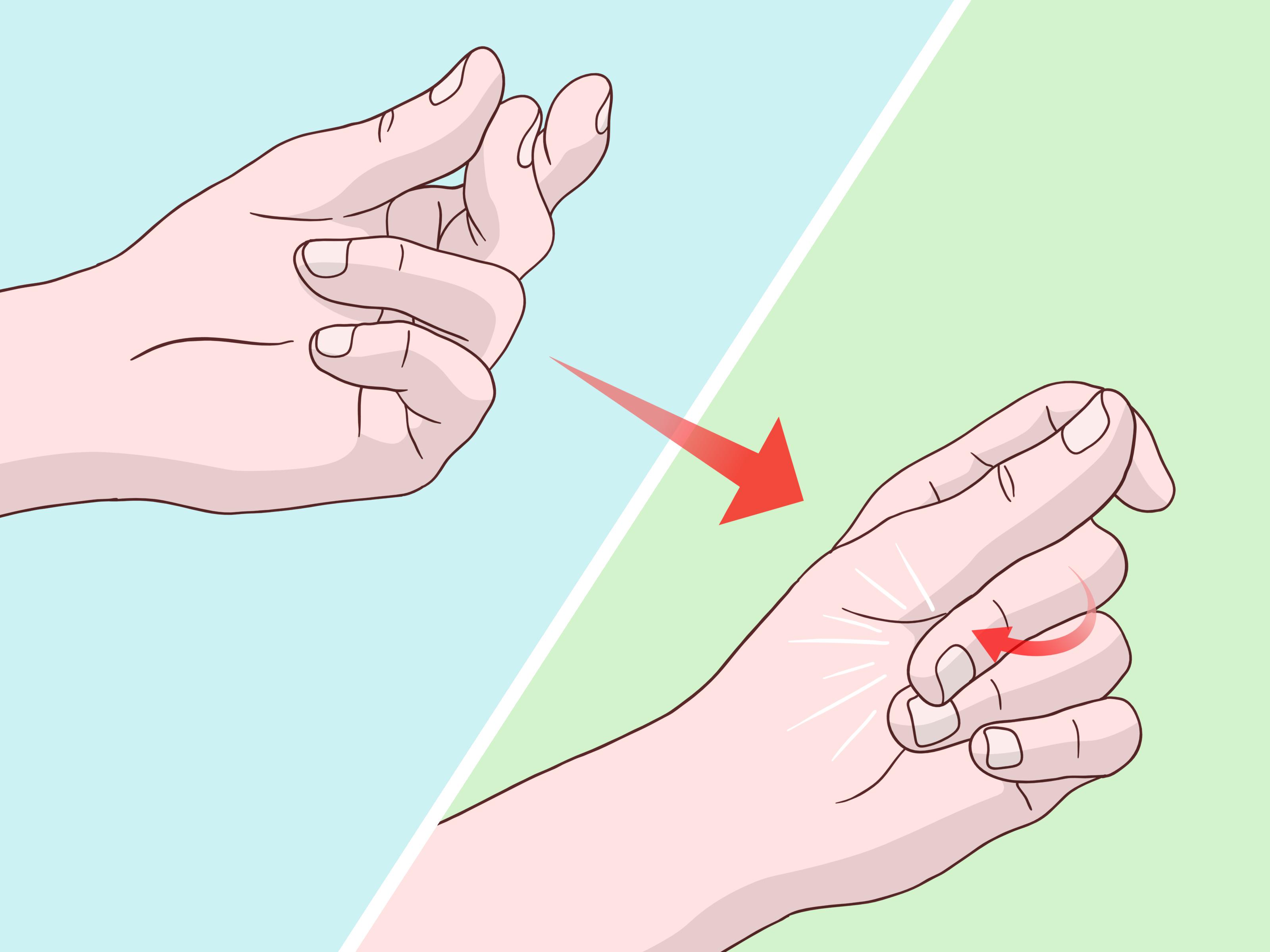
The Jonas Snap is a stylized finger snap associated with Jonas Brothers fandom and early internet pop culture. At its core, it is still a finger snap: your middle finger presses against your thumb, then slides down sharply so it hits the base of your palm and creates that crisp snapping sound. What makes it feel “Jonas” is the presentation. Fans have historically treated it like a cheeky, dramatic, slightly exaggerated move with just enough confidence to make it memorable.
So yes, technique matters. But so does vibe. If your fingers do the motion correctly and your face looks like you are solving a tax problem, the effect is not quite the same. The best Jonas Snap has a little rhythm, a little swagger, and a lot of commitment.
Before You Start: A Few Quick Tips
Before jumping into the nine steps, set yourself up for success. Dry fingers usually snap more cleanly than slippery ones. If your hands are super moisturized, sweaty, or fresh out of a heroic battle with hand lotion, you may get more “soft thud” than “snap.” You also want relaxed fingers. Tension makes the motion awkward and can leave your hand feeling annoyed with you.
One more thing: do not force it. A snap should feel quick and controlled, not painful. If your fingers hurt, pause, reset, and try again with less pressure. The goal is a crisp sound and smooth motion, not an injury story you tell at brunch.
How to Do the Jonas Snap: 9 Steps
Step 1: Relax Your Dominant Hand
Start with your dominant hand hanging naturally at your side or held comfortably in front of you. Shake it out once if you feel stiff. A relaxed hand moves faster and cleaner than a tense one. This matters because the Jonas Snap depends on a quick release, not brute force. If your hand looks like it is auditioning for a stress-ball commercial, loosen up.
Step 2: Place Your Thumb and Middle Finger Together
Bring the tip or pad of your middle finger to your thumb. This is the core contact point of the snap. Some people naturally use the ring finger, but the middle finger usually gives you better control and a louder result. Press them together firmly enough to create friction, but not so hard that your hand feels cramped.
Step 3: Let Your Index Finger Float Naturally
Your index finger does not need to do much here. Let it rest slightly forward and relaxed. It should not clamp down on the thumb or try to help too much. A lot of beginners accidentally make their hand too rigid by involving every finger like they are building IKEA furniture without instructions. Keep it simple.
Step 4: Curl Your Ring Finger and Pinky Slightly Inward
Gently curve your ring finger and pinky toward your palm. They help create the shape of the hand that supports the snap. You do not need to squeeze them tightly. Just let them form a natural landing zone so the middle finger has somewhere to strike after release. That impact is what helps create the sound.
Step 5: Build a Little Friction
Rub the thumb and middle finger together once or twice to feel the contact. Then hold them in place. The Jonas Snap works because your middle finger slides off the thumb with speed. No friction means no clean release. Too much tension means the motion turns clunky. You are looking for that sweet spot where the finger feels loaded like a tiny spring.
Step 6: Slide the Middle Finger Down Fast
This is the big moment. Quickly drive the middle finger downward so it slips off the thumb and strikes the fleshy part of your palm near the base of your thumb. That impact creates the snapping sound. The magic is in the speed. A slow motion gives you a sad little whisper. A fast motion gives you the crisp pop you want.
Step 7: Keep the Motion Tight and Clean
Do not fling your whole arm, shoulder, or soul into it. The movement should be compact. Most of the action comes from the fingers, with a tiny bit of wrist freedom if that feels natural. A tight motion looks cooler and sounds sharper. It also helps the snap feel intentional, which is important if you want the move to read as stylish instead of accidental.
Step 8: Add a Bit of Rhythm or Drama
Now turn the plain snap into the Jonas Snap. Add timing. Snap at the end of a sentence. Snap on the beat of a song. Pair it with a small head tilt, a grin, or a mock-serious expression. The trick is not to overact. You are seasoning the move, not turning it into community theater. A little flair goes a long way.
Step 9: Practice Until It Feels Effortless
Your first few attempts may sound weak or feel weird. That is normal. The Jonas Snap is a coordination trick more than a strength move. Practice in short bursts. Focus first on getting a consistent sound, then on making it look relaxed and confident. Once it clicks, you will wonder why your hand could not figure this out sooner.
Common Mistakes That Ruin the Snap
Using the whole arm: This is a snap, not a baseball pitch. Big arm movement makes the gesture look messy.
Pressing too hard: Too much pressure slows the release and can make your fingers sore.
Keeping the hand too flat: If your palm is too open, the middle finger does not land well, and the sound gets weaker.
Expecting instant perfection: Some people learn in two minutes. Others need a few practice sessions. Your fingers are not failing you. They are negotiating.
How to Make the Jonas Snap Look Better
If you want the move to feel polished, think about posture and timing. Stand or sit upright, keep your shoulders loose, and let the snap happen at a natural point in the moment. The coolest snaps usually come after a punchline, during a beat drop, or as a playful reaction. Randomly snapping every five seconds makes you look less like a pop-culture icon and more like a human metronome with no off switch.
You can also practice in front of a mirror. Not because vanity is required, although the Jonas aesthetic would not exactly object, but because it helps you see whether the move looks smooth. A good Jonas Snap reads as quick, clean, and confident.
Can Everyone Learn It?
Most people can learn some version of it with practice, though some hands naturally pick it up faster than others. Finger flexibility, skin dryness, and coordination all play a role. If one hand refuses to cooperate, try the other. Plenty of people discover they are surprise left-handed snappers and did not know it.
If you have hand pain, swelling, numbness, or an existing finger or wrist issue, it is smart to take it easy. A novelty snap is not worth irritating a joint or tendon. Practice briefly, stop if it hurts, and do not treat discomfort like a challenge from the universe.
Why the Jonas Snap Still Has Pop-Culture Charm
The reason this move still gets attention is simple: it lives at the intersection of fandom, nostalgia, and easy-to-copy showmanship. The Jonas Brothers became a major force in American pop culture through music, Disney projects, teen fandom, and later a high-profile reunion that brought a whole new wave of attention. That kind of cultural footprint gives even tiny gestures a longer life than anyone expects.
And that is part of the fun. The Jonas Snap is not a sacred art form passed down by hand-motion monks on a mountaintop. It is a playful internet-era move that lets fans imitate a feeling as much as a technique. It is expressive, a little dramatic, and just ridiculous enough to be memorable. Honestly, that is a strong résumé for any pop-culture gesture.
Conclusion
Learning how to do the Jonas Snap comes down to three things: hand position, quick release, and confidence. Put your thumb and middle finger together, keep the rest of your hand relaxed, slide the middle finger down fast, and let it strike your palm cleanly. Once you can make the sound consistently, add a little rhythm and personality. That is when the move stops being a basic finger snap and starts feeling like the real thing.
The best part is that the Jonas Snap is simple enough for beginners but expressive enough to be fun once you get good at it. Practice a little, laugh at the awkward attempts, and do not overcomplicate the motion. This is supposed to be playful. If you end up feeling 12 percent cooler after mastering it, that is between you and your mirror.
Experiences Related to “How to Do the Jonas Snap: 9 Steps”
One of the funniest things about learning the Jonas Snap is how dramatic the journey can feel for such a tiny hand movement. At first, most people assume it will be easy. You put your fingers together, flick them, and voilà, instant pop-star energy. Then reality strolls in wearing sunglasses and says, “Actually, no.” The first few tries usually sound like a light tap on a sandwich bag. There is no snap, no sparkle, no cinematic payoff. Just confusion.
That early frustration is almost part of the experience. You start analyzing your own hand like it is a malfunctioning gadget. Is the thumb too stiff? Is the middle finger too slow? Is the palm too flat? Suddenly you are running diagnostics on your fingers as if you work in a tiny hand-based laboratory. But then, after a few tries, one clean snap happens. It is sharp, quick, and satisfying. And just like that, your brain decides you are ready for a world tour.
Another common experience is that the move becomes weirdly addictive to practice. Once people get even one good snap, they want another. Then another. Then they start testing angles, timing, and style. You will see people trying it while listening to music, watching TV, or standing in the kitchen waiting for water to boil. It becomes less about learning a gesture and more about chasing consistency. You want that same crisp sound every single time, and suddenly your casual pop-culture experiment has turned into a tiny skill mission.
There is also the social side of it. The Jonas Snap is the kind of move that invites reactions. If you do it well in front of friends, someone will usually laugh, ask you to do it again, or immediately try it themselves. If they cannot get it right, the room transforms into a mini finger-snap workshop full of failed attempts and overconfident coaching. There is always one person who claims they can do it perfectly and then produces a noise that sounds like a disappointed moth.
For longtime fans of early Jonas Brothers culture, learning the move can also feel strangely nostalgic. It taps into a very specific kind of memory: the era of teen magazines, Disney soundtracks, fan videos, and internet moments that spread because they were fun more than polished. The gesture itself is small, but it carries that larger feeling of playful fandom. It is a reminder that pop culture used to thrive on these tiny habits and jokes that fans could copy, repeat, and make their own.
And then there is the confidence factor. Once someone finally gets the snap down, the motion often changes their whole attitude. They stand a little straighter. They deliver a joke and punctuate it with the snap. They start using it as a reaction move, a beat marker, or a dramatic finish to a sentence that absolutely did not need a dramatic finish. Does it make life objectively better? Science may hesitate. Does it make ordinary moments slightly more entertaining? Absolutely.
In the end, the real experience of learning the Jonas Snap is not just about mastering finger placement. It is about the small comedy of trial and error, the satisfaction of getting the sound right, and the fun of turning a basic motion into a little performance. It is one of those oddly specific skills that serves almost no practical purpose, yet somehow feels worth learning anyway. Which, honestly, may be the most Jonas part of all.
SEO Tags