
Your early teen years can feel like someone pressed “shuffle” on your life. One day you are perfectly happy eating cereal in pajamas and watching cartoons; the next day you are thinking about friendships, school pressure, your future, your face, your voice, your height, your outfit, your group chat, and whether your hair has declared independence. Welcome to early adolescence: exciting, awkward, powerful, confusing, and surprisingly funny when you stop expecting it to be perfect.
Learning how to enjoy your early teen years is not about becoming popular, looking flawless, or having a movie-style life with perfect lighting and a dramatic soundtrack. It is about building confidence, trying new things, making healthy choices, learning who you are, and creating memories that do not depend on likes, trends, or other people’s opinions. These years are a bridge between childhood and older teenage life. Cross it with curiosity, humor, patience, and a backpack that does not contain three months of forgotten snacks.
Why the Early Teen Years Matter
Early teen years, usually around ages 11 to 14, are full of changes. Your body grows, your brain becomes better at complex thinking, your friendships become more important, and your independence starts asking for the microphone. You may want more privacy, more choices, and more respect. At the same time, you still need guidance, support, structure, and someone who can remind you that a math test is not the end of civilization.
The good news is that these years are not just “the awkward phase.” They are a training ground for identity, resilience, creativity, empathy, and responsibility. You are learning how to make decisions, solve problems, handle emotions, communicate with others, and recover when things do not go your way. That is a big deal. Even if your biggest current problem is choosing a profile picture, your brain is quietly building life skills in the background.
Start With One Simple Goal: Be Interested in Your Own Life
Many early teens spend too much energy asking, “Do people like me?” A better question is, “What kind of life do I want to build?” You do not need a perfect answer. You only need curiosity. Try noticing what makes you feel energized, calm, proud, or excited. Maybe it is drawing, basketball, robotics, dance, cooking, coding, reading fantasy novels, helping younger kids, organizing your room, writing stories, taking photos, or learning random facts about sharks. All of these count.
Enjoyment grows when you participate in life instead of only watching it happen. Join a club. Try a school activity. Volunteer for something small. Learn an instrument badly before you learn it well. Make pancakes that look like abstract art. Your early teen years are the perfect time to experiment because you are not supposed to have everything figured out. Nobody expects a 13-year-old to arrive with a five-year business plan and a matching blazer.
Build Friendships That Feel Safe, Not Stressful
Friendships can be one of the best parts of early teen life. They can also feel like a complicated group project where nobody read the instructions. A good friendship should make you feel included, respected, and free to be yourself. You should not have to act mean, hide your interests, break rules, or become a totally different person just to stay in the group.
How to Spot a Healthy Friendship
A healthy friend listens, shares, apologizes, respects your boundaries, and celebrates your wins without turning everything into a competition. You can laugh together, disagree without exploding, and survive a few quiet moments without panicking. A healthy friendship does not require you to reply to messages within 12 seconds like you are working at a teen customer service desk.
How to Handle Friendship Drama
Drama happens, but it does not have to become your full-time job. Before reacting, pause. Ask yourself: “Is this a misunderstanding, a pattern, or just a bad day?” If someone hurts your feelings, try using clear language: “I felt left out when that happened,” or “I do not like being joked about that way.” If a friendship becomes cruel, controlling, or exhausting, it is okay to step back. Peace is not boring. Peace is underrated, like clean socks.
Take Care of Your Body Without Becoming Weird About It
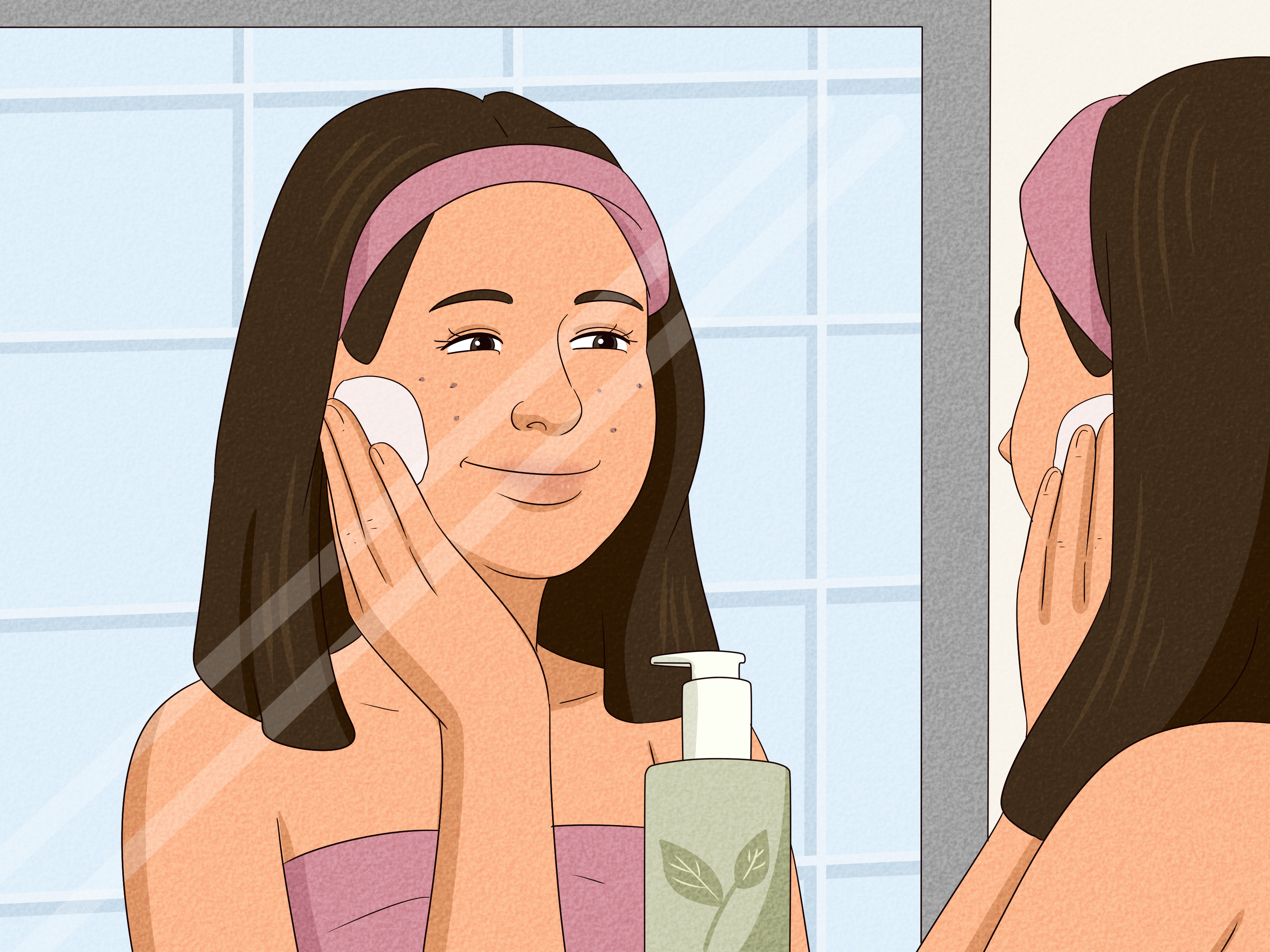
Your body is changing quickly during the early teen years. Some people grow taller overnight. Some get acne. Some feel clumsy. Some feel hungry every 18 minutes. Some compare themselves to everyone else and wonder why their own body did not receive the same software update. Here is the truth: bodies develop at different speeds, and comparison is a terrible coach.
Enjoying your early teen years means treating your body like a teammate, not an enemy. You do not need extreme diets, punishing workouts, or influencer-level routines. You need basics that actually work: enough sleep, daily movement, balanced meals, water, hygiene, and kindness toward yourself.
Move Because It Feels Good
Physical activity helps your mood, energy, sleep, and confidence. That does not mean you must become a sports legend. Walking, biking, dancing in your room, playing soccer, swimming, skating, martial arts, jump rope, or active games all count. The best exercise is the one you will actually do without needing a motivational speech from a superhero.
Eat to Fuel Your Brain and Growth
Food is not just about looking a certain way. It helps your brain focus, your muscles grow, your bones strengthen, and your mood stay steadier. Aim for variety: fruits, vegetables, grains, protein foods, and dairy or fortified alternatives. This does not mean pizza is banned from your life and broccoli is your new legal guardian. It means most meals should give your body useful fuel, while treats can still be treats.
Protect Your Sleep Like It Is a VIP
Sleep is one of the most powerful tools for enjoying your early teen years. When you sleep well, your brain learns better, your emotions feel less explosive, and your body has time to grow and recover. When you do not sleep enough, everything becomes more dramatic. A mildly annoying comment can suddenly feel like a historical betrayal.
Try creating a bedtime routine that helps your brain slow down. Charge your phone away from your bed if possible. Keep your room dark and comfortable. Avoid scrolling until your eyes become rectangles. Go to bed and wake up around the same times when you can. If you often cannot sleep, feel exhausted during the day, or stay up because of stress, talk with a parent, guardian, school counselor, or healthcare professional.
Use Technology Without Letting It Use You
Phones, games, videos, and social media can be fun, creative, and useful. They can help you learn new skills, stay connected with friends, and discover communities that share your interests. But technology can also steal time, sleep, focus, and confidence if you let it run the whole show.
A smart approach is to ask, “How do I feel after using this?” If a platform makes you laugh, learn, and connect, great. If it makes you compare your appearance, worry about being left out, lose sleep, or feel worse about your life, that is useful information. You do not have to delete everything and live in a cave with a candle. You can set app limits, turn off unnecessary notifications, unfollow accounts that make you feel bad, and keep some parts of life offline.
Try the “Real Life First” Rule
Before a long scroll, do one real-life thing: finish homework, take a walk, drink water, talk to someone at home, practice a hobby, or clean one tiny area of your room. Not the whole room. We are being realistic. Start with the chair that has become a clothing museum.
Make School Easier by Staying Connected
School is not only about grades. It is also where you practice responsibility, communication, teamwork, and problem-solving. You do not have to love every subject. Very few people wake up cheering, “Fantastic! Fractions!” But you can make school less stressful by building routines and connections.
Find at least one adult at school you can talk to: a teacher, counselor, coach, librarian, or club advisor. Feeling connected at school can support mental well-being, attendance, and motivation. Also, do not underestimate simple habits: write down assignments, break big projects into smaller steps, ask questions early, and keep your backpack from becoming an archaeological site.
How to Handle Academic Pressure
Grades matter, but they are not your entire identity. A bad quiz does not mean you are doomed. It means you need a new strategy. Ask: Did I understand the material? Did I study in a useful way? Did I wait until the last possible second and hope the textbook would communicate through vibes? Learn from the result, adjust, and keep going.
Learn How to Handle Stress Before It Handles You
Early teen stress can come from school, friendships, family changes, body image, social media, sports, or simply feeling overwhelmed. Stress is normal, but constant stress should not be ignored. You deserve support, not a silent battle inside your head.
Build a small stress toolkit. Try journaling, music, deep breathing, stretching, prayer or reflection if that fits your beliefs, talking to a trusted person, spending time outside, or doing something creative. Sometimes the best solution is not “think harder.” Sometimes it is “eat something, sleep, and talk to a human.”
When to Ask for Help
Ask for help if sadness, fear, anger, worry, bullying, loneliness, or stress starts affecting your sleep, appetite, schoolwork, friendships, or daily life. Getting help is not weakness. It is maintenance. Even phones need updates; humans need support.
Say Yes to Hobbies, Skills, and Small Adventures
One of the best ways to enjoy your early teen years is to collect experiences instead of only collecting opinions. Try something because it sounds interesting, not because it looks impressive. Learn to cook one meal. Read a book outside your usual genre. Make a playlist for different moods. Start a tiny garden. Learn basic photography. Try a sport you are not already good at. Write a short story. Build something. Fix something. Create something.
Hobbies give you confidence because they prove you can improve with practice. They also give you a break from school pressure and social comparison. You do not need to be amazing at every hobby. Being bad at something new is not embarrassing; it is the entry fee.
Get Along With Family While Becoming More Independent
During early teen years, you may want more freedom. Your family may want more proof that you can handle it. This is where communication helps. Instead of only saying, “You never let me do anything,” try asking, “What can I do to earn more trust?” That question sounds mature because it is mature. Warning: adults may be shocked and need a moment to recover.
Show responsibility in small ways. Finish chores. Be honest about plans. Follow agreed rules. Apologize when needed. Respect privacy and ask for the same. Independence grows when people see that you can handle choices, not when you argue louder than everyone else in the kitchen.
Practice Confidence Without Pretending to Be Perfect
Real confidence is not walking into every room thinking you are better than everyone. Real confidence is walking into a room knowing you do not have to become someone else to belong. You can be quiet and confident. Funny and confident. Nerdy and confident. Sporty and confident. Creative and confident. Still figuring things out and confident.
Confidence grows from keeping promises to yourself. Study when you said you would. Practice your skill. Tell the truth. Wear what feels like you. Speak kindly to yourself. Stand up for someone. Try again after a mistake. These small actions build self-respect, and self-respect is stronger than popularity.
Be Kind, But Keep Boundaries
Kindness makes early teen life better. Compliment people. Include someone sitting alone. Avoid sharing screenshots meant to embarrass others. Do not turn someone’s mistake into entertainment. Everyone is growing, and everyone has awkward moments. Today it is them; tomorrow it might be you walking into the wrong classroom with heroic confidence.
But kindness does not mean letting people mistreat you. Boundaries are healthy. You can say no. You can leave a conversation. You can refuse to share private information. You can tell an adult if something feels unsafe. Being nice and being a doormat are not the same thing.
Enjoy the Moment Without Rushing to Grow Up
It is natural to look ahead. You may think about high school, dating, driving, college, work, money, or who you will become. Dreaming is good. Rushing is not required. Your early teen years have their own value. You are allowed to enjoy simple things: sleepovers, bike rides, silly jokes, school events, favorite snacks, family traditions, video games, books, sports, music, and laughing so hard you forget what started it.
Growing up does not mean abandoning fun. It means learning how to choose fun that does not harm you, disrespect others, or create future problems. The goal is not to be older as fast as possible. The goal is to become more yourself, one wise and occasionally awkward step at a time.
Extra Experiences: Real-Life Ways to Enjoy Your Early Teen Years
Think of your early teen years as a personal discovery season. Not a final exam. Not a popularity contest. More like a giant sample platter where you get to taste different versions of your life and decide what fits. One helpful experience is creating a “try list” instead of a bucket list. A bucket list can feel huge and dramatic, like you need to climb a mountain or meet a celebrity. A try list is simple: try a new club, try making a smoothie, try talking to someone new at lunch, try reading before bed for a week, try cleaning your desk, try learning three chords on guitar, try saying “I need help” instead of pretending everything is fine.
Another experience that can make these years better is building small traditions. Maybe every Friday you watch a movie with your family. Maybe every Sunday you plan outfits and homework for the week. Maybe you and a friend trade music recommendations. Maybe you keep a notebook of funny things people say. These tiny rituals become memories later. You may not remember every grade you got on every assignment, but you might remember laughing with your best friend because both of you tried to bake cookies and somehow created edible doorstops.
Spending time outside can also change your mood more than you expect. You do not need a national park. A neighborhood walk, a basketball court, a backyard, a local field, or a quiet bench can help you reset. When life feels crowded with notifications, homework, and opinions, being outside reminds you that the world is bigger than one awkward moment or one group chat.
It also helps to document your life in a private way. Take photos for yourself, not just for posting. Write down what you are learning. Record goals, jokes, favorite songs, books, and moments you are proud of. Your future self will love seeing proof that you were growing, trying, and surviving even on days when you felt unsure.
Finally, practice choosing your own values. Decide what kind of person you want to be when nobody is clapping. Honest? Creative? Brave? Loyal? Curious? Calm? Helpful? You will not live those values perfectly every day. Nobody does. But when you know what matters to you, choices become clearer. You can enjoy your early teen years more because you are not just copying the crowd. You are building a life that actually feels like yours.
Conclusion
Learning how to enjoy your early teen years starts with accepting that this stage is supposed to be a little messy. You are changing, learning, experimenting, and discovering what makes you feel alive. Focus on healthy friendships, good sleep, movement, balanced food, school connection, digital boundaries, hobbies, family communication, and self-respect. Do not wait until everything is perfect to enjoy your life. Perfect is boring anyway, and it usually has terrible Wi-Fi.
Your early teen years are not just something to “get through.” They are years to explore, laugh, learn, make mistakes, recover, and grow into yourself. Be patient with your body, kind to your mind, careful with your choices, and open to new experiences. The best version of these years is not the one that looks coolest online. It is the one that helps you feel stronger, happier, and more honestly you.
Note: This article is for educational and lifestyle purposes. If a teen is dealing with ongoing sadness, anxiety, bullying, unsafe situations, sleep problems, or major stress, they should speak with a trusted adult, school counselor, doctor, or mental health professional.