
Few modern mysteries are as tiny yet suspicious as a text from an unknown number. One minute you are minding your own business, deciding whether leftover pizza counts as breakfast. The next, your phone buzzes with: “Hey, are we still meeting today?” No name. No context. Just digital chaos in a bubble.
Knowing how to respond to a text from an unknown number is not just about avoiding awkward conversations. It is also about protecting your privacy, your money, your accounts, and your peace of mind. Unknown texts can be harmless wrong-number messages, old acquaintances with new phones, delivery updates, school or work reminders, marketing messages, or full-blown scams wearing a fake mustache.
The smart move is not panic. It is also not immediately replying, “Who dis?” with the confidence of a detective in sweatpants. The best response depends on what the message says, whether it contains links, whether it asks for personal information, and whether the sender seems legitimate. This guide breaks down what to do, what not to do, and how to stay polite without accidentally opening the door to scammers.
Why Unknown Number Texts Deserve a Careful Response
Text messages feel personal. They land in the same app where your family, friends, coworkers, classmates, and favorite pizza place all live together in one chaotic little neighborhood. That is exactly why scammers love them. A text can feel urgent, casual, official, or friendly with only a few words.
Some unknown texts are harmless. A person may have typed one digit wrong. A new doctor’s office may be confirming an appointment. A school, bank, delivery company, or workplace system may send automated notices. But suspicious texts can also be smishing, which is phishing by SMS or messaging apps. These scams try to trick you into clicking links, sharing login codes, sending money, or revealing personal information.
The biggest danger is that replying can confirm your number is active. Once a scammer knows a real human is on the other side, your number may become more valuable for future spam. That does not mean every unknown text must be treated like a raccoon in your kitchen, but it does mean you should slow down before responding.
First Rule: Do Not Click Links in Unexpected Texts
If a text from an unknown number contains a link, pause. Put your thumb in time-out. Links in scam texts often lead to fake login pages, fake package tracking pages, fake toll payment sites, fake bank alerts, or forms designed to steal personal data. Some links may also try to install malicious software or push you toward a payment page.
Common suspicious messages include:
- “Your package cannot be delivered. Confirm your address here.”
- “Your bank account has been locked. Verify now.”
- “You owe unpaid tolls. Pay today to avoid penalties.”
- “You won a prize. Claim it before midnight.”
- “Your tax refund is pending. Click to receive payment.”
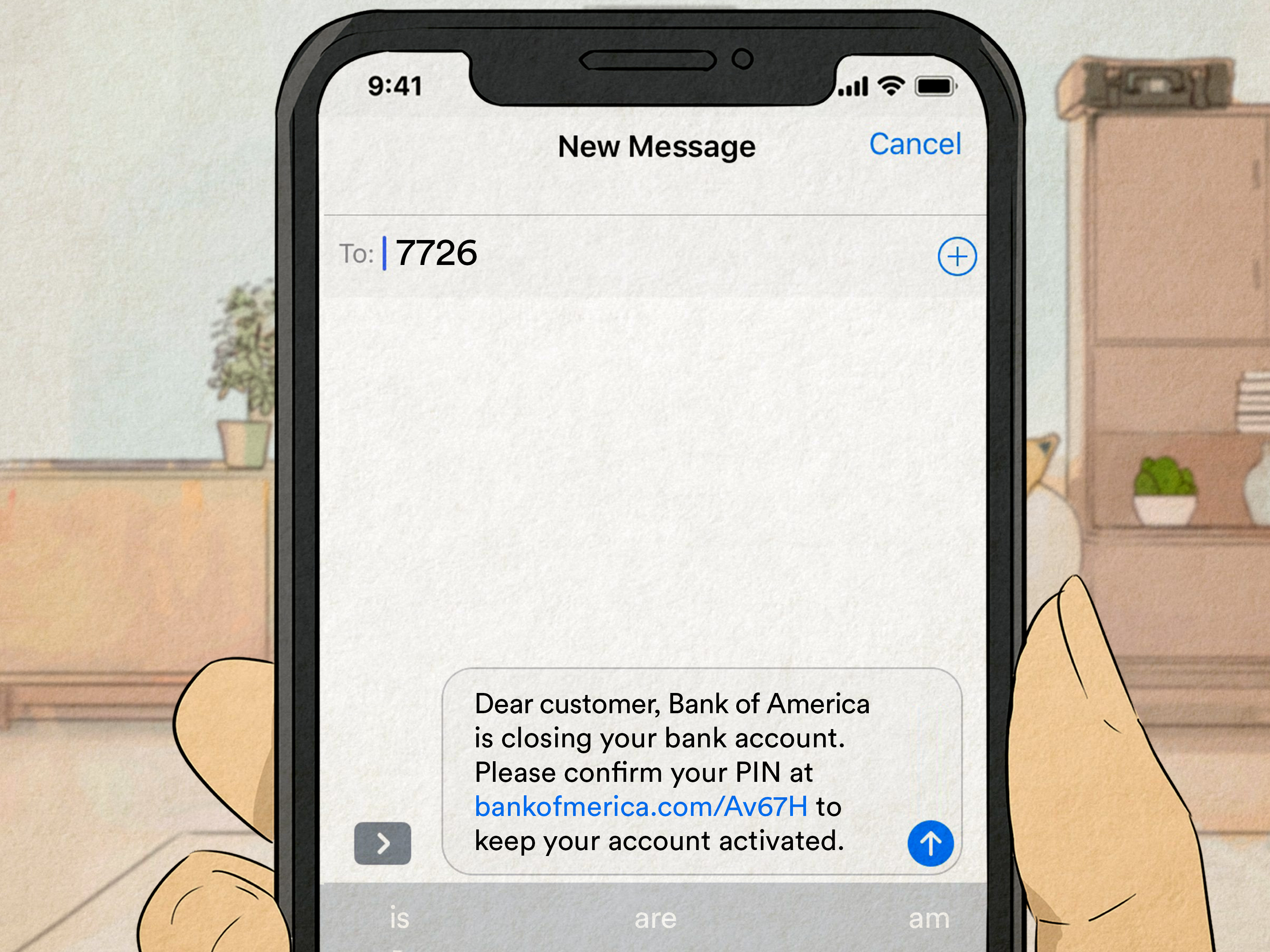
- “Your account will be closed unless you confirm your details.”
These messages are designed to create urgency. Scammers know that when people feel rushed, they make faster decisions and fewer snack breaks for critical thinking. If the message claims to be from a bank, delivery service, government agency, or company, do not use the link in the text. Go directly to the official website or app yourself, or call a verified phone number from the company’s real website.
How to Respond to a Text from an Unknown Number Safely
The safest response is often no response at all. But there are situations where a careful reply may be reasonable. The trick is to respond without giving away personal details, confirming too much, or engaging with suspicious behavior.
1. Read the Message Carefully Before Doing Anything
Start by looking at the content. Does the sender know your name? Are they referencing something specific you recognize? Is the message written like a normal person, or does it sound like a robot swallowed a coupon book?
A legitimate message may say something specific, such as, “Hi Jordan, this is Dr. Lewis’s office confirming your appointment at 3 p.m. Tuesday.” A suspicious message may be vague: “Hello dear, your account has a problem. Kindly click immediately.” That second one is wearing scam shoes.
Look for red flags: strange grammar, urgent demands, links, requests for money, requests for verification codes, emotional pressure, threats, or messages that seem too good to be true. If the text asks for passwords, Social Security numbers, bank details, one-time passcodes, gift cards, cryptocurrency, or personal photos, do not respond.
2. Ask a Neutral Question Only if the Text Seems Harmless
If the message looks like a genuine wrong number or someone you might actually know, keep your reply short and neutral. Do not reveal your name, location, workplace, school, schedule, or personal situation.
Safe example responses include:
- “Hi, who is this?”
- “I think you may have the wrong number.”
- “Can you identify yourself?”
- “I do not recognize this number. What is this regarding?”
Notice what these replies do not say. They do not say, “This is Emma, I live in Denver, and I am free after school.” They do not hand over a biography. They simply ask for context.
3. Do Not Reply to Suspicious, Salesy, or Pushy Texts
If the text is clearly spam, do not reply. Even “STOP” can be risky when the sender is not a legitimate company. For real businesses, STOP can unsubscribe you from marketing texts. For scammers, it may simply confirm that your number works.
Suspicious texts should be reported, blocked, and deleted. Many phones have built-in “Report Junk” or “Report Spam” options. You can also forward suspicious texts to 7726, which spells SPAM on a phone keypad. This helps mobile carriers identify and block similar messages.
What to Do Based on the Type of Unknown Text
Not every unknown number deserves the same treatment. A mystery “hey” is different from a fake bank alert. Here is how to handle the most common types.
If It Says “Wrong Number”
A simple wrong-number text might be innocent. Someone may genuinely be trying to reach their cousin, plumber, dentist, study partner, or friend who apparently changed numbers without telling anyone. A brief “I think you have the wrong number” is usually fine if the message seems normal.
However, wrong-number scams have become more common. These messages often begin casually, then try to continue the conversation after you correct them. The sender may become overly friendly, ask personal questions, mention investing, suggest moving to another messaging app, or build trust over several days. That is your cue to exit the chat like you just remembered you left soup on the stove.
Use this response once if the message seems harmless:
Example: “I think you have the wrong number. Take care.”
If they keep texting, block them.
If It Claims to Be Your Bank
Bank-related texts deserve extra caution. Real banks may send fraud alerts, but scammers also impersonate banks because money is the point of many scams. Never click a banking link from an unexpected text. Never reply with account numbers, PINs, passwords, or verification codes.
Instead, open your banking app directly or call the number on the back of your card. If there is a real problem, you will see it through official channels. If there is no problem, congratulations: you just avoided becoming the main character in a financial horror story.
If It Claims to Be a Delivery Company
Package delivery scams are everywhere, especially around holidays and major shopping seasons. A fake text may claim your address is incomplete, your package is stuck, or you must pay a tiny redelivery fee. The fee may look small, but the goal is often to steal your card information.
Do not click the link. Go to the retailer’s website, the official delivery company website, or the original order confirmation email. If the tracking number is real, you can verify it there.
If It Claims to Be the IRS or a Government Agency
Be extremely skeptical of texts claiming to be from the IRS, law enforcement, immigration offices, courts, or other government agencies. Scammers often use fear because fear makes people move quickly. They may threaten arrest, fines, account closure, or legal action. Real agencies do not demand payment through random text links, gift cards, or suspicious payment apps.
If a government-related message seems possible, search for the agency’s official website yourself and contact it through verified channels. Do not use the phone number or link inside the message.
If It Includes a Verification Code
A text with a verification code can mean someone is trying to access one of your accounts. If you did not request the code, do not share it with anyone. No legitimate support agent, friend, buyer, seller, or “security team” should ask you to send them your one-time code.
Change the password for the related account if you recognize which service sent the code. Turn on multi-factor authentication where possible. If the code keeps coming, check your account activity.
If It Feels Threatening or Harassing
If an unknown number sends threats, harassment, stalking messages, or repeated unwanted contact, do not argue. Save screenshots, block the number, and report it through your phone, carrier, school, workplace, platform, or local authorities as appropriate. If you are a minor, tell a trusted adult. Safety comes before politeness.
What Not to Say to an Unknown Number
When a random text appears, curiosity is powerful. Unfortunately, curiosity also once made people open mystery links and then spend three hours changing passwords. Avoid replies that reveal information or invite a longer conversation.
Do not say:
- “This is [your full name]. Who are you?”
- “I am at work right now.”
- “I live near that place.”
- “I am home alone.”
- “My bank is Wells Fargo/Chase/Bank of America.”
- “Here is the code I just got.”
- “Sure, send me the link.”
Your goal is to give away as little information as possible. Think of your personal data like the last slice of cake: not everyone gets access.
How to Verify an Unknown Text Without Replying
Verification is the grown-up version of “trust but verify,” except with fewer inspirational posters. Here are safer ways to check whether a message is real.
Use Official Apps and Websites
If the text says your account has a problem, open the official app yourself. Do not tap the text link. If the message claims to be from a delivery service, check your order history or tracking page directly.
Call a Known Number
Use a phone number from a bill, card, official website, or saved contact. Do not call the number inside the suspicious text. Scammers can set up fake support lines that sound professional enough to make you question your own refrigerator warranty.
Search the Exact Wording
Copy a suspicious phrase from the message and search it online. Many scam texts are reused thousands of times. If others have reported the same wording, you may find warnings from consumer protection agencies, companies, or scam trackers.
Ask the Person Through Another Channel
If the text might be from someone you know, contact them another way. For example, message them through a saved social media profile, call their old number, or ask a mutual friend. Do not assume a message is real just because it uses a familiar name.
How to Block and Report Unknown Texts
Blocking and reporting are not dramatic. They are digital housekeeping. Like taking out the trash, except the trash is pretending to be a toll road.
On iPhone
Open the message, tap the sender’s number or profile icon, choose the information option, and select the block option. If Apple shows “Report Junk,” use it. You can also turn on filtering for unknown senders in the Messages settings, which separates texts from people who are not in your contacts.
On Android
In Google Messages or many Android messaging apps, press and hold the conversation or open the message options. Choose “Block,” “Report spam,” or similar wording. Google Messages also offers spam protection settings that can help identify suspicious messages.
Forward to 7726
For suspicious texts, forward the message to 7726. Your carrier may reply asking for the sender’s number. This process helps carriers improve spam detection and block similar messages.
Report Fraud
If you lost money, shared personal information, clicked a suspicious link, or entered login details, take action quickly. Contact your bank or card issuer, change affected passwords, enable multi-factor authentication, monitor accounts, and report the scam to appropriate agencies such as the FTC or FBI’s Internet Crime Complaint Center.
Specific Examples: What Should You Text Back?
Sometimes the hardest part is wording. Here are safe examples for common situations.
When the Message Seems Like a Genuine Mistake
Reply: “I think you have the wrong number. Take care.”
This is polite, short, and final. It does not reveal who you are.
When You Think It Might Be Someone You Know
Reply: “I do not recognize this number. Who is this?”
If they answer clearly and you can verify them, continue normally. If they dodge the question, stop responding.
When It Mentions Money, Accounts, or Urgent Action
Reply: Do not reply.
Instead, check through official channels. Urgency is a favorite scam ingredient.
When It Says “Can You Do Me a Favor?”
Reply if it might be a real contact: “Who is this?”
If the sender claims to be a friend, boss, teacher, coach, or relative asking for gift cards, money, or codes, verify through another channel. Scammers often impersonate trusted people.
When It Is Flirty or Overly Friendly
Reply: “Wrong number.”
If they keep chatting, block them. A stranger who refuses to respect a clear correction is not charming. They are a notification with boundary issues.
Protecting Your Privacy Before Unknown Texts Arrive
Responding safely is important, but prevention helps too. Your phone number may end up in marketing databases, old account records, data breaches, online forms, public listings, or social media profiles. You cannot control everything, but you can reduce exposure.
Be selective about where you share your number. Avoid posting it publicly. Use privacy settings on social media. Consider using app-based verification or alternate contact methods when appropriate. Keep your phone software updated because updates often include security improvements. Use strong passwords and multi-factor authentication for important accounts.
Also, review app permissions. Some apps request contact or SMS access when they do not truly need it. If an app has no business reading your messages, revoke that permission. Your phone is not a community bulletin board.
When Replying Is Actually Okay
There are times when replying to an unknown number is reasonable. For example, a new coworker may be texting about a shift, a parent from a school group may be coordinating an event, or a medical office may confirm an appointment. The key is context.
Reply only when the message is specific, non-urgent, and does not ask for sensitive information. Even then, keep your first response limited. Ask for identification. Verify details independently if needed.
For example:
Unknown text: “Hi, this is Megan from the volunteer sign-up table. Are you still available Saturday at 10?”
Safe reply: “Hi Megan, thanks. Can you remind me which organization this is for?”
That response is friendly but cautious. It does not hand over private information. It simply asks for enough context to confirm the sender.
What to Do If You Already Replied
First, do not panic. Replying once does not automatically mean disaster. But if the conversation starts feeling strange, stop immediately. Do not click links, send money, share codes, download apps, or move the conversation to another platform just because the sender asks.
If you shared sensitive information, act based on what you shared. If you gave a password, change it immediately and enable multi-factor authentication. If you gave bank or card details, contact your financial institution. If you shared your Social Security number or other identity information, consider fraud alerts, credit monitoring, or a credit freeze. If you clicked a link, run a security check on your device and change passwords from a different trusted device if you suspect compromise.
Then block and report the number. The goal is not to feel embarrassed. Scams are designed to fool normal people, not just people who forgot coffee exists. The faster you respond with protective steps, the better.
Real-Life Experiences: Lessons from Unknown Number Texts
Most people eventually receive a text from an unknown number, and the experience usually falls into one of three categories: funny, annoying, or suspicious enough to make your eyebrows file a complaint.
One common experience is the harmless wrong number. A person texts, “Are you picking up the cake?” You reply, “Wrong number,” and both of you move on. Somewhere, perhaps, a cake is still waiting. These moments are mildly awkward but not dangerous. The safest approach is a short correction without extra conversation.
Another common experience is the package delivery text. It often arrives when you actually are expecting something, which is what makes it so sneaky. Maybe you ordered shoes, a phone case, or a birthday gift. Then a message says your package cannot be delivered unless you confirm your address. The timing feels convincing. But when you look closer, the link is odd, the wording is stiff, and the sender is a random number. The lesson is simple: scammers rely on coincidence. If millions of people are waiting for packages, a fake delivery text will feel real to plenty of them.
Bank alert texts create a similar problem. Imagine receiving a message that says, “Suspicious transaction detected. Reply YES or click here to cancel.” Your heart does a tiny backflip because nobody wants their bank account treated like a snack machine. But urgency is exactly the trap. The better move is to open your bank app directly or call the number printed on your card. If the alert is real, you can handle it safely. If it is fake, you just saved yourself a major headache.
Wrong-number friendship scams are more subtle. They may begin with a pleasant mistake: “Hi Lisa, are we still having lunch?” When you say they have the wrong number, the sender might reply, “Oh, sorry! You seem nice though.” That may sound harmless, but scammers sometimes use friendliness as bait. Over time, they may bring up investing, cryptocurrency, business opportunities, emergency expenses, or private conversations on another app. The experience teaches a valuable rule: strangers who try to build fast intimacy through a mistaken text deserve caution, not curiosity.
Students and younger phone users face another version: fake school, club, job, or scholarship messages. A text may claim there is a remote job opportunity, prize, grant, or urgent account issue. If the message asks for personal details, payment, login information, or a verification code, it is not an opportunity; it is a trap wearing a graduation cap. When in doubt, ask a trusted adult, teacher, school office, or official organization contact.
The most practical experience-based lesson is this: your first response sets the boundary. A short, neutral reply keeps you in control. No reply is even better for suspicious messages. Long replies create openings. Arguing with scammers wastes time. Joking with them may feel satisfying, but it can confirm your number is active. Blocking is not rude. It is efficient.
People often feel impolite ignoring messages. But unknown-number texting is one place where politeness should not outrank safety. You do not owe a stranger your attention, your information, or your emotional energy. A real person with a legitimate reason to reach you can identify themselves clearly. A legitimate company can be contacted through official channels. A scammer, however, needs you to act quickly, emotionally, and inside the little world of their message. Step outside that world, and the trick loses power.
The best habit is to treat unexpected texts like unexpected knocks at the door. You do not have to throw the door open because someone says, “Package problem!” You can look through the peephole, check the tracking yourself, and decide whether the visitor belongs there. Your phone deserves the same caution.
Conclusion: Respond Slowly, Verify Smartly, and Protect Your Peace
Learning how to respond to a text from an unknown number is really learning how to stay calm in a world full of digital interruptions. Some messages are innocent. Some are annoying. Some are scams hoping you will click first and think later.
The safest approach is simple: do not click unexpected links, do not share personal information, do not send verification codes, and do not let urgency make decisions for you. If the text seems legitimate, verify it through official channels. If it seems suspicious, report it, block it, and delete it. If it feels threatening, save evidence and get help.
Your phone is useful, but it should not be a tiny portal where strangers can pressure you on demand. A careful pause can protect your identity, your money, and your sanity. And honestly, your sanity has enough tabs open already.