
Important: If you or someone near you may be in immediate danger, call 911 now or go to the nearest emergency room. In the United States, you can call or text 988 for the Suicide & Crisis Lifeline, 24/7. You do not have to be “at the breaking point” to reach out. Crisis support is for the scary five-alarm moments and the quiet “I do not know what to do with these thoughts” moments, too.
Suicide ideation, more commonly called suicidal ideation, means having thoughts about death, suicide, or not wanting to be alive. These thoughts can be frightening, confusing, or strangely numb. They may be brief and passive, such as “I wish I would not wake up,” or active, such as thinking about ending one’s life. Either way, they deserve attention, compassion, and support.
This topic is serious, but talking about it does not have to feel like walking through a museum where every sign says “do not breathe.” Clear language helps. Shame does not. The goal is not to label someone as broken. The goal is to notice distress early, reduce danger, and connect people with care that actually helps.
What is suicide ideation?
Suicide ideation refers to thoughts, images, wishes, or plans related to suicide. It exists on a spectrum. Some people experience passive suicidal ideation, where they do not necessarily want to act but feel exhausted by life. Others experience active suicidal ideation, where thoughts include intent, planning, or preparation. Active thoughts are more urgent and require immediate support.
One common misunderstanding is that suicidal thoughts always look dramatic. In reality, many people continue going to school, answering emails, making dinner, laughing at memes, and appearing “fine.” The outside can look like a regular Tuesday while the inside feels like a room with the lights cut off.
Suicidal ideation is not a character flaw, a moral failure, or proof that someone is weak. It is usually a sign that pain has exceeded the person’s current coping capacity. With the right support, treatment, safety planning, and time, many people recover and rebuild a life that feels worth staying for.
Common symptoms and warning signs of suicide ideation
Emotional signs
Emotional warning signs may include hopelessness, feeling trapped, intense guilt or shame, unbearable sadness, rage, anxiety, numbness, or the belief that others would be better off without you. A person may say things like, “I cannot do this anymore,” “There is no point,” or “Everyone would be happier if I disappeared.” These statements should be taken seriously, even if they are said quietly or followed by, “I am just joking.”
Behavioral signs
Behavioral changes can include withdrawing from friends, sleeping far more or far less than usual, increased alcohol or drug use, giving away valued belongings, researching death-related topics, reckless behavior, missing work or school, saying goodbye in unusual ways, or suddenly becoming calm after a period of distress. That sudden calm can sometimes mean a person has made a dangerous decision, so it should not be dismissed as “they finally snapped out of it.”
Physical and daily-life signs
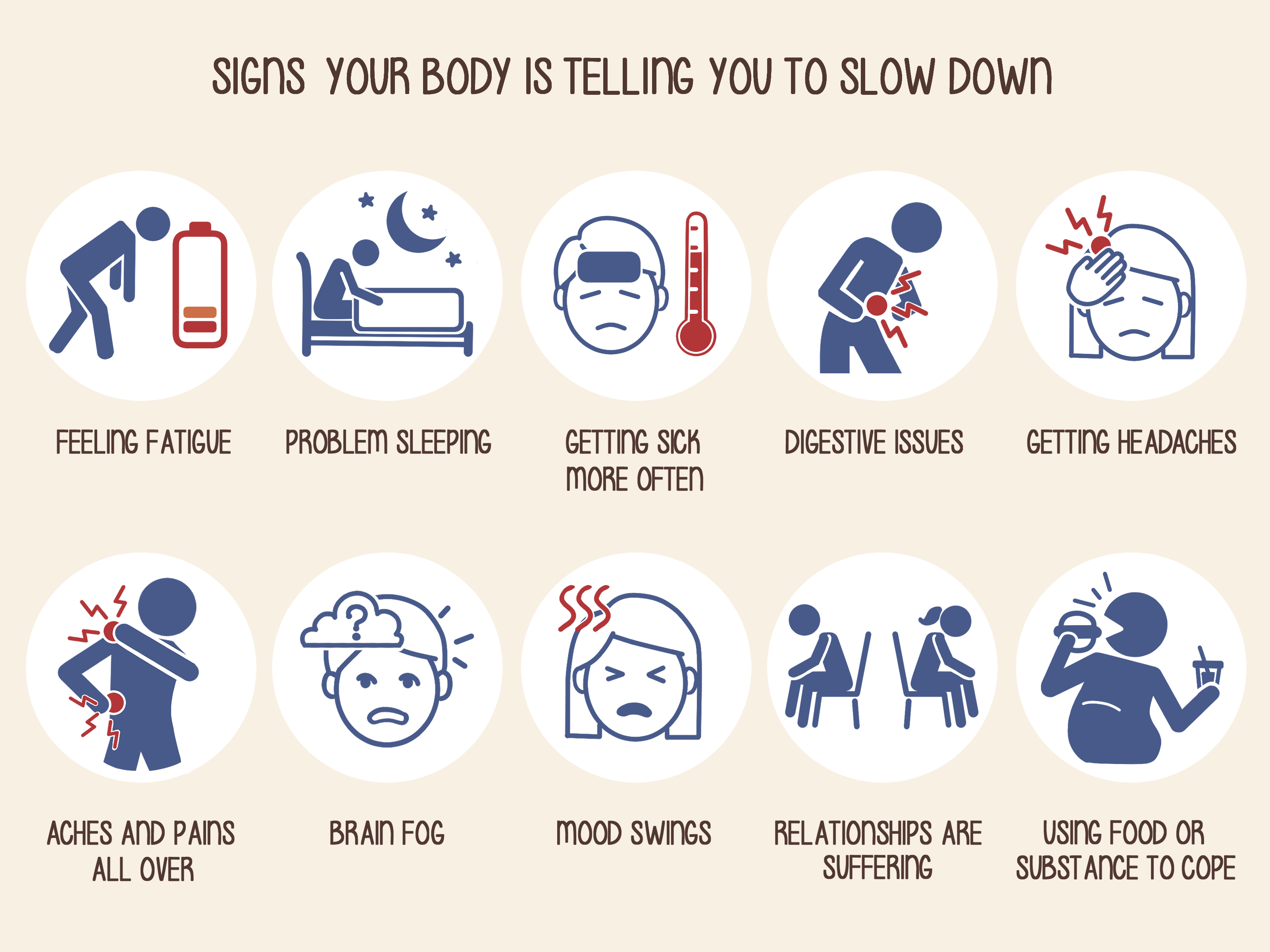
Suicidal ideation often overlaps with depression, anxiety, trauma, substance use, chronic pain, or severe stress. A person may experience low energy, appetite changes, headaches, stomach problems, panic symptoms, difficulty concentrating, or loss of interest in things that once mattered. The laundry pile may become Mount Everest. A text message may feel like an unpaid bill from the universe. Small tasks can feel impossible when the brain is overloaded.
Digital warning signs
Online behavior can also reveal distress. Posts about feeling useless, disappearing, being a burden, or “finally being done” may be cries for help. Sudden deletion of accounts, farewell-like messages, or sharing dark content after a major loss can be important signals. If a post worries you, reach out directly and contact emergency or crisis support if danger seems immediate.
What causes suicide ideation?
There is no single cause of suicidal ideation. It usually develops when several stressors, health issues, and personal vulnerabilities collide. Think of it less like one switch flipping and more like a power grid getting overloaded.
Mental health conditions
Depression is strongly associated with suicidal thoughts, but it is not the only condition involved. Anxiety disorders, bipolar disorder, post-traumatic stress disorder, eating disorders, substance use disorders, psychosis, and personality disorders can also increase risk, especially when untreated or poorly supported. The important point is this: mental health conditions are treatable. Symptoms can improve. The brain can stop lying so convincingly.
Trauma, loss, and major life stress
Trauma, abuse, bullying, discrimination, grief, divorce, job loss, financial crisis, legal problems, academic pressure, housing instability, and relationship conflict can all contribute to suicidal ideation. A breakup may not “cause” suicide by itself, but if it lands on top of depression, isolation, shame, and no support system, the risk can rise quickly.
Chronic pain and serious illness
Chronic pain, disability, sleep problems, and serious medical conditions can wear down hope over time. Pain does not only hurt the body; it can shrink the future. People living with long-term illness may need both medical care and emotional support, not motivational posters telling them to “stay positive” while their nervous system is throwing furniture.
Substance use
Alcohol and drugs can increase impulsivity, worsen depression, reduce problem-solving ability, and make suicidal thoughts more dangerous. This does not mean people who use substances are bad. It means the combination of emotional pain and impaired judgment can become risky very fast.
Access to lethal means
When someone is in crisis, distance and time matter. Safely storing or temporarily removing firearms, medications, sharp objects, or other dangerous items can save lives. This is not about punishment or mistrust. It is about creating a speed bump between a terrible moment and an irreversible outcome.
Who is at higher risk?
Anyone can experience suicide ideation, regardless of age, income, gender, education, religion, or personality type. Still, some factors increase risk. These include a previous suicide attempt, a family history of suicide, untreated mental illness, substance misuse, social isolation, exposure to violence, chronic pain, major losses, and lack of access to mental health care.
Some groups may face added risk because of stigma, discrimination, trauma, or barriers to care. This can include veterans, LGBTQ+ young people, people living in rural areas, people with disabilities, people experiencing homelessness, and communities affected by racism or historical trauma. Risk is not destiny. It is a sign that support should be easier to reach, not harder.
How to help someone with suicide ideation
Ask directly
One of the most helpful things you can do is ask directly: “Are you thinking about suicide?” This question does not plant the idea. It opens a door. Avoid dramatic reactions like gasping, lecturing, or launching into a TED Talk about gratitude. Stay calm, listen, and take the answer seriously.
Use simple, supportive language
Try saying: “I am really glad you told me,” “You do not have to handle this alone,” or “Let’s get through the next few minutes together.” These sentences are not magic spells, but they can lower shame. Shame thrives in silence. Support turns the lights on.
Do not leave the person alone if danger is immediate
If someone has a plan, intent, access to lethal means, or says they may act soon, treat it as an emergency. Stay with them if it is safe to do so, call 988 together, contact 911 if immediate danger is present, or take them to an emergency department. It is better to overreact with care than underreact with regret.
Reduce access to danger
When possible, calmly help create distance from anything that could be used for self-harm. This might mean asking a trusted person to hold medications, securing firearms away from the home, or moving dangerous objects out of reach. Keep the tone practical: “Let’s make tonight safer.” No courtroom voice required.
Prevention: what actually helps?
Build a safety plan
A safety plan is a written, step-by-step guide for what to do when suicidal thoughts intensify. It may include personal warning signs, coping strategies, people to contact, professional resources, and ways to make the environment safer. A good safety plan is specific. “Calm down” is not a plan. “Text Maya, sit in the living room, hold an ice cube, call 988, and give medications to Dad for the night” is much more useful.
Get professional treatment
Therapy, medication, substance use treatment, trauma-focused care, and medical support can all reduce risk. Cognitive behavioral therapy, dialectical behavior therapy, collaborative safety planning, and treatment for underlying conditions can help people manage suicidal thoughts and rebuild coping skills. If one therapist is not a fit, that does not mean therapy has failed. It may mean you need a different human with a better chair and a better approach.
Strengthen connection
Isolation is gasoline on a crisis. Connection is not a cure-all, but it is protective. Regular check-ins, peer support groups, faith communities, school counselors, family support, and trusted friends can help people feel less alone. Small contact counts: a walk, a meal, a message that says, “No need to reply, just reminding you I care.”
Protect sleep and routines
Sleep problems can make suicidal thoughts more intense. So can skipped meals, constant doom-scrolling, and living entirely on caffeine and emotional fumes. Basic routines do not solve everything, but they give the brain fewer fires to fight. Sleep, food, movement, medication consistency, and sunlight are not cute wellness decorations; they are part of crisis prevention.
Suicide ideation resources in the United States
- 988 Suicide & Crisis Lifeline: Call or text 988, or use online chat through the Lifeline website. Available 24/7 for mental health, substance use, emotional distress, and suicide crisis support.
- Emergency services: Call 911 if someone is in immediate physical danger or cannot stay safe.
- Veterans Crisis Line: Dial 988 and press 1, text 838255, or chat online. Veterans, service members, National Guard and Reserve members, and loved ones can use this support.
- The Trevor Project: Provides 24/7 crisis support for LGBTQ+ young people through phone, text, and chat services.
- Trans Lifeline: Offers peer support for trans and questioning people in the United States and Canada.
- Primary care doctor: A doctor can screen for depression, anxiety, substance use, sleep problems, pain, and medication issues.
- School or workplace support: Counselors, employee assistance programs, student health centers, and trusted supervisors can help connect people to care.
One practical note: crisis lines are not only for the moment when someone is seconds from harm. They are also for emotional distress, panic, numbness, urges, fear, or not knowing how to stay safe tonight. You can call for yourself or because you are worried about someone else.
How to talk about suicide safely
Language matters. Use “died by suicide” rather than phrases that sound criminal or shaming. Avoid describing methods, locations, or graphic details. Do not romanticize the death or frame suicide as a mysterious, beautiful escape. It is not a plot twist. It is a preventable tragedy that leaves families, friends, classmates, coworkers, and communities carrying grief.
If you are writing online about suicide ideation, include crisis resources near the top and bottom of the page. Use calm, direct words. Encourage help-seeking. Mention that suicidal thoughts can change, treatment can work, and people can survive periods they once thought were unsurvivable.
Experiences related to suicide ideation: what people often describe
People who experience suicide ideation often describe it as a private storm. From the outside, their life may appear functional. They may still go to work, post birthday comments, take care of children, or laugh at a joke. Inside, however, they may be negotiating with thoughts they are afraid to say out loud. Many describe feeling like a burden, even when the people around them would strongly disagree. That belief can become so loud that reassurance bounces off it like a tennis ball hitting a garage door.
Some people say suicidal thoughts begin as exhaustion: “I do not want to die; I just want everything to stop.” This is often passive suicidal ideation. It may show up during depression, grief, burnout, chronic pain, or after repeated stress. The danger is that passive thoughts can become more active when isolation, substance use, access to lethal means, or sudden crisis enters the picture. That is why early support matters. Waiting until thoughts become a full emergency is like waiting until the kitchen is on fire before checking whether the smoke alarm works.
Others describe a sense of tunnel vision. Problems that might normally have five possible solutions suddenly appear to have none. The future shrinks. The mind starts deleting evidence of love, competence, and possibility. This is one of the cruel tricks of suicidal thinking: it presents itself as logic when it is actually pain speaking with a clipboard. A person may believe they are making a clear assessment, when in fact their brain is filtering reality through despair.
Many survivors say the turning point was not a grand speech. It was a small interruption. A friend answered the phone. A sibling sat on the floor with them. A counselor asked, “Can you stay safe for the next hour?” A doctor adjusted treatment. Someone helped remove danger from the home. Someone said, “I am not leaving you alone with this.” These moments may look ordinary, but ordinary can be heroic when the night is dangerous.
Family members and friends often report fear of saying the wrong thing. The truth is, you do not need perfect words. You need presence, honesty, and action. Ask directly. Listen more than you speak. Do not debate whether the person “should” feel this way. Feelings are not court cases. Focus on safety: “Are you thinking about suicide?” “Do you have a plan?” “Can we call 988 together?” “Can I stay with you or help you get to someone safe?”
People recovering from suicide ideation often learn to treat warning signs like weather alerts. A rough day is not automatically a disaster, but certain patterns matter: not sleeping, isolating, drinking more, skipping medication, giving up routines, or feeling trapped. Recovery may include therapy, medication, peer support, spiritual care, exercise, creative outlets, or rebuilding relationships. It is rarely one neat staircase upward. It is more like a hiking trail with mud, switchbacks, and the occasional emotional raccoon. Still, progress is real.
The most important experience to understand is this: suicidal thoughts can pass. The fact that someone feels hopeless today does not mean hope is gone forever. The task is to stay alive long enough for the intensity to change, for support to arrive, and for treatment to work. A crisis is not the whole story. It is one chapter, and chapters can turn.
Conclusion
Suicide ideation is frightening, but it is also something people can talk about, treat, and survive. The warning signs may include hopelessness, withdrawal, dramatic mood changes, substance use, talking about death, feeling trapped, or preparing for goodbye. Causes are usually complex, involving mental health conditions, trauma, stress, chronic pain, isolation, substance use, and access to lethal means.
Prevention works best when it is practical: ask directly, listen without judgment, reduce immediate danger, create a safety plan, involve professionals, and use crisis resources early. If you are the person struggling, you are not a burden for needing help. If you are supporting someone else, you do not have to fix everything alone. Stay connected, take warning signs seriously, and bring in trained support.
Final note: If suicidal thoughts feel urgent or you are unsure you can stay safe, call or text 988 now in the United States. If there is immediate danger, call 911 or go to the nearest emergency room.
SEO Tags