
Note: This article is based on publicly reported information and general medical-tourism safety guidance. It is not medical advice, and anyone considering surgery should speak directly with qualified medical professionals before making decisions.
A Family Trip That Turned Into a Medical Emergency
A trip for cosmetic surgery is often marketed like the world’s most glamorous errand: fly somewhere beautiful, get a confidence-boosting procedure, recover with room service, and come home looking refreshed. In reality, surgery does not become casual just because it happens near a beach, a night market, or a hotel breakfast buffet with tiny croissants.
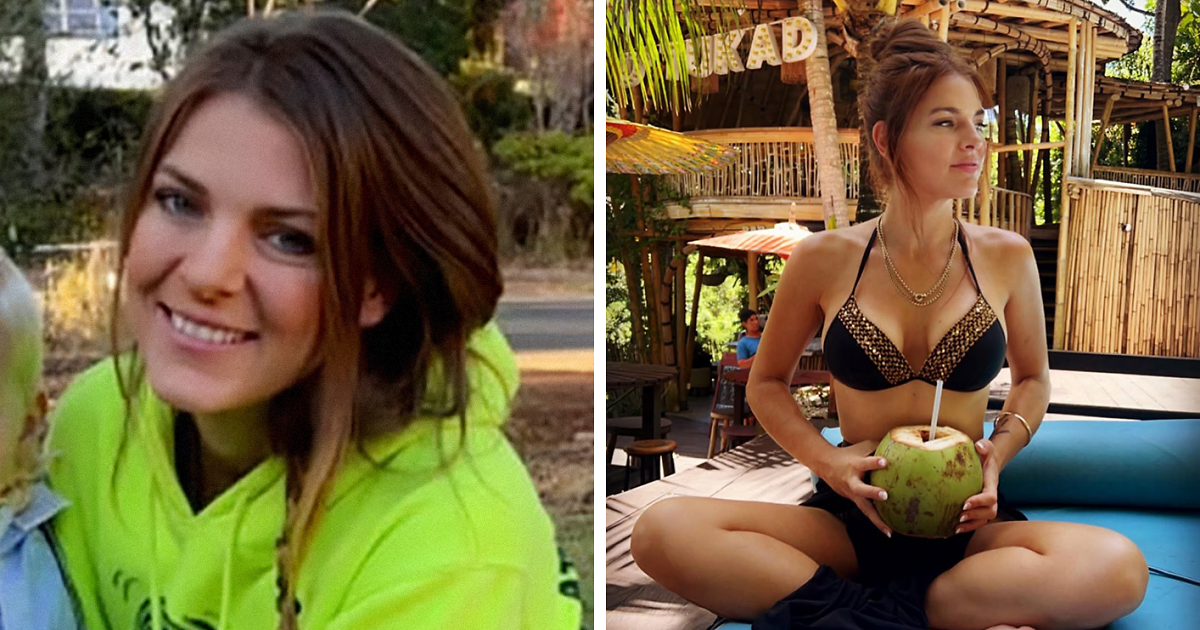
The story of Chloe Mowday, an Australian mother of three widely reported as being in her early thirties, became a frightening example of what can go wrong when cosmetic surgery abroad turns into a life-threatening emergency. According to public reports, Mowday traveled to Da Nang, Vietnam, with her husband and young son for what was expected to be a family holiday combined with cosmetic procedures. The procedures reportedly included rhinoplasty, commonly known as nose reshaping, and blepharoplasty, an eyelid surgery.
The plan, as reported by several outlets, was not supposed to become a global cautionary tale. The family expected recovery, sightseeing, and more travel. Instead, Mowday’s condition reportedly worsened soon after surgery, leading to intensive care, life support, and urgent efforts by her family to arrange medical evacuation back to Australia.
What Reportedly Happened After the Surgery
Public reports say Mowday began to deteriorate shortly after the procedures. She was taken for medical care, and her condition reportedly escalated into a critical emergency involving severe infection, suspected toxic shock syndrome, sepsis, and organ complications. Later reports described her as being placed in an induced coma and receiving intensive treatment while her family tried to coordinate care, funding, and transport.
Those words can sound clinical, but behind them is a very human scene: a husband far from home, a child unexpectedly caught in a crisis, relatives trying to understand medical updates across borders, and a family suddenly facing costs that could flatten a bank account faster than a toddler with a juice box near a white sofa.
Reports also described the family’s need for a medical evacuation, with quoted air ambulance costs reaching well into six figures. That detail matters because medical tourism is not only about the price of the procedure. It is also about what happens if the recovery goes sideways. A cheaper surgery can become extremely expensive if complications require intensive care, extra hospital days, specialist treatment, or emergency transport home.
Why This Story Hit a Nerve Online
The phrase “plastic surgery abroad” tends to split the internet into two loud groups. One side says people should be free to seek affordable care wherever they choose. The other side sees any surgery overseas as a flashing warning sign with a passport stamp. The truth is more complicated, and less convenient for comment sections.
Many people travel internationally for medical and cosmetic care because the costs in their home countries can be painfully high. Some overseas hospitals and clinics are modern, well-equipped, and staffed by highly trained professionals. Medical tourism is not automatically unsafe. The problem is that patients often have less information, fewer protections, and weaker follow-up systems when surgery is packaged like a travel deal.
In Mowday’s case, the public conversation quickly became bigger than one patient. It raised questions about cosmetic-surgery marketing, social media beauty pressure, medical consent, aftercare, emergency planning, and the dangerous assumption that “minor” cosmetic surgery means “risk-free.” Spoiler alert: the body does not care how cute the clinic’s Instagram grid looks.
Cosmetic Surgery Is Still Surgery
Rhinoplasty and blepharoplasty are common procedures, but common does not mean simple in every case. Both can involve anesthesia, incisions, swelling, bleeding risk, infection risk, medication management, and follow-up care. Even when performed by excellent surgeons, cosmetic procedures require sterile environments, proper patient screening, emergency protocols, and recovery monitoring.
This is where medical tourism can become tricky. A patient may choose a clinic based on price, photos, reviews, influencer recommendations, or a friend’s experience. Those things can be useful starting points, but they are not enough. A beautiful before-and-after gallery does not prove that a facility has strong infection-control practices, qualified anesthesia staff, emergency equipment, or a reliable plan if complications develop after the patient leaves the clinic.
Another challenge is distance. When surgery happens close to home, the surgeon and care team may be available for follow-up visits. When surgery happens overseas, the patient may be recovering in a hotel room, navigating language barriers, and relying on messaging apps for medical advice. If a fever, breathing problem, wound issue, or sudden weakness appears, time matters.
The Medical-Tourism Risk Nobody Likes to Put in the Brochure
Medical tourism brochures tend to highlight savings, privacy, luxury recovery suites, and the phrase “world-class care” sprinkled around like confetti. What they often do not emphasize is the boring-but-crucial stuff: who handles complications, where emergency transfer happens, whether the hospital has intensive-care capacity, what insurance covers, and how the patient gets home if they are too sick to fly commercially.
That last point is huge. Medical evacuation is not a dramatic movie scene where someone waves at a helicopter and everything magically works out. It can require doctors, nurses, oxygen, specialized equipment, flight clearance, receiving hospitals, paperwork, and a shocking amount of money. The U.S. State Department has warned that medical evacuation by air ambulance can cost tens of thousands to hundreds of thousands of dollars, depending on location and medical condition.
For families, that means a medical emergency abroad can become a financial emergency too. Fundraisers, loans, retirement savings, relatives, and strangers online may suddenly become part of the survival plan. It is heartbreaking, and it is also preventable in some cases with better planning, stronger insurance, and more realistic risk assessment before travel.
What Patients Should Ask Before Traveling for Plastic Surgery
1. Who exactly is performing the surgery?
Patients should verify the surgeon’s credentials, training, board certification or equivalent qualifications, experience with the specific procedure, and hospital privileges. A vague title like “aesthetic specialist” is not enough. If the clinic is dodgy about credentials, consider that the universe waving a red flag the size of a hotel bedsheet.
2. Where will the procedure take place?
The facility should be licensed, clean, properly equipped, and prepared for emergencies. Patients should ask whether the procedure happens in a hospital, surgical center, or clinic room. They should also ask who provides anesthesia and what emergency equipment is available.
3. What happens if something goes wrong?
This question is not pessimistic; it is practical. Patients should know which hospital they would be transferred to, who pays for extra treatment, how follow-up care works, and whether there is 24-hour support after discharge. A clinic that only talks about perfect results may not be prepared for imperfect reality.
4. Does insurance cover complications?
Standard travel insurance may not cover planned medical procedures or complications from elective surgery abroad. Patients should be honest with insurers and look for specialized medical-travel coverage that includes complications, extended stays, and evacuation.
5. Is there enough recovery time before flying?
Flying soon after surgery can increase certain risks, including blood clots. Recovery time should be based on medical advice, not on cheap return-flight dates. The body does not care that the airline charged extra for changing seats.
How Social Media Shapes Cosmetic-Surgery Decisions
One uncomfortable part of this conversation is beauty pressure. Many people do not wake up randomly wanting surgery. They are influenced by filters, celebrity aesthetics, “glow-up” culture, beauty trends, and algorithms that keep serving the same polished face shape until normal human features start looking like software bugs.
Cosmetic surgery can be a valid personal choice. Adults have the right to make decisions about their bodies. But informed consent should include more than the dream result. It should include risks, realistic outcomes, recovery demands, potential revision surgery, emotional readiness, and financial backup plans.
The danger is not wanting to look better. The danger is being sold the idea that surgery is as simple as booking a spa package. A facelift, nose job, eyelid procedure, tummy tuck, or breast surgery is not a manicure with anesthesia. It is medicine. Medicine deserves seriousness, even when the goal is aesthetic.
Why Aftercare Can Make or Break the Outcome
Aftercare is the unglamorous hero of cosmetic surgery. Nobody makes viral videos about wound checks, medication schedules, hydration, rest, and recognizing warning signs. But those details can matter as much as the operation itself.
Patients recovering abroad may face practical challenges: unfamiliar hospitals, different medical systems, language barriers, limited access to family support, and uncertainty about when symptoms are urgent. A patient may also feel pressure to stick to the original travel itinerary, especially if flights, hotels, or theme park tickets have already been paid for.
That pressure can be dangerous. After surgery, warning signs such as fever, worsening pain, breathing trouble, confusion, fainting, spreading redness, unusual swelling, or sudden weakness should never be ignored. It is always better to be the person who “overreacted” and got checked than the person who waited too long because they did not want to cause a fuss.
What This Case Teaches About Medical Evacuation
Mowday’s case also showed how complicated it can be to bring someone home while they are critically ill. Medical evacuation requires a patient to be stable enough to travel, even when the need to travel is urgent. Doctors must consider oxygen needs, blood pressure, infection status, organ function, and whether the receiving hospital is ready.
That is why families can find themselves stuck in an agonizing middle ground: the patient is too sick to remain comfortably where they are, but also too fragile to move immediately. During that time, medical bills can rise, relatives may need to fly in, and every update can feel like a new emotional weather system.
For anyone considering surgery abroad, the lesson is clear: do not plan only for the best-case scenario. Plan for the expensive, annoying, deeply inconvenient scenario too. That means emergency contacts, insurance documents, medical records, extra funds, flexible flights, and a trusted person who can advocate for you if you are too unwell to speak for yourself.
Vietnam, Medical Tourism, and a Balanced Perspective
It would be unfair to turn one reported tragedy into a blanket judgment against Vietnam or any country’s entire medical system. Vietnam has skilled doctors, modern hospitals, and a growing healthcare sector. Many patients receive good care there. The issue is not “Vietnam equals unsafe.” The issue is that any medical tourism decision requires careful verification, whether the destination is Vietnam, Mexico, Turkey, Thailand, South Korea, Colombia, or anywhere else.
Every country has excellent providers and risky providers. Every country has strong facilities and weaker facilities. The patient’s job is not to guess based on price or pretty marketing. The patient’s job is to investigate like their health depends on it, because it does.
Practical Safety Checklist Before Cosmetic Surgery Abroad
- Confirm the surgeon’s full medical credentials and experience with the exact procedure.
- Verify the clinic or hospital’s licensing, accreditation, emergency capacity, and infection-control standards.
- Ask who provides anesthesia and what qualifications that person has.
- Request a written complication plan before paying a deposit.
- Buy insurance that specifically covers planned medical travel, complications, and evacuation.
- Share the full itinerary and medical plan with a trusted family member.
- Allow enough recovery time before flying or continuing vacation plans.
- Keep copies of medical records, prescriptions, lab results, and surgeon contact details.
- Do not combine multiple procedures just because a package discount makes it tempting.
- Listen to your body after surgery and seek urgent care if symptoms feel wrong.
Experiences and Reflections Related to This Case
Stories like “Mom, 31, on life support after traveling to Vietnam for plastic surgery” spread quickly because they contain every fear people have about surgery abroad: distance, uncertainty, money, family panic, and a procedure that was supposed to be elective turning into a life-or-death fight. But beyond the headline, there are everyday lessons that apply to anyone considering cosmetic work.
First, many patients underestimate how vulnerable they will be after surgery. Before the procedure, it is easy to feel organized and confident. You have your passport, your hotel booking, your compression garments, your snacks, and maybe even a cute recovery robe because optimism is a powerful drug. After surgery, however, you may be tired, swollen, medicated, emotional, and dependent on others. That is not the ideal time to solve a medical-system puzzle in another country.
Second, traveling with family does not automatically make a medical trip safe. A supportive spouse, sibling, or friend can be a lifesaver, but they are not a substitute for trained aftercare. Loved ones may notice that something is wrong, but they may not know what symptoms mean, which hospital to choose, or how to communicate with medical staff. A proper plan should give caregivers clear instructions, emergency numbers, and authority to act quickly.
Third, online reviews can create false confidence. A clinic may have hundreds of positive comments from happy patients who healed normally. That does not tell you how the clinic handles the rare patient who does not. The real test of a medical provider is not only the perfect outcome; it is the emergency response when the outcome is not perfect. Ask about complication rates, hospital transfer agreements, revision policies, and post-operative monitoring. If the answers sound like a sales script, keep asking.
Fourth, patients should be careful with “vacation surgery” thinking. Recovery is not a sightseeing activity. Your body may need rest, clean surroundings, follow-up visits, and quick access to medical care. Planning surgery and then immediately scheduling theme parks, beach trips, long flights, or packed tours can create pressure to ignore symptoms. Healing deserves space on the calendar.
Fifth, cost comparisons should include the ugly numbers. The advertised surgery price is only one line item. Add flights, hotels, medications, post-op garments, food, companion travel, missed work, extra nights if recovery is delayed, emergency treatment, and possible evacuation. Suddenly, the “cheap” option may look more like a mystery subscription service from your nightmares.
Finally, this story is a reminder to separate self-improvement from self-pressure. Wanting cosmetic surgery does not make someone shallow. Many people choose procedures after years of thought, discomfort, aging changes, childbirth, injury, or personal preference. But no aesthetic goal should be rushed, minimized, or sold as risk-free. The best cosmetic-surgery decision is not the cheapest or fastest one. It is the one made with full information, qualified care, realistic expectations, and a serious safety net.
Conclusion: Beauty Goals Should Never Outrank Safety
The reported case of a mother placed on life support after traveling to Vietnam for plastic surgery is heartbreaking because it began with something familiar: a person hoping to feel better about her appearance and enjoy time with family. The outcome became a warning about the hidden risks of cosmetic surgery abroad, from infection and aftercare challenges to medical evacuation costs and emotional trauma for loved ones.
Medical tourism can offer access and affordability, but it demands more research, not less. Patients should verify credentials, understand the facility, prepare for complications, buy the right insurance, and resist the fantasy that surgery becomes simple when paired with a vacation. A passport can take you across borders; it cannot cancel surgical risk.
In the end, the safest glow-up is the one that leaves room for caution. Confidence is wonderful. A good result can be life-changing. But health is the foundation everything else stands on, and no nose, eyelid, waistline, or jawline is worth gambling with your life.