People Are Sharing The Worst Fashion Fails They’ve Ever Seen And They’re Hilarious (50 New Pics)

Fashion is supposed to help us express who we are. Sometimes it whispers, “I am elegant.” Sometimes it says, “I have excellent taste and possibly own a steamer.” And sometimes, with the confidence of a raccoon in sunglasses, it screams, “Yes, this shirt has a pocket printed exactly where no pocket should ever be.” That, dear reader, is where the magic of fashion fails begins.
Across social media, thrift-store aisles, online shopping reviews, and the mysterious back corners of clearance racks, people keep finding clothing design fails so strange they deserve their own tiny museum. We are talking about dresses with unfortunate patterns, pants that appear to have been measured during an earthquake, shoes that seem emotionally confused, and T-shirts with slogans that were either mistranslated, misprinted, or written by a toaster having a difficult morning.
The appeal of funny fashion fails is simple: they remind us that style is human. Even professional designers, manufacturers, brands, and trend-chasers occasionally create something that makes shoppers pause, squint, and ask, “Was this intentional, or did the sewing machine sneeze?” The results can be ridiculous, but they also reveal a lot about fast fashion, online shopping, trend culture, body fit, and the difference between bold creativity and “please take this back to the idea factory.”
Why Worst Fashion Fails Are So Funny
Most fashion mistakes become hilarious because they sit right on the border between effort and disaster. A plain ugly shirt is forgettable. But a shirt that tries to be inspirational and accidentally prints “Believe in your shelf”? That is art. A bad color choice is one thing; a pair of leggings with a floral print placed in a wildly suspicious location is another. The comedy comes from intention crashing into execution like a model tripping over a six-foot scarf.
Fashion is visual communication. Clothes tell people something before we say a word. That is why a design fail can feel so loud. A misplaced graphic, confusing zipper, or strange fabric panel does not merely look wrong; it sends a message nobody ordered. It is like autocorrect, but on your torso.
The Perfect Storm: Trend, Speed, And Zero Second Thoughts
One reason hilarious clothing fails keep appearing is the speed of modern fashion. Trends move quickly, especially online. A style can go from niche TikTok aesthetic to mall display to bargain bin faster than you can say “microtrend.” When brands rush to produce something that looks fresh, edgy, or viral, there is less time for careful editing. That is how we get jeans with fake mud stains, luxury-looking bags with spelling errors, and shirts that proudly display English phrases assembled like refrigerator magnets.
In the past, fashion seasons moved at a slower rhythm. Today, shoppers are exposed to constant newness: cottagecore, balletcore, office siren, coastal grandma, mob wife, quiet luxury, loud luxury, and probably “haunted substitute teacher core” by next Thursday. With so many aesthetics competing for attention, some designs become less about wearability and more about grabbing a scroll-stopping reaction. Unfortunately, not every scroll-stopper is a compliment.
The Most Common Types Of Clothing Design Fails
Fashion fails come in many flavors, from mildly questionable to “how did this pass a meeting with adults in the room?” Here are the repeat offenders people love sharing because they are painfully recognizable.
1. The Unfortunately Placed Print
This is the king of worst fashion fails. A floral pattern, cartoon face, zipper, seam, logo, or decorative patch lands in exactly the wrong place. Suddenly, a perfectly normal dress becomes a public optical illusion. Leggings are especially vulnerable because stretchy fabric moves, expands, and changes placement depending on body shape. A pattern that looked harmless on a flat product photo can become chaotic in real life.
The lesson is simple: clothes are not posters. They bend, fold, stretch, wrinkle, and live on moving human bodies. A designer must think about placement from every angle, not just how it looks on a perfectly still mannequin with the personality of a coat rack.
2. The Translation Disaster Tee
Graphic T-shirts are a playground for accidental comedy. Many brands use foreign-language text to create a cool, global, streetwear-inspired look. The problem arrives when nobody checks the meaning. The result can be a shirt that says something nonsensical like “Happy Vegetable Business Forever” or a phrase that sounds poetic until a native speaker bursts into laughter.
Even English-language shirts can fail spectacularly. Inspirational slogans are especially risky. One missing letter can turn “Choose joy” into “Cheese joy,” which is honestly still a valid lifestyle, but probably not what the brand intended.
3. The Impossible Pocket
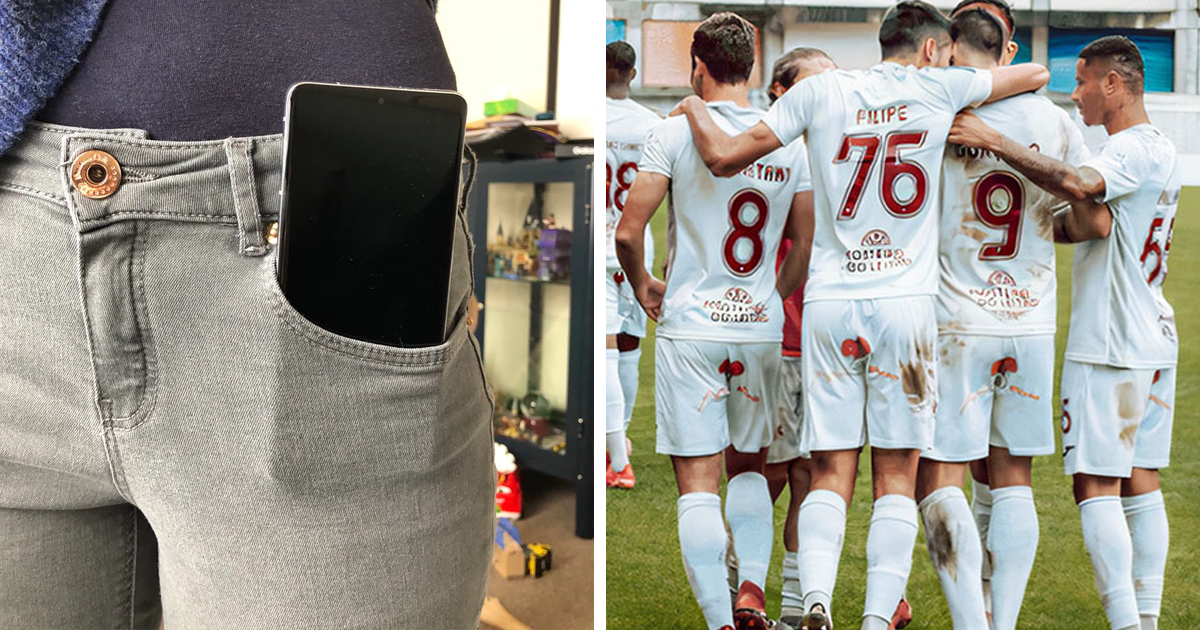
Pockets are fashion’s emotional support system. People want them, need them, and celebrate them like surprise snacks. So when a garment includes fake pockets, tiny pockets, sideways pockets, or pockets positioned for an alien anatomy, the betrayal feels personal. A jacket may have six zippers and still no usable storage. A pair of women’s jeans may include a pocket so shallow it could barely hold a single regret.
Funny fashion fails often expose a serious design problem: not all clothing is made with function in mind. Sometimes a pocket is decorative, which is a polite way of saying, “This pocket is lying to you.”
4. The Online Shopping Expectation Gap
Some of the funniest fashion fail pictures come from online orders. The product photo shows a sophisticated blazer. The delivery box contains something that looks like it was folded by a nervous accordion. The model wears a flowing maxi dress; the customer receives a shiny tube of fabric that could double as emergency party wrapping paper.
Online shopping has made fashion more convenient, but it has also made fit, fabric, and proportion harder to judge. A garment can look amazing under studio lighting, pinned at the back, styled by professionals, and photographed on a model who has never met bloating. Real life is less forgiving. Real life has laundry, lunch, weather, sitting down, and fluorescent fitting-room lighting that could humble a superhero.
Why Fit Is Often The Real Villain
Many clothing fails are not about taste. They are about fit. A design can be beautiful in theory and disastrous in practice if the proportions are wrong. Too-tight armholes, pants that gap at the waist, dresses that twist while walking, sleeves long enough to dust the floor, and buttons that strain like they are negotiating a hostage situation all belong to the same family of fit problems.
Fashion bodies are wonderfully different, but mass-produced sizing often pretends otherwise. A size chart can measure bust, waist, and hips, yet still fail to account for shoulder width, torso length, posture, muscle, height, and personal comfort. That is why two people can wear the same size and have completely different experiences. One gets “effortless chic.” The other gets “why is this seam attacking me?”
Fast Fashion And The Quality Shortcut
Fast fashion is not automatically funny, but it can create the conditions for funny failures. When clothing is designed, produced, photographed, and shipped at high speed, small decisions can become big problems. Fabric may be thinner than expected. Prints may not line up at the seams. Buttons may be decorative rather than useful. A dress may look structured online but arrive with the confidence level of a wet napkin.
Low prices can be helpful for shoppers on a budget, but the trade-off is often durability and precision. The less attention paid to patternmaking, construction, and quality control, the more likely we are to see garments that become viral for all the wrong reasons.
When “Creative” Becomes “Confusing”
Fashion needs risk. Without risk, everyone would still be wearing the same beige sack and calling it “heritage minimalism.” Many trends that seem strange at first later become mainstream. Oversized silhouettes, chunky sneakers, visible seams, clashing prints, and gender-fluid styling all challenged older ideas of taste before becoming widely accepted.
But there is a difference between bold design and confusing design. Bold design has intention. Confusing design looks like three separate garments got trapped in an elevator and came out as one blouse. A dramatic sleeve can be fabulous. A sleeve that prevents you from eating soup is a lifestyle hazard.
The Thin Line Between Iconic And Ironic
Some fashion fails are hilarious because they are almost good. A coat with an exaggerated collar might look editorial on a runway but cartoonish in a grocery store. Platform shoes may be glamorous until the wearer walks like a baby giraffe on roller skates. A transparent handbag might look futuristic, but it also announces to the world that you carry gum wrappers, receipts, and three lip balms named “emergency.”
Context matters. Runway fashion often uses exaggeration to tell a story. Everyday clothing has to survive errands, office chairs, public transportation, and coffee spills. When a high-concept idea is copied cheaply or stripped of context, it can turn into a fashion fail very quickly.
What These 50 New Pics Teach Us About Style
A gallery of 50 hilarious fashion fails is not just entertainment. It is a crash course in what makes clothing work. First, placement matters. A print should respect the shape and movement of the body. Second, words matter. If a garment uses text, someone should proofread it before it becomes a meme with sleeves. Third, function matters. Pockets, zippers, buttons, straps, and lining should serve a purpose beyond “look busy.”
Fourth, proportion matters. Oversized can be stylish; accidentally wearing a duvet with armholes is a separate situation. Fifth, fabric matters. Some materials photograph beautifully but behave badly. A shiny fabric may wrinkle, cling, reflect light in strange ways, or create the visual effect of wearing a deflated balloon.
Finally, confidence matters, but confidence cannot rescue every garment. There is a popular saying that you can “pull off anything” if you wear it with confidence. This is mostly true, except for pants with a face printed on the rear. Some things cannot be pulled off. Some things can only be documented, shared online, and respectfully returned.
How To Avoid Becoming A Fashion Fail Screenshot
The goal is not to dress boringly. The goal is to dress intentionally. Before buying a statement piece, ask a few practical questions. Does the print land in a safe place? Can you sit down? Can you lift your arms? Does the slogan make sense? Does the fabric look good in normal lighting? Is the garment interesting because it is stylish, or interesting because it resembles a craft project completed during a power outage?
When shopping online, check customer photos when possible. Product images are often polished, styled, and adjusted. Customer photos reveal how clothes behave in real life. Read reviews for comments about sizing, fabric thickness, color accuracy, and construction. If multiple people say a dress is “unexpectedly sheer,” believe them. The people have seen things.
Thrifting: The Natural Habitat Of Glorious Fashion Fails
Thrift stores deserve special recognition. They are where fashion history, questionable office party outfits, forgotten vacation shirts, and mysterious handmade experiments gather in peace. A thrift rack can teach you more about trends than a glossy magazine because it shows what people actually bought, wore, abandoned, and perhaps regretted during tax season.
Some thrift finds are treasures. Others are cautionary tales with shoulder pads. But that is part of the fun. The best fashion fail discoveries often come with a story: Who owned this? Where did they wear it? Why does this sweater have twelve buttons and no opening? Was there a matching hat, and is society ready for it?
Why We Love Laughing At Fashion Fails
There is a kind way and an unkind way to enjoy funny fashion fails. The best humor focuses on the design, not the body of the person wearing it. Bodies are not mistakes. Bad seam placement, bizarre slogans, misleading product photos, and impractical construction are fair game. Mocking someone’s size, shape, or identity is not comedy; it is just bad manners wearing cheap shoes.
At their best, fashion fail galleries bring people together. Everyone has bought something that looked better in theory. Everyone has owned a shirt that shrank into doll clothing or shoes that promised comfort and delivered betrayal. Laughing at clothing disasters reminds us that style is experimental. Sometimes you find your signature look. Sometimes you find out that neon zebra print is not your ministry.
Extra Experiences: Real-Life Lessons From The World Of Fashion Fails
Anyone who has spent enough time around clothes has a personal fashion fail story. Mine begins, as many tragedies do, with confidence and a sale rack. There was once a jacket that looked magnificent on the hanger: dramatic collar, interesting buttons, mysterious European energy. In the mirror, however, it transformed me into a hotel curtain with ambitions. The shoulders were too wide, the sleeves were too short, and the color made me look like I had been printed with low ink. I did not buy it, but I still think about it. Some garments haunt.
Another classic experience is the “event outfit panic.” You need something for a party, wedding, date, or office gathering. Time is short. Judgment leaves the building. Suddenly, a sequined jumpsuit seems reasonable. Then you get home and realize it makes a sound when you walk, fits only while standing perfectly still, and requires a complicated escape plan for bathroom breaks. This is how fashion fails happen: not because people lack taste, but because urgency and lighting are powerful villains.
There is also the group-photo problem. An outfit can look fine in the mirror and strange in pictures. A busy pattern may create optical chaos. A shirt may become transparent under flash. A dress may wrinkle after five minutes of sitting. A color that looked rich indoors may turn radioactive outside. This is why fashion professionals think about movement, light, and proportion. Clothes are not static objects; they are part of a living scene.
One of the funniest fashion experiences is discovering that comfort and style have different definitions depending on the brand. A shoe described as “all-day comfort” may mean “comfortable if your day lasts seven minutes.” Jeans labeled “stretch” may stretch everywhere except the place you need them to. A sweater called “oversized” may be cozy, or it may make you look like you are being slowly consumed by a decorative throw blanket.
Still, fashion fails are useful. They teach shoppers to be more observant. They teach brands to proofread, test, and respect real bodies. They teach all of us that personal style is not about perfection. It is about learning what works, laughing at what does not, and keeping a sense of humor when a “must-have” trend turns out to be a “must-return” situation.
The next time you see a hilarious fashion fail online, enjoy the laugh, but also appreciate the lesson. Behind every strange pocket, awkward print, and cursed slogan is a reminder that clothes are design objects with jobs to do. They should fit, flatter, function, and communicate clearly. When they fail, at least they give us something wonderful in return: a story, a screenshot, and the comforting knowledge that nobody’s wardrobe is safe from chaos.
Conclusion
Worst fashion fails are funny because they reveal the gap between imagination and reality. They show us what happens when trends move too fast, designs skip common sense, translations go rogue, and clothing forgets it is supposed to live on actual human bodies. But they also make fashion more approachable. Style should be creative, playful, and personal. Sometimes that means elegance. Sometimes it means learning, with great humility, that a pair of pants should never have a face.
Note: This article is written as original, web-ready editorial content based on synthesized fashion, consumer shopping, design, and sustainability context.