People Are Sharing Their Favorite Food Hacks On This Dedicated Group, Here Are 50 Of The Best

Every kitchen has two kinds of cooks: the person carefully measuring smoked paprika with monk-like patience, and the person using a mug as a rolling pin because the real one disappeared sometime during the Obama administration. Food hacks live happily between those two worlds. They are practical, funny, sometimes suspiciously brilliant, and occasionally the reason dinner makes it to the table before everyone starts eating shredded cheese straight from the bag.
The internet’s favorite food-hack communities prove one thing: home cooks are wildly creative when hunger, limited counter space, and one stubborn avocado join forces. From smarter storage tricks to faster prep methods, the best kitchen hacks are not about showing off. They are about making cooking less stressful, reducing food waste, saving money, and turning “What on earth am I making tonight?” into “Actually, this might work.”
Below are 50 of the best food hacks inspired by real cooking wisdom, online community creativity, professional kitchen habits, and food-safety guidance. Some are tiny upgrades. Some will change your weeknight routine. A few may make you wonder why nobody taught this in school between long division and recorder practice.
Why Food Hacks Became the Internet’s Favorite Kitchen Shortcut
Food hacks are popular because they solve everyday kitchen problems. Nobody wakes up dreaming about peeling garlic, cleaning sticky measuring spoons, or discovering that the cilantro turned into green soup in the fridge drawer. Good hacks remove friction. They help you prep faster, store smarter, season better, and clean less dramatically.
But not all hacks deserve a standing ovation. A truly useful food hack should pass three tests: it saves time, improves flavor or texture, and does not ignore basic food safety. Any trick that asks you to leave meat on the counter all day or “trust the vibes” instead of using a thermometer should be politely escorted out of the kitchen.
50 Of The Best Food Hacks Shared By Clever Home Cooks
Prep Hacks That Save Time
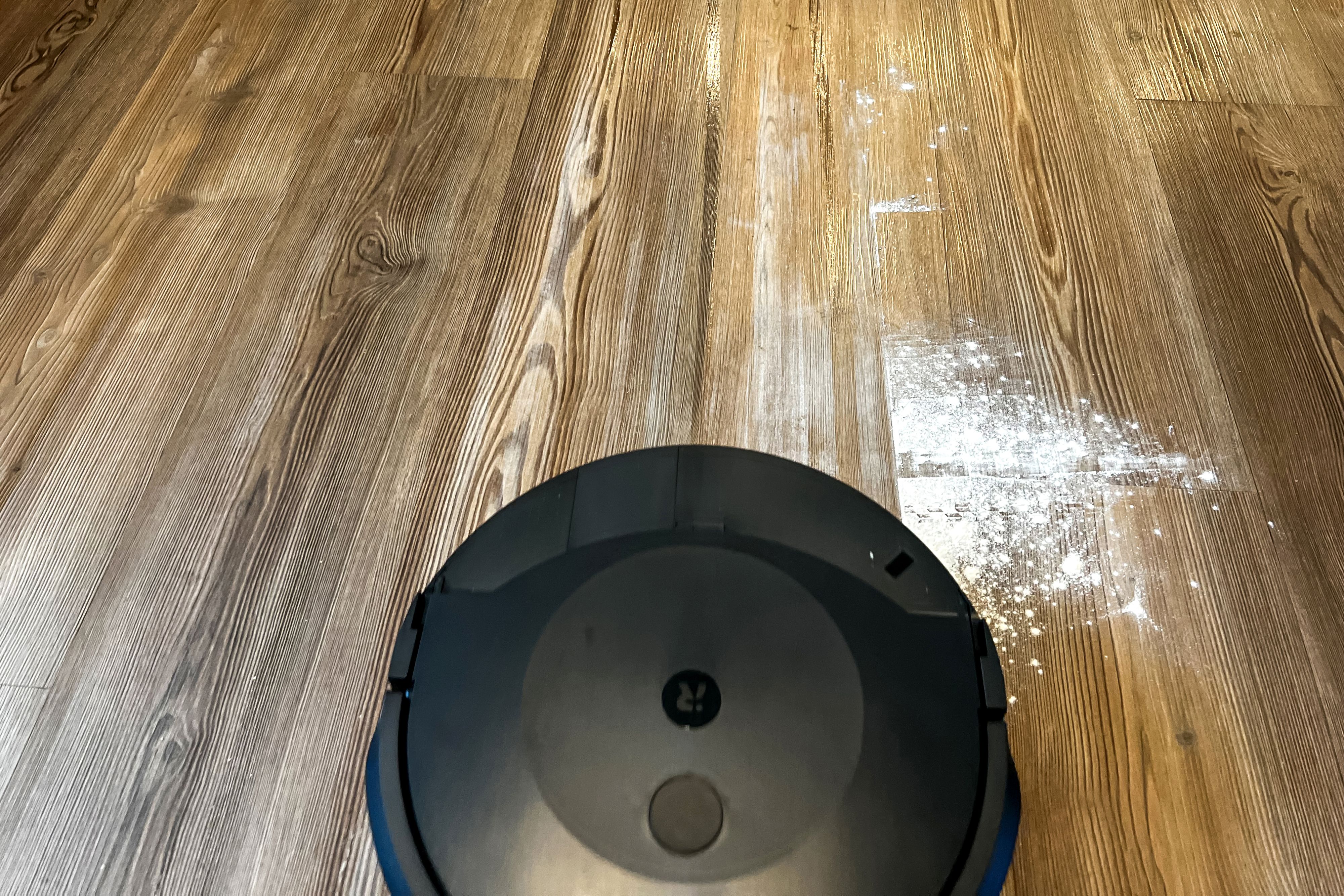
- Use a loose-leaf tea infuser as a mini flour duster. Fill it with flour, powdered sugar, cocoa powder, or cornstarch and tap it over dough, desserts, or proteins. It works like a tiny, adorable kitchen snow machine.
- Freeze minced garlic in small portions. Blend or mince a batch, freeze it in teaspoon-sized cubes, and drop one into soups, sauces, stir-fries, or marinades.
- Grate ginger instead of chopping it. A microplane turns ginger into a fluffy paste in seconds and keeps you from chasing woody little ginger cubes around the cutting board.
- Keep a “garbage bowl” beside your cutting board. Toss peels, shells, and scraps into one bowl while prepping. It keeps the counter cleaner and saves repeated trips to the trash.
- Slice soft foods with dental floss. Plain, unflavored floss cuts cinnamon rolls, soft cheese, cake layers, and dough cleanly without smashing them.
- Use kitchen scissors for herbs, pizza, bacon, and green onions. Scissors are often faster than a knife and board, especially for quick garnishes.
- Stabilize round fruits and vegetables before cutting. Slice a thin piece off one side to create a flat base. Less wobbling means safer chopping.
- Peel garlic faster by smashing cloves first. Press each clove with the flat side of a knife, and the papery skin usually slips off easily.
- Shred cooked chicken with a hand mixer. Put warm cooked chicken in a bowl and mix briefly on low speed. It turns into shredded chicken faster than two forks can negotiate.
- Crack eggs into a separate bowl first. This prevents shell pieces or a bad egg from ruining the whole batter, scramble, or omelet.
Cooking Hacks That Improve Flavor
- Toast spices before using them. A quick warm-up in a dry pan wakes up flavor, especially for cumin, coriander, paprika, and curry blends.
- Salt in layers. Season ingredients as you cook instead of dumping all the salt in at the end. The flavor becomes deeper and more balanced.
- Save pasta water. That cloudy, starchy water helps sauces cling to noodles and creates a silkier finish.
- Finish pasta in the sauce. Drain it slightly early, then simmer it in the sauce for a minute or two so the noodles absorb flavor.
- Add acid at the end. A splash of lemon juice, vinegar, or pickle brine can brighten soups, beans, roasted vegetables, and rich sauces.
- Use butter plus oil for browning. Oil raises the cooking tolerance, while butter adds flavor. Together, they are the buddy-cop movie of sautéing.
- Bloom tomato paste. Cook it in oil until it darkens slightly before adding liquid. This removes raw sharpness and builds richer flavor.
- Roast vegetables on a hot sheet pan. Preheating the pan helps vegetables brown faster instead of steaming sadly in their own moisture.
- Dry proteins before searing. Pat meat, tofu, or fish dry so it browns instead of steaming. Moisture is the enemy of a good crust.
- Use umami boosters. Soy sauce, miso, Parmesan, anchovy paste, mushrooms, tomato paste, and Worcestershire sauce can make simple dishes taste fuller.
Storage Hacks That Reduce Food Waste
- Store herbs like flowers. Trim stems, place herbs in a jar with a little water, loosely cover, and refrigerate. Parsley and cilantro especially love this spa treatment.
- Wrap greens with paper towels. A towel absorbs extra moisture and helps lettuce, spinach, and herbs stay fresher longer.
- Use airtight containers for leftovers. They prevent leaks, reduce odors, and keep food from drying out.
- Label freezer bags with dates. Future you will not remember whether that container is chili, curry, or a mysterious orange block from another era.
- Freeze sauces in ice cube trays. Pesto, broth, tomato sauce, coconut milk, and herb oil can be frozen in small portions for quick meals.
- Store raw meat on the bottom shelf. This helps prevent juices from dripping onto ready-to-eat foods.
- Freeze bread before it goes stale. Slice it first so you can toast pieces straight from the freezer.
- Keep nuts and seeds cold. Refrigerating or freezing them helps protect their oils from turning rancid.
- Use the “ready plate” method for leftovers. Portion complete meals into containers so lunch is already assembled.
- Turn wilting herbs into herb oil. Blend herbs with olive oil and freeze in cubes for soups, eggs, potatoes, or roasted vegetables.
Reheating And Leftover Hacks
- Cover food when microwaving. A vented lid or damp paper towel helps trap steam, heat food more evenly, and reduce splatter.
- Reheat pizza in a skillet. Warm it in a covered skillet so the crust crisps while the cheese melts. It beats sad, floppy microwave pizza.
- Add a splash of water before reheating rice. Cover and steam it gently to bring back moisture.
- Refresh leftover pasta with sauce or water. A small splash loosens the noodles and keeps them from becoming a brick.
- Turn leftovers into fried rice. Cold rice, cooked vegetables, eggs, and leftover protein can become a fast meal.
- Make soup from roasted vegetables. Blend leftover roasted carrots, squash, potatoes, or cauliflower with broth for an easy lunch.
- Use stale bread for croutons or breadcrumbs. Cube or blitz it, season it, toast it, and suddenly “old bread” becomes “rustic.”
- Repurpose cooked meat into tacos, bowls, or wraps. Leftover chicken, beef, pork, or tofu gets new life with tortillas, rice, sauce, and crunch.
- Freeze leftovers within a few days. If you know you will not eat them soon, freeze them before they become fridge archaeology.
- Reheat leftovers to steaming hot. For safety and texture, heat evenly and stir when possible, especially with soups, stews, rice, and casseroles.
Cleaning And Organization Hacks
- Clean as you go. Wipe counters, rinse tools, and put ingredients away during cooking pauses. It makes the final cleanup much less dramatic.
- Line measuring cups with oil spray before sticky ingredients. Honey, molasses, peanut butter, and syrup slide out more easily.
- Use baking sheets as prep trays. Group ingredients by recipe or meal to keep small counters organized.
- Store plastic wrap in the fridge. Cold plastic wrap is less clingy and easier to handle.
- Use a lemon and salt on cutting boards. Scrubbing with coarse salt and lemon helps reduce odors on wooden boards.
- Keep a damp towel under your cutting board. It prevents slipping and makes chopping safer.
- Use cabinet doors for storage. Hooks can hold measuring spoons, pot holders, wraps, or lightweight tools.
- Group pantry items by meal type. Keep pasta with sauce, baking supplies together, and snacks in one zone so nobody creates a pantry avalanche.
- Use clear containers when possible. Seeing what you have prevents duplicate purchases and the tragic discovery of three open bags of rice.
- Do a five-minute reset after dinner. Wipe surfaces, store leftovers, and prep tomorrow’s breakfast or lunch before the kitchen goes into goblin mode.
Food Hacks That Are Smart, Not Sketchy
The best food hacks respect food safety. That means clean hands, clean surfaces, separated raw and ready-to-eat foods, proper cooking temperatures, and quick chilling. These basics may not look as exciting as a viral avocado trick, but they are the difference between “great dinner” and “everyone regrets the potato salad.”
Do not thaw meat on the counter for hours. Do not rinse raw chicken and splash bacteria around the sink. Do not leave big pots of soup sitting out all night because “Grandma did it and survived.” Grandma also lived through cars without seatbelts. We can admire her and still use shallow containers.
Smart hacks make cooking easier without gambling with your stomach. Use a thermometer. Refrigerate leftovers promptly. Store raw meat below produce. Wash hands before and after handling raw foods. These habits are not glamorous, but neither is explaining to your family that dinner came with a surprise microbiology lesson.
How These Hacks Make Home Cooking Easier
Food hacks work because they lower the mental load of cooking. Many people do not avoid home cooking because they hate food; they avoid it because cooking can feel like a pile of tiny chores wearing a trench coat. Decide what to make. Chop everything. Find the lid. Clean the spill. Discover the onion has betrayed you. Repeat tomorrow.
When you freeze garlic, label leftovers, store herbs properly, and keep a scrap bowl nearby, you remove little obstacles. Dinner becomes less like a test and more like a rhythm. That is why food-hack communities are so addictive: they make people feel less alone in the daily battle against hunger, clutter, and suspicious fridge smells.
Real-Life Experience: What Happens When You Actually Use These Food Hacks
The first time I started using food hacks consistently, I expected minor convenience. What I got was a calmer kitchen. Not perfect, of course. No food hack can stop someone from opening the fridge, staring directly at cooked rice, eggs, vegetables, and sauce, then declaring, “There’s nothing to eat.” That is a separate scientific mystery.
The biggest change came from prepping ingredients in small, realistic batches. Instead of pretending I was going to spend Sunday transforming into a meal-prep influencer with matching glass containers and emotional stability, I picked two habits: freeze flavor boosters and store produce better. Garlic cubes, ginger paste, chopped scallions, and frozen herb oil became tiny emergency buttons for dinner. A plain bowl of noodles suddenly tasted intentional. Eggs became a meal. Soup stopped being a project.
The garbage bowl also became a strangely powerful upgrade. It sounds too simple to matter, but it changes the flow of cooking. When scraps have one place to go, the cutting board stays clearer, the floor receives fewer onion skins, and cleanup feels less like a punishment. It is not glamorous. Nobody is giving out awards for “Best Supporting Bowl.” But it works.
Another experience worth mentioning is leftover management. Most people do not hate leftovers; they hate mystery leftovers. A container without a label becomes emotionally complicated after day three. Is it soup? Is it sauce? Was it once chili? Does it belong to this household? Labeling containers with the date sounds boring until you stop throwing away perfectly good food because you are afraid of it. The ready-plate method also helps because it turns leftovers into meals instead of ingredients waiting for leadership.
Reheating improved too. Covering microwave food with a vented lid or damp towel made rice softer, pasta less rubbery, and the microwave less like a crime scene. Skillet pizza was another victory. Once you reheat pizza in a covered skillet, microwave pizza feels like an apology written in cheese.
The biggest lesson is that food hacks are not about being lazy. They are about being honest. Most home cooks are busy, tired, budget-conscious, and working with imperfect kitchens. A good hack respects real life. It says, “You can still cook well even if you do not have two hours, six burners, and a personal assistant named Marco.”
Over time, these small tricks build confidence. You start improvising. You learn which leftovers can become soup, which herbs can be frozen, which vegetables need roasting before they give up on life, and which containers should be retired because the lids vanished into another dimension. Cooking becomes less intimidating because the kitchen starts working with you instead of against you.
That is why dedicated food-hack groups remain so popular. They are not just collections of tips. They are proof that everyone is trying to make daily meals a little easier, cheaper, safer, and more enjoyable. Sometimes the best recipe is not a recipe at all. It is a tiny trick that gets you cooking again.
Conclusion
Food hacks are the people’s cookbook: practical, funny, budget-friendly, and tested in real kitchens where the dishwasher is full and someone used the last clean spoon. The best ones save time, reduce waste, improve flavor, and keep food safe. Whether you start with frozen garlic, better herb storage, skillet pizza, or a humble garbage bowl, one small change can make cooking feel less chaotic and a lot more rewarding.
So yes, keep sharing those clever kitchen shortcuts. Somewhere out there, a tired person is about to discover that a tea infuser can dust flour, stale bread can become croutons, and dinner does not have to be a full-contact sport.