
Reusable food storage wraps are the kitchen upgrade nobody brags about at partiesuntil they realize their fridge no longer looks like a plastic wrap crime scene. These flexible, washable wraps are designed to replace single-use plastic wrap, sandwich bags, and sometimes even aluminum foil for everyday food storage. They can cover a bowl of leftovers, hug half an avocado, protect a wedge of cheese, wrap a sandwich, or keep that heroic last slice of banana bread from turning into a countertop fossil.
At their best, reusable food wraps help solve three common kitchen problems at once: food waste, plastic waste, and the mysterious disappearance of matching container lids. They are not magic, and they are not perfect for every food. But when used correctly, they can make your kitchen feel more organized, more sustainable, and slightly less like a drawer full of plastic chaos has won the war.
This guide explains what reusable food storage wraps are, how they work, which types are worth considering, what foods they are best for, how to clean them, and how to choose the right option for your home. We will also talk honestly about their limits, because no wrapno matter how charmingly patternedshould be trusted with everything.
What Are Reusable Food Storage Wraps?
Reusable food storage wraps are washable food covers made to be used again and again instead of thrown away after one meal. The most familiar type is the beeswax wrap: cotton fabric coated with beeswax, plant oils, and tree resin so it becomes flexible, slightly tacky, and moldable with the warmth of your hands. Press it around a bowl, over a cut vegetable, or around a sandwich, and it forms a soft seal as it cools.
But beeswax wraps are not the only option. The reusable wrap family also includes silicone stretch lids, silicone food covers, plant-based wax wraps, vegan wax wraps, fabric bowl covers, and reusable silicone bags. Some are better for dry snacks. Some are better for leftovers. Some belong in the freezer. Some should never go near heat unless you enjoy turning your eco-friendly wrap into a very sad napkin.
The main keyword here is simple: reusable food storage wraps. Related terms include beeswax wraps, silicone food covers, plastic wrap alternatives, sustainable food storage, reusable kitchen wraps, zero-waste food storage, and eco-friendly food storage. They all point to the same idea: keeping food fresher while relying less on disposable materials.
Why Reusable Wraps Are Having a Kitchen Moment
Reusable wraps are popular because they fit neatly into modern kitchen life. People want to reduce waste, save money over time, avoid using plastic for every little thing, and keep food fresh without needing a mountain of containers. A roll of plastic wrap may seem cheap, but it disappears quickly. One lunch here, one leftover bowl there, one dramatic attempt to wrap a watermelon half, and suddenly the roll is gone.
Food waste is another reason these wraps matter. Good storage helps preserve texture, reduce odor transfer, and remind you what is already in the fridge. A cut apple half covered with a reusable wrap is more likely to be seen, eaten, and appreciated than one hidden under a flimsy piece of plastic that has given up on life.
There is also the clutter factor. Reusable wraps fold flat, take up little drawer space, and can be used in situations where a container feels too bulky. They are especially helpful for awkward foods: half an onion, a block of cheese, a loaf of bread, a sandwich, a snack bowl, or the last pancake that someone swears they are “definitely eating later.”
Main Types of Reusable Food Storage Wraps
1. Beeswax Wraps
Beeswax wraps are the classic choice. They are usually made from cotton fabric coated in beeswax, jojoba or coconut oil, and tree resin. The wax makes the fabric clingy, while the resin helps it grip. You warm the wrap with your hands, shape it around food or a container, and let it set into place.
Best uses include wrapping sandwiches, covering bowls, storing cheese, wrapping bread, protecting cut fruit, and covering firm vegetables. Beeswax wraps are breathable, which makes them especially useful for foods that do not love being suffocated in plastic. Cheese, for example, often does better when it has a little breathing room instead of being trapped in a sweaty plastic cave.
The downside is that beeswax wraps cannot be washed in hot water, used in the microwave, or wrapped around hot food. Heat softens or melts the wax coating. They are also not ideal for raw meat, raw poultry, or raw seafood because they cannot be sanitized with high heat.
2. Vegan Wax Wraps
Vegan wax wraps work like beeswax wraps but use plant-based waxes such as candelilla wax or soy wax instead of beeswax. They are a good option for people who avoid animal-derived ingredients. Performance varies by brand, but many vegan wraps are flexible, reusable, and suitable for the same general tasks as beeswax wraps: sandwiches, produce, bowls, snacks, and bread.
Like beeswax versions, vegan wax wraps should be kept away from heat and washed gently with cool water and mild soap. They are not the right tool for raw meat or very oily, messy foods.
3. Silicone Stretch Lids
Silicone stretch lids are elastic covers that stretch over bowls, cans, jars, fruit halves, and containers. They are often dishwasher-safe, freezer-safe, and more heat-tolerant than wax wraps, depending on the manufacturer’s instructions. They are excellent for covering round containers and leftovers.
Their biggest advantage is convenience. Unlike wax wraps, silicone lids usually do not need special hand washing. Their biggest weakness is shape. They work beautifully on bowls and cups but may struggle with irregular foods like a baguette, a sandwich, or a knobby piece of produce that looks like it has been through a personal journey.
4. Fabric Bowl Covers
Fabric bowl covers are washable cloth covers with elastic edges. They are useful for proofing dough, covering salads, protecting picnic dishes, or covering a bowl of fruit on the counter. Some have water-resistant linings, while others are simply breathable cloth.
They are not usually airtight, so they are better for short-term covering than long-term storage. Think of them as the casual cardigan of food storage: useful, cute, and comfortable, but not built for every weather condition.
5. Reusable Silicone Bags
Reusable silicone bags are not technically wraps, but they often serve the same purpose: replacing disposable plastic bags. They are useful for snacks, chopped vegetables, freezer storage, marinating, and meal prep. High-quality silicone bags can be sturdy and leak-resistant, though they are usually more expensive upfront than wax wraps.
If you want one reusable option for wet foods, soups, freezer portions, or travel snacks, silicone bags may be more practical than wraps. If you mostly cover bowls and wrap dry foods, wax wraps or silicone lids may be enough.
What Foods Work Best With Reusable Wraps?
Reusable food storage wraps shine with foods that are cool, relatively dry, and ready to eat. They are great for sandwiches, bread, muffins, crackers, sliced apples, lemon halves, cucumber pieces, carrots, celery, herbs, blocks of cheese, and covered bowls of leftovers that have already cooled.
They are also helpful for packed lunches. A beeswax wrap around a sandwich feels more pleasant than plastic, folds neatly, and can double as a little placemat. This is especially useful if you are eating at a desk, in a park, or in a car while pretending fries count as a balanced side dish because potatoes are technically vegetables.
For cheese, wraps can be particularly useful because they protect the surface without sealing in too much moisture. Hard and semi-hard cheeses often need protection from drying out, but they also benefit from a little airflow. A breathable wrap can help maintain that balance better than tight plastic wrap.
For produce, reusable wraps work best when the item is firm and not too juicy. Half an onion, half a bell pepper, a bunch of herbs, or a cut cucumber can do well. Very wet fruits, delicate berries, and juicy melon may be better in a sealed container.
What Should You Not Store in Reusable Food Wraps?
Reusable wraps are useful, but they have boundaries. The most important rule: do not use beeswax or vegan wax wraps for raw meat, raw poultry, or raw seafood. These foods can carry bacteria, and wax-coated fabric cannot be cleaned with hot water or high-heat sanitation without damaging the coating.
You should also avoid wrapping hot foods. Let leftovers cool slightly, then store them safely in the refrigerator within the recommended food-safety window. Hot food can melt wax wraps, trap steam, and create condensation. In other words, it turns your wrap into a sauna, and leftovers do not need spa treatment.
Very oily foods, sticky sauces, and strongly colored foods can also be a problem. Tomato sauce, turmeric, greasy ribs, and sticky desserts may stain, cling, or shorten the life of the wrap. For those foods, choose glass containers, stainless steel containers, or food-grade silicone bags.
How to Use Beeswax Wraps Correctly
Using a beeswax wrap is easy. Place the wrap over a bowl or around the food. Use the warmth of your hands to soften it. Press and fold until it grips. Hold it for a few seconds, then let it cool and firm up. That is it. No engineering degree required.
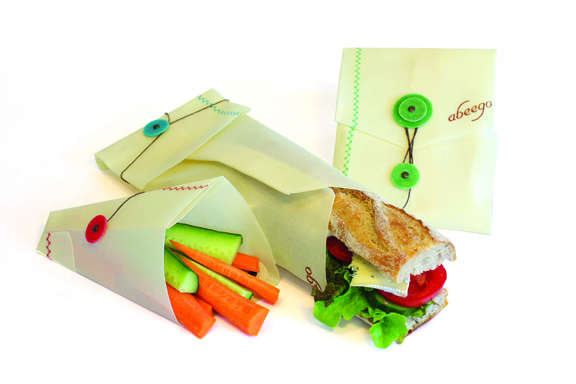
For sandwiches, fold the wrap like a package: bottom up, sides in, top down. Some wraps come with string or buttons for extra security. For cheese, press the wrap directly around the block and fold the edges snugly. For bowls, choose a wrap larger than the bowl opening so there is enough material to grip the rim.
If your wrap is stiff straight from the drawer, warm it briefly between your hands. If it is too sticky, use a lighter touch. If it refuses to cling, it may be worn out or too cold. Wax wraps tend to firm up in the refrigerator, so do not panic if they feel less flexible when chilled.
How to Clean Reusable Food Storage Wraps
Cleaning depends on the type of wrap. Beeswax and vegan wax wraps should be washed by hand in cool water with mild dish soap. Use a soft sponge or cloth, rinse gently, and air-dry. Avoid hot water, dishwashers, microwaves, ovens, and direct heat. Hot water can melt or thin the coating, which shortens the wrap’s life.
Silicone lids and silicone bags are often easier to clean. Many are dishwasher-safe, though it is always wise to check the care instructions. Silicone can hold odors if used with strong-smelling foods, so occasional baking soda soaks or lemon-water rinses may help.
Fabric bowl covers can usually be machine washed, especially if they are plain cotton. Covers with linings may require gentler care. Again, the label wins. The label is boring, yes, but it knows things.
How Long Do Reusable Wraps Last?
Most beeswax wraps last around several months to a year with regular use and proper care. Their lifespan depends on how often you use them, how gently you wash them, and whether they are kept away from heat. When they lose cling, crack, smell odd, or look worn beyond rescue, it is time to replace or refresh them.
Some beeswax wraps can be refreshed by re-waxing them with additional beeswax mixture, either using a manufacturer’s refresher bar or a DIY method. This can extend their usefulness and reduce waste even further.
Silicone lids and silicone bags generally last longer, often for years if they are not torn, overheated beyond their rating, or attacked by a suspiciously sharp fork. They cost more at the beginning but can pay off over time if used frequently.
Reusable Wraps vs. Plastic Wrap: Which Is Better?
Reusable wraps are better for many everyday tasks, especially covering bowls, wrapping sandwiches, storing bread, and protecting produce. They reduce reliance on single-use plastic and can make your food storage routine more intentional.
Plastic wrap still has advantages. It is cheap, clear, and very clingy. It can be useful for certain baking tasks or messy foods. But it is also disposable, frustrating to handle, and not always recyclable through normal curbside programs. Anyone who has fought with a roll of plastic wrap at 10 p.m. knows it has the personality of a haunted shower curtain.
The smartest approach is not necessarily to replace every storage product with one perfect solution. Instead, build a small system: wax wraps for sandwiches and produce, silicone lids for bowls, glass containers for leftovers, and silicone bags for freezer or snack storage. That combination covers most needs without turning your kitchen into a product-testing laboratory.
How to Choose the Best Reusable Food Storage Wraps
Look at Material
If you like natural materials, choose cotton beeswax wraps or vegan wax wraps. If you want dishwasher-safe convenience, silicone may be better. If you need something for lunchboxes, wax wraps are lightweight and flexible. If you need leak resistance, silicone bags are usually stronger.
Check Sizes
A good starter set usually includes small, medium, and large wraps. Small wraps are useful for lemons, jars, and snack portions. Medium wraps handle sandwiches and cheese. Large wraps cover mixing bowls, bread, or bigger produce.
Consider Cleaning Habits
Be honest with yourself. If hand washing sounds peaceful and charming, wax wraps are a good fit. If hand washing sounds like a punishment invented by tiny kitchen goblins, choose silicone lids or bags that can go in the dishwasher.
Think About Your Food Routine
If your household packs lunches daily, beeswax wraps can quickly become useful. If you mostly store soups, sauces, and cooked meals, glass containers and silicone bags may be more practical. If your fridge is full of bowls covered with random plates, silicone stretch lids may change your lifeor at least stop the plates from sliding dramatically every time you reach for yogurt.
Are Reusable Food Storage Wraps Worth It?
Yes, reusable food storage wraps are worth it if you use them regularly and match the product to the task. A set of beeswax wraps that sits untouched in a drawer is not sustainable; it is just a very pretty kitchen guilt object. But a set used several times a week can replace many pieces of plastic wrap and disposable bags.
The biggest benefits are convenience, waste reduction, and better food visibility. Reusable wraps encourage you to cover, label, and store food with more care. That can help you use leftovers before they become science experiments with names.
The biggest drawbacks are maintenance and limitations. Wax wraps need gentle washing and cannot handle heat or raw proteins. Silicone options are easier to clean but may be bulkier and less flexible for odd shapes. No single product is perfect, but each has a place.
Practical Food Safety Tips for Reusable Wraps
Reusable does not mean invincible. Food safety still matters. Store leftovers in the refrigerator or freezer promptly. Keep your refrigerator cold enough. Use airtight containers when needed. Check leftovers daily and discard anything that smells off, looks slimy, grows mold, or makes you hesitate long enough to ask, “Was this pasta from Tuesday or from the previous administration?”
For wax wraps, stick to low-risk foods: bread, cheese, washed produce, sandwiches, and cooled leftovers in bowls. For raw meat, raw poultry, raw fish, and very wet foods, use sealed containers or appropriate bags that can be cleaned properly or discarded safely when necessary.
Also avoid cross-use confusion. Do not wrap a cheese block today with the same unwashed wrap that covered onions yesterday unless onion-flavored cheese is your dream. Wash and dry wraps between uses, and store them clean.
Simple Ways to Build a Low-Waste Food Storage System
Start small. Buy or make one set of reusable wraps and place them where you normally reach for plastic wrap. If they live in a forgotten drawer behind birthday candles and a mystery charger, you will not use them.
Next, assign jobs. Use small wax wraps for fruit halves and jars. Use medium wraps for sandwiches and cheese. Use large wraps for bowls and bread. Use silicone lids for leftovers. Use glass containers for meals. Use silicone bags for snacks and freezer portions.
Finally, label when needed. A reusable wrap does not show the date of your leftovers, so use masking tape, washable labels, or a fridge note. Good storage is not only about covering food; it is about remembering to eat it before it becomes an archaeological discovery.
DIY Reusable Beeswax Wraps
If you enjoy simple crafts, you can make beeswax wraps at home. The basic method uses clean cotton fabric and beeswax, sometimes combined with jojoba oil and pine resin for flexibility and cling. Cut the fabric into useful sizes, sprinkle or brush on the wax mixture, warm it gently until the coating melts into the fibers, then let it cool.
DIY wraps can be cheaper and customizable. You can use cheerful fabric, cut sizes that match your favorite bowls, and feel smug in the healthiest possible way. However, homemade wraps may vary in stickiness, durability, and finish. Store-bought wraps are usually more consistent, while DIY wraps are great for people who like experimenting.
Use only clean, tightly woven cotton and food-safe ingredients. Avoid synthetic fabrics, unknown dyes, or random craft waxes that were never meant to touch food. The goal is sustainable food storage, not “What did I just melt into my sandwich?”
Common Mistakes to Avoid
The first mistake is washing wax wraps with hot water. Hot water damages the coating. Use cool water instead. The second mistake is using wraps on hot leftovers. Let food cool enough for safe handling, then store it properly. The third mistake is expecting one wrap to do everything. Wax wraps are not freezer bags, soup containers, or raw chicken armor.
Another mistake is buying too many wraps too soon. Start with a small set. See what you actually use. Then add silicone lids, bags, or larger wraps if needed. A low-waste kitchen should still be practical. Buying a giant drawer of eco-products you never touch is just clutter wearing a green hat.
Best Everyday Uses for Reusable Food Storage Wraps
For breakfast, wrap muffins, cover a bowl of cut fruit, or store half a grapefruit. For lunch, wrap sandwiches, snack bars, cheese cubes, or veggie sticks. For dinner, cover a salad bowl, protect leftover bread, or wrap half an onion after cooking. For baking, cover dough while it rests, as long as the dough is not hot and the wrap does not touch anything too sticky.
Reusable wraps are also excellent for travel snacks. They are lightweight, quiet, and easy to fold after use. Unlike a plastic bag, a wax wrap can become a little eating surface, which is nice when the available table is your lap and the situation is one pothole away from disaster.
Extra Experience-Based Section: What It Is Actually Like to Use Reusable Food Storage Wraps
The first time you use a reusable food storage wrap, you may wonder if you are doing it wrong. Plastic wrap clings instantly, usually to itself, your fingers, the counter, and your last remaining patience. Beeswax wrap is different. It asks for a little warmth and cooperation. You press it, hold it, smooth it, and suddenly it behaves. It feels less like fighting kitchen plastic and more like folding a tiny food blanket.
In daily use, the best thing about reusable wraps is how visible they make your food. A patterned wrap around half an apple or a cheese wedge stands out in the fridge. It says, “Eat me soon,” rather than disappearing behind a cloudy disposable bag. That small visual reminder can reduce waste because the food looks intentional, not abandoned.
Sandwiches are where reusable wraps really shine. A medium beeswax wrap folds neatly around bread, keeps the sandwich together, and opens flat at lunchtime. It feels nicer than pulling food out of a plastic bag. It also prevents the sandwich from getting crushed if packed carefully. Peanut butter and banana, turkey and cheese, hummus and veggiesthese all work well as long as the filling is not too wet. A sandwich dripping with sauce should probably go in a container unless you enjoy lunchtime suspense.
Cheese is another satisfying use. Plastic wrap often traps moisture, especially around softer cheeses. A breathable wax wrap can help keep hard and semi-hard cheeses from drying out while avoiding the damp, sealed-in feeling of plastic. It will not perform miracles if the cheese is already old enough to have a backstory, but it can help keep a fresh block pleasant longer.
There are annoyances. Wax wraps need hand washing, and that can feel inconvenient after a long day. They also pick up stains and smells if used carelessly. Onion, garlic, and strong cheeses can linger. The solution is to dedicate certain wraps to stronger foods or wash promptly after use. Some people keep one wrap for onions and another for bread, because nobody wants sourdough that whispers “shallot.”
Silicone lids feel more practical for leftovers. If you often put bowls in the fridge, silicone stretch lids may become your favorite. They snap over bowls faster than wax wraps and usually clean more easily. The drawback is that they work best on standard round shapes. They are less useful for odd items like celery bunches, baguettes, or irregular produce.
Reusable silicone bags are the most heavy-duty option. They are excellent for freezer fruit, chopped vegetables, crackers, lunch snacks, and meal prep. They can be more annoying to dry because the inside corners trap water, but they are reliable. Turning them upside down over a glass or drying rack helps.
The most realistic system is mixed. Keep wax wraps for sandwiches, cheese, and produce. Keep silicone lids for bowls. Keep glass containers for cooked meals. Keep silicone bags for freezer and snacks. With that setup, disposable plastic wrap becomes something you rarely need instead of something you reach for automatically.
Reusable wraps also change habits. You start saving food in smaller portions because wrapping half a cucumber or a few crackers becomes easy. You notice leftovers sooner. You stop using foil for everything. You may even begin arranging your fridge like a responsible adult, which is alarming but not necessarily bad.
The biggest lesson is that reusable food storage wraps are not about perfection. They are about repetition. One wrap used hundreds of times matters more than a drawer full of sustainable products bought with good intentions and never touched. Choose the version that fits your real life, not your fantasy life where every jar is labeled, every herb is fresh, and nobody ever puts an uncovered bowl of pasta in the fridge “just for a minute.”
Conclusion: A Small Swap That Can Actually Stick
Reusable food storage wraps are one of the simplest ways to reduce single-use plastic in the kitchen while keeping everyday foods covered, organized, and easier to use before they spoil. Beeswax wraps and vegan wax wraps are excellent for sandwiches, cheese, bread, cut produce, and bowl covers. Silicone lids and bags are better for leftovers, wet foods, freezer storage, and easier cleaning. Fabric bowl covers are handy for short-term covering and casual countertop use.
The key is choosing the right wrap for the right job. Do not use wax wraps for raw meat or hot foods. Wash them gently. Store them clean and dry. Start with a small set and build a system around your actual habits. When used well, reusable wraps can make your kitchen less wasteful, less cluttered, and a little more charming. And honestly, anything that helps tame the leftover shelf deserves applause.