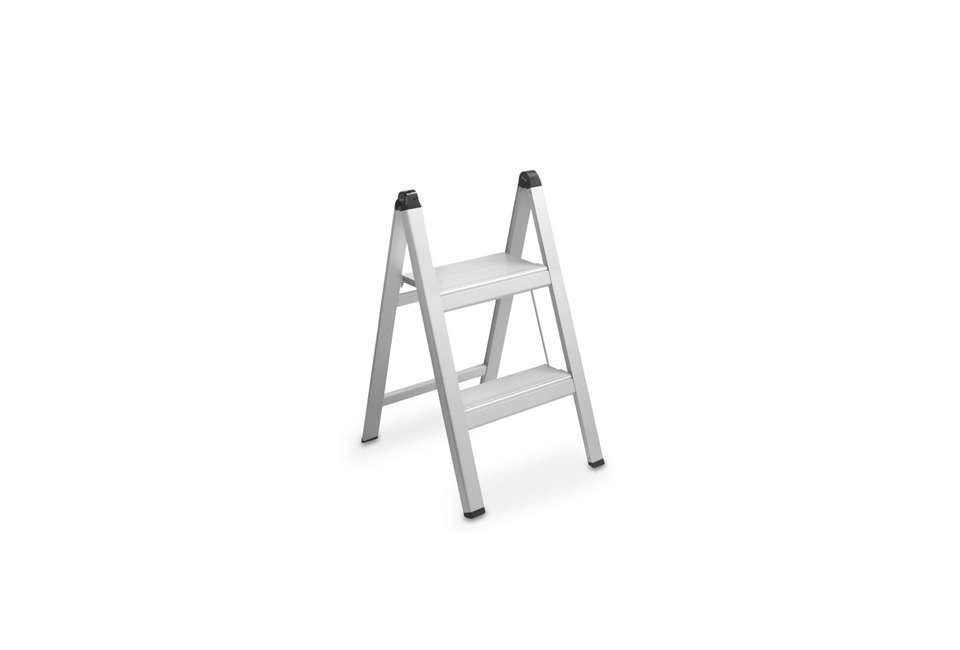

Some household tools earn their keep quietly. They do not buzz, beep, connect to Wi-Fi, or require a software update during breakfast. They simply show up, help you reach the top shelf, and disappear again. That is the charm of ultraslim aluminum step stools: they are compact, lightweight, good-looking enough for modern kitchens, and practical enough to rescue you from the eternal struggle of “why did I store the coffee filters up there?”
At first glance, a slim folding step stool may seem like a small purchase. But in real life, it can change the way you use your home. High cabinets become useful storage again. Closet shelves stop feeling like mysterious museum exhibits. Changing a light bulb no longer requires balancing on a dining chair while whispering, “This is probably fine.” Spoiler: it is not fine.
Ultraslim aluminum step stools are designed for exactly this middle ground: taller than a basic one-step stool, easier to store than a bulky ladder, and light enough to move from kitchen to laundry room without making it a full-body workout. Whether you live in a small apartment, a house with tall pantry cabinets, a studio, an RV, or simply a home where vertical storage is doing heroic work, this kind of stool can be a surprisingly smart upgrade.
What Are Ultraslim Aluminum Step Stools?
An ultraslim aluminum step stool is a foldable household climbing aid made with a lightweight aluminum frame and a compact profile. The “ultraslim” part usually refers to how narrow the stool becomes when folded. Some models fold to around two inches thick, which means they can slide beside a refrigerator, inside a closet, behind a door, or between a washer and dryer.
Unlike a traditional step ladder, which can feel too large for daily use, a slim step stool is made for quick tasks. You pull it out, unfold it, step up, grab what you need, fold it back down, and pretend you have always been this organized. Most models come in two-step or three-step versions, with wider treads, rubber feet, locking mechanisms, and sometimes a top handle or support rail.
Aluminum is a popular material because it balances strength and portability. Steel can be very sturdy but heavier. Plastic can be light but may not feel as steady for taller models. Wood looks charming but often requires more storage space and can be heavier than expected. Aluminum sits in the sweet spot: strong, clean-looking, rust-resistant in normal indoor use, and easy to carry.
Why the Slim Design Matters
Storage is the big reason people fall in love with an ultraslim folding step stool. Many homes have step stools that are technically useful but practically annoying. If the stool is too bulky, it ends up living in the garage, basement, or utility closet. Then, when you need it, you do the mental math: “Do I really want to walk all the way over there just to reach the cinnamon?” That is how people end up climbing counters like raccoons in yoga pants.
A slim aluminum step stool solves that problem by staying close to where it is needed. In the kitchen, it can slide beside the fridge. In the laundry area, it can rest between appliances. In a walk-in closet, it can tuck behind hanging clothes. In a home office, it can stand beside a bookcase. Convenience is not a luxury here; it is the feature that makes the stool actually get used.
Best Places to Store One
- Next to the refrigerator or pantry cabinet
- Inside a broom closet or mudroom cabinet
- Behind a laundry room door
- Beside tall bookshelves or storage units
- In a walk-in closet for upper shelves
- Inside an RV, studio apartment, or small utility space
The thinner the folded profile, the more likely the stool can live within arm’s reach. That is important because a step stool should not be a special-occasion object. It should be as easy to grab as a broom, except far more glamorous in the “adulting successfully” department.
Key Features to Look For
Not all aluminum step stools are created equal. Some are elegant and smooth to open; others feel like they were designed by someone who has never met gravity. Before choosing one, pay attention to the details that affect safety, comfort, and everyday usability.
1. Folded Thickness
The main selling point of an ultraslim stool is its folded depth. Look for a model that folds flat enough for your storage space. If you plan to store it between the refrigerator and wall, measure the gap before buying. A stool that is “compact” online can become “surprisingly committed to blocking the door” in real life.
2. Weight Capacity
Weight capacity matters because the stool must support both the user and anything being carried. Many household step stools are rated somewhere around 200 to 300 pounds, while some heavy-duty models go higher. Always check the manufacturer’s listed capacity and never exceed it. A safe stool is one that has room for real use, not just perfect showroom conditions.
3. Non-Slip Steps
Wide, textured steps are easier and safer to stand on than narrow rungs. A good aluminum step stool should offer treads with grip, especially if it will be used in the kitchen, laundry area, or garage. Socks plus smooth metal is not a lifestyle choice; it is a blooper reel waiting to happen.
4. Rubber or Non-Marring Feet
Rubber feet help reduce slipping and protect floors from scratches. This matters on hardwood, tile, vinyl plank, and polished concrete. Non-marring feet are also helpful if you move the stool around often. A stool should help you reach things, not leave little battle scars across the floor.
5. Locking Mechanism
A foldable stool should lock securely when open. The mechanism should feel stable and easy to operate. If it takes three hands and a prayer to unfold, you will not enjoy using it. The best models open smoothly, click into place, and fold without pinching fingers.
6. Handle or Support Rail
Some two-step stools are simple platforms, while taller three-step models may include a top handle, safety rail, or grip area. A handle can make the stool easier to carry and may provide extra confidence when stepping up or down. For users who feel nervous on ladders, this detail can make a big difference.
Two-Step vs. Three-Step: Which One Should You Choose?
The right height depends on where you plan to use the stool. A two-step aluminum step stool is usually enough for standard kitchen cabinets, closet shelves, and quick household tasks. It is lighter, easier to store, and often more convenient for daily use.
A three-step ultraslim step stool is better for tall cabinets, high shelves, changing light bulbs, hanging curtains, or reaching storage above appliances. It gives more height without jumping into full ladder territory. However, it may be slightly taller, heavier, and more awkward to store than a two-step model.
For most homes, a two-step stool works beautifully in the kitchen, while a three-step version is more useful for multipurpose household maintenance. If your home has nine- or ten-foot ceilings, tall pantry cabinets, or storage shelves that seem designed for professional basketball players, the three-step model is probably the smarter choice.
Where Ultraslim Aluminum Step Stools Shine
In the Kitchen
The kitchen is the natural home of a slim folding step stool. It helps with upper cabinets, pantry shelves, cookware stored above the fridge, and that one decorative serving bowl used twice a year but somehow given prime real estate. Because aluminum stools are easy to clean, they make sense in a space where flour, oil, and mystery crumbs exist as part of the ecosystem.
In Closets
Closets are vertical by nature. Seasonal clothes, bags, storage boxes, bedding, and luggage often live above eye level. A lightweight folding step stool makes those areas practical instead of decorative. It also reduces the temptation to yank items down blindly, which is how sweaters, boxes, and dignity all end up on the floor.
In the Laundry Room
Laundry rooms often include wall cabinets above machines. A slim stool can tuck beside the washer or dryer and help you reach detergent, cleaning supplies, or spare towels. Aluminum is especially practical here because it is light and not easily bothered by normal humidity.
In the Garage or Utility Room
For quick access to shelves, tools, paint cans, and storage bins, an aluminum step stool is easier to move around than a full ladder. Just remember: for serious overhead work, exterior tasks, or anything requiring extended reach, use the proper ladder instead of pushing a stool beyond its intended purpose.
Safety Tips for Using a Step Stool
A good step stool is safer than standing on a chair, countertop, rolling office chair, storage bin, or any other household object that was not born for climbing. Still, it must be used correctly.
- Place the stool on a flat, stable surface before stepping up.
- Make sure all feet are fully touching the floor.
- Open the stool completely and confirm the lock is engaged.
- Wear shoes or grippy socks when possible.
- Do not stand on the very top handle or non-step area.
- Avoid leaning far to the side; climb down and reposition the stool.
- Do not exceed the manufacturer’s weight capacity.
- Inspect the stool for loose hinges, bent parts, or damaged feet.
The most common mistake is overreaching. People step up, realize the item is six inches farther away than expected, and decide to become a human fishing rod. Do not do that. A step stool is easy to move. Your ankle is not easy to replace.
Aluminum vs. Steel, Plastic, and Wood
Aluminum step stools are popular because they are lightweight, sleek, and practical. Compared with steel, aluminum is generally easier to carry. Compared with plastic, it often feels more durable and better suited to multi-step designs. Compared with wood, it usually folds slimmer and handles utility spaces better.
That does not mean aluminum is always the only choice. A wooden step stool can look beautiful in a traditional kitchen. A plastic folding stool may be perfect for a bathroom or children’s room. A steel step ladder may feel more planted for heavy-duty tasks. But for a compact, modern, everyday household stool, aluminum is hard to beat.
Design and Aesthetic Appeal
One reason ultraslim aluminum step stools have become popular is that they do not look like clunky garage equipment. Many have clean lines, neutral colors, and minimalist profiles. Some models are attractive enough to stand in a kitchen corner without causing visual chaos.
This matters more than people admit. If a tool looks terrible, we hide it. If we hide it, we do not use it. If we do not use it, we climb on chairs. Design is not just decoration; it affects behavior. A stool that is slim, good-looking, and easy to access encourages safer habits.
Buying Checklist
Before buying an ultraslim aluminum step stool, run through this quick checklist:
- Measure your storage space: Check width, height, and depth.
- Choose the right step count: Two steps for daily reach, three steps for taller storage.
- Check the weight rating: Include your body weight plus items you may carry.
- Look for grip: Choose non-slip steps and rubber feet.
- Test folding ease: A stool should open and close smoothly.
- Consider the floor type: Non-marring feet are important for finished floors.
- Think about who will use it: Some users may prefer a handle or wider platform.
Common Mistakes to Avoid
The first mistake is buying a stool that is too short. A one-step stool may be cute, but it will not help much with high cabinets. The second mistake is buying a stool that is too bulky to store conveniently. If it cannot live near the task area, it may not get used. The third mistake is ignoring the lock, feet, and tread design. Those little details are the difference between “solid and secure” and “why is this thing wobbling like a nervous flamingo?”
Another mistake is using a step stool for jobs that require a real ladder. Painting a tall stairwell, trimming trees, cleaning gutters, or doing electrical work overhead may require specialized equipment. An ultraslim step stool is excellent for household reach, but it is not a superhero cape.
Maintenance and Care
Aluminum step stools do not need much maintenance, but a little care helps them last longer. Wipe the frame and steps with a damp cloth when dusty or dirty. Check the hinges occasionally. Make sure the rubber feet are still attached and not worn smooth. If the stool has been dropped, bent, or damaged, inspect it carefully before using it again.
Store it indoors when possible. While aluminum handles normal moisture well, long-term outdoor exposure can affect hinges, rubber feet, labels, and plastic parts. A stool stored in a dry closet will usually remain smoother and safer to use than one left outside behind the grill, quietly collecting pollen and regret.
Real-Life Experience: Living With an Ultraslim Aluminum Step Stool
After using an ultraslim aluminum step stool in everyday home routines, the biggest surprise is not how high it lets you reach. The surprise is how often you reach for it. It becomes one of those background tools that quietly solves problems all day long.
In the kitchen, it changes how upper cabinets function. Before having a slim stool nearby, the highest shelves tend to become storage exile. That is where fondue pots, extra mugs, seasonal cookie cutters, and mystery containers go to retire. With a two- or three-step aluminum stool close at hand, those shelves become useful again. You stop avoiding them. You stop stacking everything at shoulder height. The kitchen begins to feel larger because vertical space finally counts.
The lightweight frame also matters more than expected. A heavy stool may be sturdy, but if moving it feels annoying, you will avoid using it for small tasks. A good aluminum model can be lifted with one hand, carried from pantry to laundry room, and folded away without drama. That ease creates a safer habit: instead of grabbing the nearest chair, you grab the proper stool.
One practical example is changing air filters or reaching storage bins. These are not glamorous jobs. Nobody posts a vacation photo captioned, “Living my best life replacing the HVAC filter.” But these tasks are easier when the stool is stable, wide enough for comfortable footing, and tall enough to prevent stretching. The less you have to overreach, the more controlled the task feels.
In a closet, an ultraslim step stool can be a small-space miracle. It can slide behind hanging clothes or lean flat against a side wall. When folded, it does not demand a full storage zone. That makes it ideal for apartments and homes where every inch already has a job. If your closet has shelves above the clothing rod, the stool makes it easy to access bags, blankets, hats, or off-season clothing without pulling everything down in a fabric avalanche.
The design also improves confidence. A stool with non-slip feet and broad steps feels different from a chair or storage bin. You step onto it knowing it was designed for that purpose. That confidence is especially helpful for quick tasks like hanging a picture, wiping the top of a cabinet, watering a high plant, or reaching serving dishes before guests arrive.
There are small annoyances to watch for. Some slim stools have narrow steps that are less comfortable for longer tasks. Some fold so tightly that the opening mechanism takes a few uses to understand. A very light stool can feel less planted than a heavier steel model, especially on slick floors. That is why rubber feet, a solid lock, and step width matter. The perfect stool is not just the thinnest one; it is the one that feels secure while still being easy to store.
Over time, the best thing about an ultraslim aluminum step stool is that it reduces tiny daily frustrations. It helps shorter people use tall spaces independently. It makes cleaning easier. It keeps the good plates accessible. It prevents the “I’ll just climb on this chair for two seconds” routine that never feels like a big deal until it is. In a home full of gadgets that promise transformation, this simple folding stool does something refreshingly honest: it gives you a little more height, exactly when you need it.
Conclusion
Ultraslim aluminum step stools are proof that smart design does not have to shout. They are slim, light, practical, and easy to store, making them ideal for kitchens, closets, laundry rooms, offices, and small homes. The best models combine a compact folded profile with sturdy aluminum construction, non-slip steps, rubber feet, a secure locking mechanism, and enough height for the tasks you actually do.
Choose a two-step model for everyday cabinet access and a three-step model for taller shelves or household maintenance. Measure your storage space, check the weight capacity, and prioritize safety features over looks alone. A beautiful stool is nice; a beautiful stool that does not wobble is better.
In the end, an ultraslim aluminum step stool is one of those purchases that feels small but becomes essential. It helps you use your home more fully, safely, and comfortably. And if it keeps you from standing on a chair with one foot on the seat and one hand clutching a cereal box, it has already paid for itself.