
Sherpa jackets are basically wearable hugs. They are soft, warm, cozy, and slightly dramatic when laundry day arrives. One wrong move with hot water, harsh detergent, or an overenthusiastic dryer, and that fluffy cloud can start looking like it lost a fight with a lint roller. The good news? Learning how to wash a sherpa jacket is not complicated. You just need the right method for the amount of dirt, odor, and “what exactly did I lean against?” mystery involved.
Most sherpa jackets are made with polyester fleece or faux-shearling fabric, which means they are usually washable at home. However, sherpa’s fluffy texture needs a gentle touch. The fibers can mat, flatten, pill, or collect lint if washed with rough fabrics, overloaded in the machine, or blasted with high heat. Think of sherpa as the friend who is low-maintenance emotionally but very specific about water temperature.
This guide covers three practical ways to wash a sherpa jacket: machine washing, hand washing, and spot cleaning with a refresh. You will also learn how to dry sherpa without ruining the pile, how to bring back softness, what products to avoid, and how real-life laundry habits affect the final result.
Before You Wash: Read the Care Label Like It Owes You Money
Before choosing any washing method, check the care tag inside your jacket. Some sherpa jackets can be machine washed cold and tumble dried low. Others may recommend line drying, washing separately, or avoiding dry cleaning. If your jacket has suede, leather trim, delicate embroidery, glued patches, waterproof coatings, or a structured lining, the care label becomes even more important.
Also empty every pocket. Sherpa plus tissue equals artificial snowstorm. Sherpa plus gum equals laundry tragedy. Sherpa plus a forgotten receipt equals tiny paper confetti that somehow appears three washes later. Zip all zippers, close snaps, fasten hook-and-loop closures, and turn the jacket inside out. This helps reduce friction, protects the outer fluffy texture, and keeps hardware from rubbing against the fabric.
Way 1: Machine Wash a Sherpa Jacket
Machine washing is the easiest method for most washable sherpa jackets, especially when the whole jacket smells smoky, sweaty, dusty, or just generally “outside.” The key is to keep the process gentle from start to finish.
Step 1: Shake and Brush Off Loose Debris
Take the jacket outside and give it a good shake. If there is dried mud, crumbs, pet hair, or leaves clinging to the sherpa, remove as much as possible before washing. A soft clothing brush or a clean, dry microfiber cloth works well. Do not scrub aggressively. You are not sanding a deck; you are rescuing fluff.
Step 2: Pretreat Stains Gently
For food spots, cuff grime, makeup smudges, or oily marks around the collar, dab a small amount of mild liquid detergent onto the stain. Use your fingers or a soft cloth to work it in lightly. Let it sit for 10 to 15 minutes. Avoid bleach, harsh stain removers, and aggressive rubbing because sherpa fibers can flatten or discolor.
For grease or oil, blot first with a clean towel. Do not add hot water immediately, because heat can help set some stains. For mud, let it dry first, brush away the loose dirt, then pretreat what remains.
Step 3: Wash Cold on Gentle
Place the sherpa jacket in the washing machine by itself or with similar soft, lightweight fleece items. Avoid washing it with jeans, towels, hoodies with rough zippers, or anything that sheds lint. Sherpa is clingy. It will collect lint like it is starting a hobby.
Use cold water and the gentle or delicate cycle. Add a small amount of mild liquid detergent. More detergent does not mean cleaner sherpa; it often means residue, stiffness, and extra rinsing. Skip bleach and fabric softener. Fabric softener can coat synthetic fleece fibers and reduce the fluffy feel over time.
Step 4: Add an Extra Rinse If Needed
If your washer has an extra rinse option, use it for thick sherpa or heavily soiled jackets. Detergent trapped in the pile can make the jacket feel less soft and may attract more dirt. A clean rinse helps preserve that cloud-like texture.
Step 5: Dry Low or Air Dry
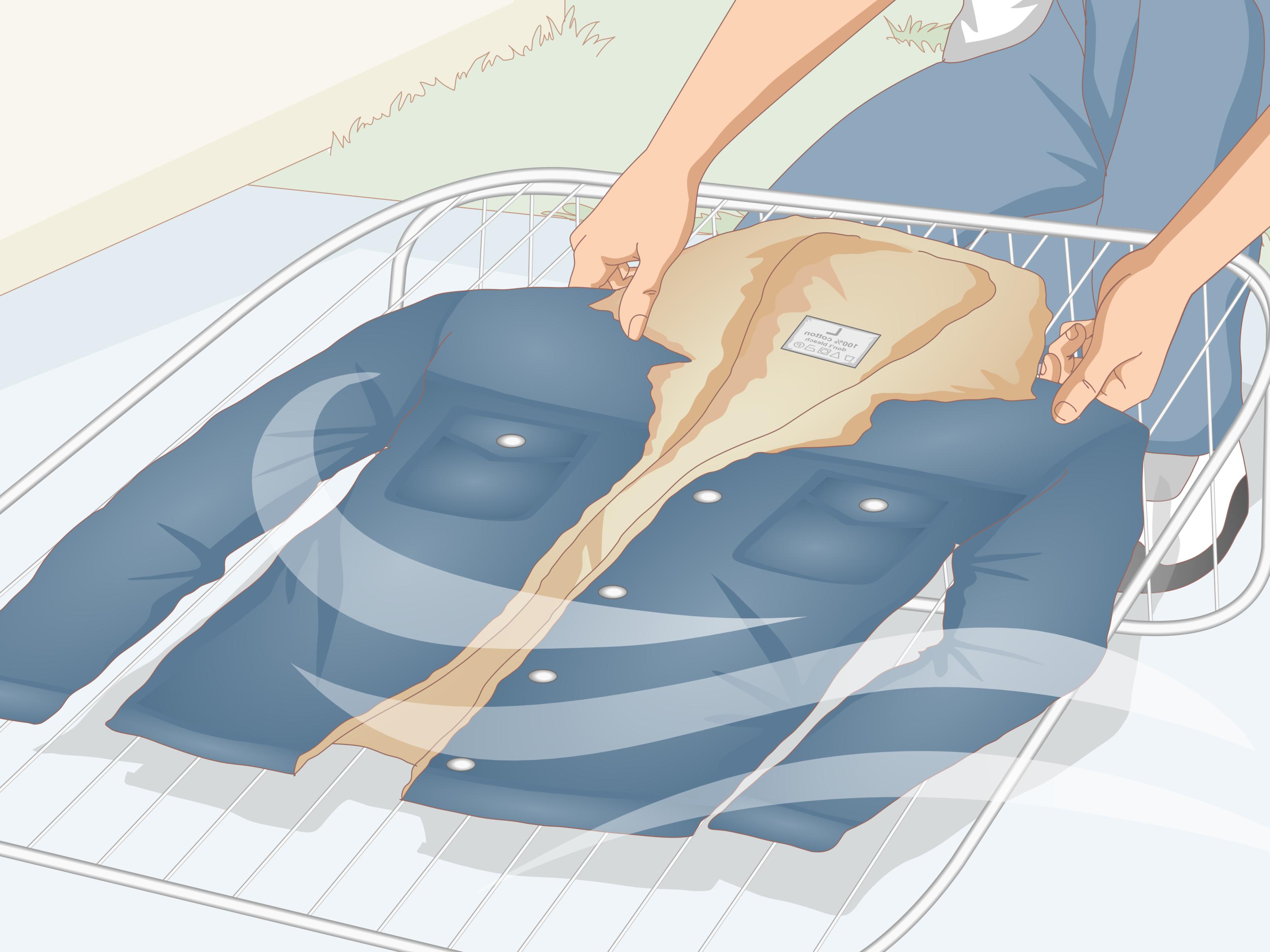
The safest drying method is air drying. Lay the jacket flat on a clean towel or hang it on a sturdy hanger in a well-ventilated area. Keep it away from direct heat and strong sunlight. If the care label allows machine drying, use low heat or air fluff only, then remove it while slightly damp and let it finish air drying.
Never use high heat. High heat can shrink, melt, flatten, or stiffen synthetic sherpa fibers. Your jacket should come out cozy, not crispy.
Way 2: Hand Wash a Sherpa Jacket
Hand washing is best for delicate sherpa jackets, oversized jackets that barely fit in your washer, vintage pieces, jackets with special trims, or any sherpa you deeply love and emotionally cannot risk. It takes a little more time, but it gives you more control.
Step 1: Fill a Tub or Basin with Cold Water
Use a clean sink, bathtub, or large basin. Fill it with cold water and add a small amount of mild detergent. Swish the water with your hand until the detergent dissolves. You do not need bubbles tall enough to host a foam party. A little detergent is enough.
Step 2: Submerge and Soak
Place the jacket in the water and gently press it down until fully submerged. Let it soak for 15 to 30 minutes. During this time, gently squeeze the water through the fabric. Do not twist, wring, scrub, or yank the sherpa. Rough handling can distort the shape and crush the fluffy pile.
Step 3: Focus on Problem Areas
Pay extra attention to cuffs, collar, underarms, pocket edges, and the front zipper area. These zones usually collect the most skin oils, sweat, and everyday grime. Use your fingertips to gently massage soapy water into those areas. For stubborn stains, apply a tiny bit of detergent directly to the spot, wait a few minutes, then rinse.
Step 4: Rinse Thoroughly
Drain the soapy water and refill the basin with clean cold water. Press the jacket gently to release detergent. Repeat until the water runs clear and the jacket no longer feels slippery. This step matters. Leftover detergent can make sherpa feel stiff, dull, or slightly tacky.
Step 5: Remove Water Without Wringing
Lift the jacket carefully and press out excess water. Then lay it flat on a clean towel. Roll the towel with the jacket inside and press gently to absorb moisture. Unroll, reshape the jacket, and lay it flat on another dry towel or hang it to dry. Turn it occasionally so both sides dry evenly.
Way 3: Spot Clean and Refresh a Sherpa Jacket
Not every sherpa jacket needs a full wash. If the jacket is mostly clean but has one stain, light odor, or flattened areas, spot cleaning is faster and gentler. This method helps extend the life of your jacket because overwashing can cause unnecessary wear.
Step 1: Remove Surface Lint and Hair
Use a lint roller, fabric brush, or slightly damp microfiber cloth to remove pet hair, lint, dust, and surface debris. Brush in the direction of the sherpa pile. For stubborn lint, wrap tape around your hand, sticky side out, and dab lightly. Do not grind tape into the fibers.
Step 2: Mix a Gentle Cleaning Solution
Combine cold water with a drop or two of mild liquid detergent. Dip a clean white cloth into the solution, then wring it out so it is damp, not dripping. Blot the dirty area gently. Work from the outside of the stain toward the center to avoid spreading it.
Step 3: Rinse the Spot
Dampen another clean cloth with plain cold water and blot the area to remove detergent. Repeat until no soap remains. This prevents residue from drying inside the sherpa pile.
Step 4: Air Dry and Fluff
Let the spot air dry completely. Once dry, use a soft-bristle brush, clean pet slicker brush, or wide-tooth comb to gently lift the fibers. Always test brushing on a hidden area first. The goal is to separate fibers, not perform emergency surgery on your jacket.
How to Keep Sherpa Soft After Washing
Softness depends on three things: gentle washing, complete rinsing, and low-heat drying. If your sherpa feels matted after washing, wait until it is fully dry before brushing. Wet sherpa is more fragile and easier to stretch. Once dry, brush small sections lightly in different directions to restore fluff.
Avoid dryer sheets, fabric softener, bleach, high heat, heavy spin cycles, and washing with linty items. These are the usual suspects when sherpa turns from plush to patchy. If your jacket has severe matting, brushing may improve it, but it may not return it to factory-new condition. Prevention is easier than fluff resurrection.
Common Mistakes When Washing a Sherpa Jacket
Using Too Much Detergent
Too much detergent can cling to the fibers and make sherpa feel stiff. Use less than you would for a full load of laundry, especially if washing one jacket.
Washing with Towels
Towels shed lint and create friction. Sherpa grabs lint enthusiastically, then refuses to let go. Wash sherpa with similar synthetic fleece items or alone.
Drying on High Heat
High heat is the villain in many sherpa laundry stories. It can damage synthetic fibers, flatten the pile, and make the texture rough. Choose air drying or low heat only if the care tag allows it.
Brushing While Wet
Brushing wet sherpa can stretch and damage fibers. Let it dry completely first, then fluff gently.
How Often Should You Wash a Sherpa Jacket?
Most sherpa jackets do not need washing after every wear. If you wear yours casually over clean clothes, wash it only when it smells, looks dirty, or has stains. For seasonal wear, one or two full washes per season may be enough, with spot cleaning in between. If you wear it during hikes, camping trips, outdoor work, or around pets, you may need to wash it more often.
Between washes, hang the jacket in fresh air for a few hours, brush away lint, and spot clean small marks quickly. This keeps the jacket fresh without exposing it to unnecessary machine cycles.
Best Products for Washing Sherpa
Choose a mild liquid detergent that is free from bleach and heavy fragrance. A detergent designed for delicate fabrics or synthetic performance wear is also a good option. If your jacket has a water-resistant shell or technical fabric panel, use a cleaner made for outdoor garments and follow the label carefully.
Skip chlorine bleach, oxygen bleach unless the care label clearly allows it, fabric softener, dryer sheets, harsh stain sprays, and hot water. Sherpa does not need a spa day with 12 products. It needs cold water, mild detergent, and patience.
Experience Section: Real-Life Lessons from Washing Sherpa Jackets
After washing more sherpa jackets than I care to admit, here is the honest truth: the wash itself is usually not the problem. The problem is rushing. Sherpa punishes shortcuts. The first time I washed a sherpa-lined jacket, I treated it like a regular hoodie. Warm water, normal cycle, regular detergent, dryer on medium. It survived, technically, but the texture changed. The fluffy parts looked tired, like the jacket had just finished tax season.
The second attempt went much better because I slowed down. I zipped the jacket, turned it inside out, washed it alone in cold water, and used about half the detergent I normally would. That made a huge difference. The jacket rinsed cleaner, felt lighter, and did not have that slightly sticky detergent feel. The biggest surprise was drying time. Sherpa can hold more water than expected, especially around cuffs, hems, and thick collars. Hanging it in a warm, airy room worked better than tossing it in the dryer and hoping for laundry magic.
Another useful lesson: brushing matters, but timing matters more. Brushing before washing helps remove lint and hair. Brushing after drying helps restore fluff. Brushing while damp, however, can make the fibers clump or stretch. A soft brush used lightly after the jacket is completely dry can make flattened sherpa look much better. Small sections are easier to manage than attacking the whole jacket like you are grooming a mountain goat.
Pet hair is its own adventure. If you have a dog, cat, or mysterious sofa lint, remove as much hair as possible before washing. A lint roller before the wash saves frustration afterward. Once pet hair gets wet and tangled into sherpa, it becomes emotionally committed to staying there. For dark sherpa jackets, washing separately is especially important because lint shows up like tiny white fireworks.
Hand washing is worth it for special jackets. It feels slower, but it is often safer for sherpa with decorative buttons, faux leather trim, or mixed fabrics. The towel-roll method for removing water is a game changer. Wringing can stretch the jacket, while rolling it in a towel pulls out moisture without twisting the fabric. It also helps the jacket dry faster and keep its shape.
The final lesson is simple: do not overwash. Many sherpa jackets only need spot cleaning and airing out between wears. Full washing is best saved for real dirt, odors, stains, or end-of-season cleaning. Treat your sherpa jacket gently, and it will keep doing its main job: making you look cozy enough to be invited to every bonfire, coffee run, and chilly morning walk.
Conclusion
Washing a sherpa jacket is easy when you match the method to the mess. Use machine washing for full cleaning, hand washing for delicate pieces, and spot cleaning for small stains or quick refreshes. Keep the water cold, use mild detergent, avoid fabric softener and bleach, and dry with low or no heat. Once fully dry, gently brush the sherpa to bring back its fluffy texture.
The secret is not fancy laundry equipment. It is patience, gentle handling, and resisting the urge to treat sherpa like a regular sweatshirt. Do that, and your favorite jacket will stay warm, soft, and ready for another season of looking effortlessly cozy.
Note: This article is written for general home garment care. Always follow the care label on your specific jacket, especially if it has leather, suede, waterproof coatings, insulation, embroidery, or delicate trim.
SEO Tags