
A long bath is one of life’s most affordable luxuries. Add warm water, a little bath salt, soft lighting, and suddenly you are approximately 14% closer to becoming a person who owns a villa in Tuscany. The only problem? Most bathtubs offer nowhere to place your book, tea, candle, skincare, or the dramatic amount of bubbles you insist are medically necessary.
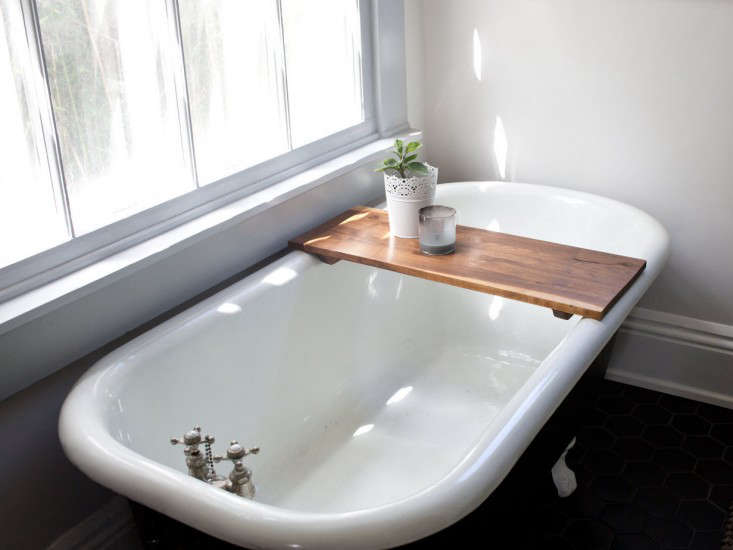
That is where a walnut bathtub tray caddy earns its place in the bathroom. This simple accessory stretches across the rim of a tub and creates a sturdy landing zone for your bath essentials. It can hold a book, tablet, drink, candle, face mask, phone, or the kind of tiny snack plate that says, “I am relaxing responsibly, but also with crackers.”
Walnut is especially appealing because of its deep brown tones, natural grain, and polished look. It feels warmer and more sophisticated than plastic, less beach-house casual than bamboo, and less industrial than metal. But before you bring a walnut bath tray into a humid bathroom, it helps to understand what makes one worth buying, how to care for it, and which features actually improve your soak instead of merely looking good in a product photo.
Why Choose a Walnut Bathtub Tray Caddy?
A walnut bathtub tray caddy is more than a decorative board balanced over your tub. It is a practical bath organizer that turns unused space into a convenient shelf. The best designs make it easier to relax without repeatedly reaching toward the floor, balancing items on the tub ledge, or performing the dangerous “I swear my phone will not fall in” maneuver.
Walnut is commonly valued for its rich chocolate-brown color, fine visual character, and relatively stable performance compared with many other hardwoods. It machines, sands, and finishes well, which is why it appears in fine furniture, cabinetry, and decorative home accessories.
In a bathroom, walnut can create a warm contrast against white porcelain, pale stone, matte black fixtures, brushed brass, or soft gray tile. It brings an organic element to a room that can otherwise feel like a showroom full of shiny hard surfaces. Even a small walnut bath tray can make the space feel more layered, intentional, and less like it was decorated exclusively by a plumbing catalog.
Walnut Brings Warmth to Modern Bathrooms
Modern bathrooms often feature sleek materials such as ceramic tile, glass, chrome, quartz, and acrylic. These materials are practical, but they can sometimes feel chilly. A walnut bathtub caddy softens the look without requiring a renovation, contractor, or mysterious invoice labeled “miscellaneous labor.”
The dark tones of walnut work especially well in bathrooms with:
- White or cream freestanding tubs
- Marble-look tile
- Black faucets and hardware
- Brass mirrors or light fixtures
- Earth-tone towels and linen robes
- Minimalist or spa-inspired decor
A walnut bath tray can also help tie a bathroom to nearby furniture. If your bedroom includes walnut nightstands, a dark wood dresser, or warm brown flooring, adding walnut to the bathroom creates visual continuity. It is a small detail, but small details are how a room stops looking accidental.
What Makes a Good Walnut Bath Caddy?
Not every bathtub tray is built the same. Some are beautiful but unstable. Some have more compartments than a spaceship dashboard. Others are technically adjustable but somehow still do not fit your tub. Before buying a walnut bathtub tray caddy, focus on construction, fit, finish, and practical features.
1. Adjustable Width
Bathtubs vary widely in width, especially when comparing standard alcove tubs, deep soaking tubs, clawfoot tubs, and freestanding models. A fixed-width tray can work beautifully if your measurements are accurate, but an adjustable bathtub caddy offers more flexibility.
Many expandable bath caddies are designed to span a range of tub widths. Current market examples range from roughly 24 inches to more than 31 inches, while some expandable models extend close to 37 inches.
Before ordering, measure the outside width of your tub from one rim to the other. Do not measure the inside basin. The tray rests on the tub edges, so the outside rim-to-rim measurement is the one that matters. This tiny step can save you from receiving a gorgeous walnut caddy that fits your bathtub the way a pizza box fits in a mailbox.
2. Non-Slip Supports
A bath caddy should stay put. Look for silicone pads, rubber feet, padded grips, or nonslip arms beneath the tray. These features protect the tub surface from scratches and reduce sliding when you place a book, cup, candle, or tablet on top.
Slip-resistant supports are especially important for porcelain, acrylic, enamel, and smooth composite tubs. A tray that moves every time you adjust your towel is not a relaxation accessory. It is an audition for a low-budget suspense movie.
3. A Thoughtful Surface Layout
A good walnut bathtub tray caddy should provide useful organization without turning your bath into a buffet table. Consider what you actually use during a soak. Some people want space for a novel and tea. Others want a tablet stand, bath salts, candle, face mask, wine glass, hand towel, and a snack that definitely counts as self-care.
Useful features may include:
- A center slot for a book, tablet, or e-reader
- A phone slot that keeps the device upright and away from splashes
- A wine glass holder or cup recess
- A small dish area for jewelry or hair clips
- A removable tray for soap, bath salts, or skincare
- Side hooks for a washcloth or loofah
Some popular bath tray designs include dedicated holders for phones, books, tablets, wine glasses, and hanging bath accessories.
4. Strong, Smooth Construction
Look for a tray made from solid walnut or a well-built hardwood construction with smooth edges, secure joints, and a stable center span. A tray should feel substantial enough to support everyday bath items, but not so heavy that moving it becomes an upper-body workout.
Inspect the product description for details such as:
- Solid wood versus thin veneer
- Rounded edges and sanded corners
- Moisture-resistant hardware
- Reinforced sliding arms
- Weight capacity
- Finish type and care instructions
If a listing barely mentions the wood, finish, dimensions, or support system, treat that as a clue. A bathtub tray should not require detective work just to learn whether it can survive a humid room.
Is Walnut Good for a Bathtub Tray?
Walnut can be an excellent choice for a bathtub tray, but it needs the right finish and reasonable care. Walnut is durable and visually refined, yet it is still real wood. Real wood responds to humidity, moisture, and repeated wet-and-dry cycles. It is not secretly a waterproof superhero wearing a fancy grain pattern.
Wood naturally absorbs and releases moisture as humidity changes. That movement can lead to swelling, shrinking, checking, warping, or stress on a finish if the wood is repeatedly exposed to moisture without proper protection.
This does not mean walnut should be avoided. It means a walnut bath tray should be sealed correctly and dried after use. A well-finished walnut caddy can handle the occasional splash and bathroom humidity far better than unfinished decorative wood.
Water-Resistant Does Not Mean Waterproof
This distinction matters. A water-resistant walnut bathtub tray can tolerate droplets, steam, and occasional contact with damp items. A waterproof tray would theoretically tolerate prolonged soaking, standing water, and constant saturation. Most wooden bath trays belong in the first category, not the second.
For a bathroom accessory, a durable varnish, polyurethane-style coating, marine-grade finish, or another moisture-resistant finish is often more practical than a simple decorative oil. Woodworking guidance commonly recommends varnish-based protection for wood used in kitchens or bathrooms because oil finishes alone provide limited moisture resistance.
When shopping, look for phrases such as:
- Moisture-resistant finish
- Water-resistant coating
- Sealed hardwood
- Marine-grade varnish
- Protected with polyurethane
- Finished on all sides
A quality finish should cover the top, underside, edges, joints, and exposed end grain. The bottom matters just as much as the top because steam and condensation do not care which side of your tray looks more photogenic.
How to Style a Walnut Bathtub Tray Caddy
The best part of a walnut bath caddy is that it can be functional without looking cluttered. Think of it as a tiny stage for your favorite bath-time essentials. The goal is not to pile on every object you own. The goal is to create a small, peaceful setup that makes your bath feel intentional.
The Reader’s Retreat
For a bookish bath setup, place a paperback, e-reader, or waterproof book stand in the center. Add a mug of herbal tea, a folded washcloth, and one low candle in a stable holder. Keep the scene simple. A bath should feel like a quiet escape, not like you are hosting a miniature library fundraiser.
The At-Home Spa Setup
Use the tray for a glass jar of bath salts, a small dish of facial tools, a soft towel, and a candle with a clean scent such as eucalyptus, lavender, cedar, or citrus. Add a small vase with a single flower or a sprig of greenery if you want the bathroom to feel a little more polished.
The Movie Night Bath
A tablet holder can turn a long soak into a cozy viewing session, but be realistic about safety. Keep electronics away from splashing water, never charge devices near the tub, and use a stable stand rather than balancing a screen on a shampoo bottle like a person who has lost faith in physics.
The Minimalist Bath
A walnut tray does not need to be full to look good. One book, one drink, and one candle can be enough. The dark wood provides visual interest on its own, especially against a white tub. Sometimes the luxury is not having more stuff. Sometimes it is having a place for the three things you actually want.
How to Care for a Walnut Bathtub Tray
Proper care can help a walnut bathtub caddy look good for years. The routine is simple, and it takes less time than choosing a show to watch while soaking.
Wipe It Dry After Every Use
After your bath, use a soft dry cloth to remove water droplets, soap residue, oils, and condensation. Do not leave the tray sitting over a steamy tub for hours after the water has drained. Move it to a dry, ventilated spot so both sides can air out.
Clean With Mild Soap Only When Needed
For occasional cleaning, use a soft cloth lightly dampened with mild soap and water. Avoid abrasive scrubbers, bleach, harsh bathroom cleaners, and strong degreasers. These products can dull the finish, strip protective coatings, or leave the wood looking tired and patchy.
Do Not Soak or Submerge It
A walnut bath caddy is designed to sit across a tub, not float in it. Do not soak it, leave it in standing water, or use it as a portable serving tray in the shower. It may look elegant, but it has boundaries.
Refresh the Finish When Necessary
Over time, a wood tray may begin to look dry, dull, or less resistant to water. Follow the manufacturer’s care instructions first. Some trays can be refreshed with a compatible wood conditioner or maintenance oil, while others may require a specific topcoat. If water stops beading and begins soaking into the surface, the finish may need attention.
Walnut vs. Bamboo vs. Teak Bathtub Caddies
Walnut is not the only option for a bathtub tray, so it helps to understand how it compares with other popular materials.
Walnut
Walnut feels upscale, warm, and furniture-like. It is ideal for bathrooms where appearance matters as much as function. It needs a good finish and regular drying, but its dark grain gives it a more sophisticated look than many lighter wood options.
Bamboo
Bamboo bath caddies are widely available, lightweight, and often affordable. Their pale color works well in airy, coastal, Scandinavian, and spa-inspired bathrooms. Bamboo is frequently used in humid spaces, but quality varies. Lower-cost models may still crack, warp, or develop rough spots if their finish is weak.
Teak
Teak is often chosen for bathrooms because it is associated with outdoor furniture and moisture-prone spaces. It has a naturally warm golden tone and a more relaxed, resort-like appearance. Teak is usually more expensive, but it can be a strong choice for people who want a wood tray with a casual luxury feel.
Metal or Plastic
Metal and plastic caddies can be practical, easy to wipe down, and more resistant to water exposure. However, they may not provide the warmth or visual richness of walnut. A stainless steel caddy may suit a sleek modern bathroom, while a walnut caddy is often better for someone who wants the tub area to feel more inviting and less like a medical laboratory.
What to Avoid When Buying a Walnut Bathtub Tray
A stylish product photo can hide a lot. Avoid buying a walnut bath caddy that has vague dimensions, no nonslip pads, thin sliding arms, unfinished wood, or decorative compartments that leave almost no useful flat space.
Also be cautious with trays that promise to hold a laptop, a massive tablet, two cocktails, a hardcover book, a candle collection, and what appears to be an entire charcuterie board. A bath tray should support reasonable essentials, not become a floating dining table.
Choose a design that matches your habits. If you read in the bath, prioritize a stable book rest. If you enjoy face masks and bath oils, choose a wide center tray. If you use your phone, select a model with a secure upright slot. If you mostly want the bathroom to look prettier, a simple solid walnut tray with clean lines may be perfect.
Real-World Experiences With a Walnut Bathtub Tray Caddy
A walnut bathtub tray caddy often starts as a decorative purchase. Someone sees one in a beautifully staged bathroom photo, imagines a peaceful evening with a book and candle, and thinks, “Yes, I too deserve to be this organized.” Then the tray arrives, gets placed over the tub, and quickly becomes one of those small household upgrades that feels surprisingly useful.
One of the first things people notice is how much easier it is to settle into a bath without climbing in and out again. Before using a bath tray, it is common to place a book on the floor, a drink on the edge of the vanity, and bath salts somewhere inconveniently far away. The result is a lot of reaching, dripping, and awkward twisting. With a tray, everything sits at arm’s length. That may sound minor, but bath time becomes more relaxing when you do not have to perform a yoga pose every time you want a sip of tea.
Walnut also tends to change the atmosphere of the bathroom. A basic white tub can suddenly look more intentional when it has a dark wood tray across it. Even when the tray is empty, it can make the bathroom look styled rather than unfinished. It becomes a functional decor piece, especially in homes where the bathroom needs warmth but there is no room for extra furniture.
People who enjoy reading often appreciate the book holder most. A proper groove or upright rest keeps pages from closing and makes it easier to read without holding the book above the water. Of course, this does not prevent the classic bath problem of getting so relaxed that you read the same paragraph six times. That part is between you and your candle.
The phone slot can also be helpful, although it is best used thoughtfully. Some people use it for soft music, an audiobook, a meditation track, or a podcast. Others use it to watch a show, which is understandable because nothing says “self-care” like watching a home renovation program while soaking in bubbles. Still, the tray should keep the phone away from splashes, and charging cables should remain far from the tub.
For couples, a wider walnut bath caddy can make a shared bath feel more special. It can hold two drinks, a small snack bowl, and a candle without creating clutter. The key is not to overload it. A tray full of glasses, food, towels, soap, bath bombs, and electronics can quickly turn romantic relaxation into a balancing challenge.
Another common experience is learning that wood care matters. Owners who wipe down their tray after use usually keep it looking rich and smooth. Owners who leave it over a steaming tub overnight may eventually notice dullness, water marks, or a slightly rough texture. The lesson is simple: walnut is durable, but it appreciates basic manners. Dry it, store it somewhere ventilated, and do not treat it like a waterproof plastic shelf.
Over time, a walnut bathtub tray often becomes part of a routine. It might hold a cup of tea on Sunday evenings, a novel after a stressful workday, or a candle and bath salts during a much-needed reset. That is the real value of the accessory. It does not transform a bathroom into a five-star spa by magic. It simply makes it easier to slow down, enjoy the space you already have, and give your bathtub a job beyond holding shampoo bottles.
Final Thoughts
A walnut bathtub tray caddy is a small upgrade with a big visual payoff. It creates a convenient surface for bath essentials, adds warmth to the bathroom, and makes a regular soak feel more organized and intentional. The best option is one that fits your tub securely, includes nonslip supports, offers useful storage, and has a durable moisture-resistant finish.
Walnut is a particularly attractive choice for people who want a luxury bath accessory that feels timeless rather than trendy. Treat it well, wipe it dry after use, avoid prolonged standing water, and it can become one of the most useful little pieces in your home. After all, a bathtub deserves better than being surrounded by a book on the floor, a candle on the toilet tank, and a phone balanced on a bottle of shampoo.