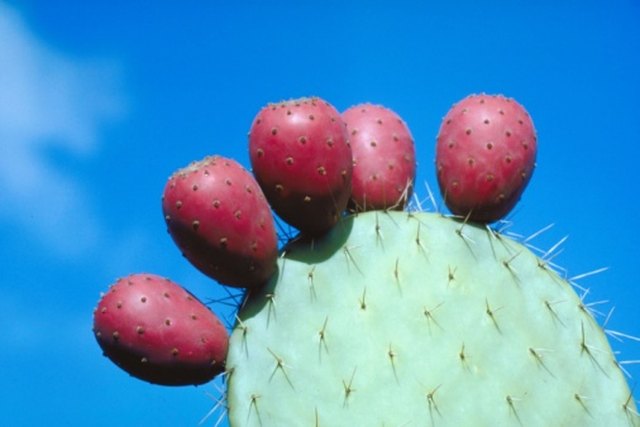

Prickly pear cactus looks like something nature designed after drinking too much espresso: flat green pads, bright fruit, tiny invisible spines, and a personality that says, “Handle me carefully or regret it.” But behind its prickly attitude is a surprisingly useful plant that has been eaten, juiced, cooked, and used in traditional wellness practices for generations.
Also known as nopal, opuntia, cactus pear, or tuna fruit, prickly pear cactus is more than a desert decoration. Its pads and fruit are used in Mexican, Southwestern, Mediterranean, and Latin American cooking. Today, people are curious about it for digestion, blood sugar support, hydration, antioxidants, heart health, skin care, and even hangover recovery.
So, what is prickly pear cactus good for? The honest answer: it can be a nutritious food with several promising benefits, but it is not a magic cure wearing cactus pajamas. Let’s separate the real benefits from the internet hype.
What Is Prickly Pear Cactus?
Prickly pear cactus belongs to the Opuntia family. The plant has two edible parts: the flat green pads, often called nopales, and the colorful fruit, often called prickly pear fruit or cactus pear. The pads taste slightly tart and green-bean-like, while the fruit is usually sweet, juicy, and sometimes compared to watermelon, kiwi, pear, or melon.
The fruit can be red, purple, yellow, orange, or green depending on the variety and ripeness. The bright color comes from plant pigments such as betalains, which also contribute to its antioxidant profile. The pads are commonly grilled, sautéed, scrambled with eggs, added to tacos, blended into smoothies, or sliced into salads.
One warning before you get adventurous: prickly pear cactus has tiny barbed spines called glochids. They can be hard to see and very annoying to remove from skin. In other words, this is not the fruit to dramatically grab barehanded at the farmers market unless your hobby is regret.
Prickly Pear Cactus Nutrition: Small Calories, Big Personality
Prickly pear cactus is valued because it is naturally low in calories and fat while offering fiber, vitamin C, magnesium, potassium, calcium, and antioxidant compounds. The exact nutrition depends on whether you are eating the pads or the fruit, but both can fit nicely into a balanced diet.
Key nutrients in prickly pear cactus
- Fiber: Supports digestion, fullness, and healthy cholesterol balance.
- Vitamin C: Helps support immune function, skin health, and antioxidant protection.
- Magnesium: Plays a role in muscle function, nerve function, blood pressure regulation, and energy production.
- Potassium: Supports fluid balance and heart function.
- Calcium: Found especially in cactus pads, useful for bones and teeth.
- Betalains and polyphenols: Plant compounds that help protect cells from oxidative stress.
This nutrient mix is why prickly pear has earned a reputation as a “functional food.” That phrase simply means it provides nutrition plus potential health-supporting compounds. It does not mean it can replace medical care, prescription medicine, or a balanced diet. Sadly, no cactus can cancel out three weeks of drive-thru dinners and zero sleep.
What Is Prickly Pear Cactus Good For?
Prickly pear cactus may support several areas of wellness when used as food. The strongest practical benefits come from its fiber, antioxidants, hydration, and mineral content. Some research also suggests potential effects on blood sugar and cholesterol, especially when cactus pads are eaten with meals.
1. Supporting Healthy Blood Sugar Levels
One of the most talked-about prickly pear cactus benefits is blood sugar support. Some small studies suggest that eating nopales may help reduce blood sugar spikes after meals, especially in people with type 2 diabetes. This effect is likely related to the plant’s fiber, pectin, and mucilage, which can slow digestion and reduce how quickly carbohydrates are absorbed.
For example, adding cooked nopales to a meal containing beans, eggs, tortillas, or lean protein may help make the meal more blood-sugar-friendly. The cactus is not “fighting sugar” like a tiny green superhero. It is simply adding fiber and plant compounds that may help the body handle a meal more gradually.
However, people who take diabetes medication should be careful. Prickly pear cactus may lower blood sugar in some people, and combining it with glucose-lowering medicine could increase the risk of blood sugar dropping too low. Anyone managing diabetes should talk with a healthcare professional before using prickly pear supplements or making major dietary changes.
2. Helping Digestion and Gut Health
Prickly pear cactus is good for digestion mainly because it contains both soluble and insoluble fiber. Soluble fiber forms a gel-like texture during digestion, which can support regularity and help feed beneficial gut bacteria. Insoluble fiber adds bulk to stool and helps keep things moving.
If you have ever cooked nopales, you may have noticed their slightly slippery texture. That comes from mucilage, a natural plant gel. It might look a little dramatic in the pan, but it is part of what makes cactus pads useful for digestive comfort and satiety.
The key is moderation. Suddenly eating a mountain of cactus because “fiber is healthy” can backfire. Your digestive system appreciates teamwork, not surprise cactus invasions. Start with small portions and drink enough water.
3. Supporting Heart Health
Prickly pear cactus may support heart health because it contains fiber, potassium, magnesium, and antioxidant compounds. Some research suggests that prickly pear may help improve cholesterol markers, including total cholesterol and LDL cholesterol, though more large human studies are needed.
Fiber can help reduce cholesterol absorption in the digestive tract. Potassium supports healthy blood pressure balance, while magnesium is involved in normal heart rhythm and vascular function. The antioxidants in prickly pear fruit may also help reduce oxidative stress, which is linked to long-term cardiovascular health.
A heart-smart way to use prickly pear cactus is simple: add grilled nopales to tacos with beans, avocado, salsa, and lean protein. That meal gives you fiber, healthy fats, minerals, and flavor without turning dinner into a lecture.
4. Providing Antioxidant and Anti-Inflammatory Compounds
Prickly pear fruit contains antioxidants such as betalains, flavonoids, carotenoids, and vitamin C. These compounds help protect cells from oxidative stress caused by normal metabolism, pollution, poor sleep, intense exercise, and other daily stressors.
Antioxidants are often overhyped online, but they are still important. Think of them less as miracle workers and more as the cleanup crew after a very busy party inside your body. Prickly pear does not make you invincible, but it can contribute to a colorful, plant-rich diet that supports overall health.
Some studies also suggest prickly pear may reduce certain inflammatory markers. This does not mean it treats inflammatory disease, but it does support the idea that prickly pear can be part of an anti-inflammatory eating pattern along with vegetables, fruits, legumes, nuts, seeds, whole grains, and healthy fats.
5. Helping Hydration
Cactus pads contain a high amount of water, which makes sense because the plant is built to survive dry environments. Eating nopales or prickly pear fruit can contribute to daily hydration, especially when paired with water-rich foods like cucumber, citrus, tomatoes, and leafy greens.
Prickly pear juice is also popular in beverages, smoothies, lemonades, and mocktails. Just remember that juice removes some of the fiber and can be easier to overconsume. Whole fruit is usually the better everyday choice if your goal is nutrition rather than just flavor.
6. Supporting Weight Management
Prickly pear cactus may help with weight management because it is low in calories and high in fiber. Fiber helps you feel fuller after meals, which can make it easier to avoid random snack attacks from the pantry at 10:47 p.m.
The pads are especially useful because they can add volume to meals without adding many calories. Try chopped nopales in scrambled eggs, grilled cactus in tacos, or sliced nopales in a salad with tomatoes, onions, lime juice, and cilantro.
Still, prickly pear is not a weight-loss shortcut. No single food melts fat. Sustainable weight management depends on total eating patterns, activity, sleep, stress, and consistency. Prickly pear can be a helpful ingredient, not a personal trainer with thorns.
7. Supporting Skin Health
Prickly pear fruit and seed oil are often used in skin care because they contain vitamin E, fatty acids, antioxidants, and soothing plant compounds. In food form, prickly pear contributes vitamin C, which supports collagen production and skin repair.
In topical products, prickly pear seed oil is marketed for moisture, softness, and antioxidant support. People with sensitive skin should patch test new products first, because natural ingredients can still cause irritation. Poison ivy is natural too, and nobody is inviting it to the skincare shelf.
8. Possible Hangover Support
Prickly pear cactus extract has been studied for hangover symptoms, and some research suggests it may reduce certain unpleasant effects, possibly due to anti-inflammatory activity. However, this does not make it a hangover cure.
The smartest approach is still prevention: hydration, food, moderation, and avoiding excessive alcohol. Prickly pear may be interesting scientifically, but it should not be treated like a permission slip for bad decisions.
How to Eat Prickly Pear Cactus
Prickly pear cactus can be delicious when prepared correctly. The pads and fruit are used differently, so it helps to know what you are buying.
How to use cactus pads
- Grill whole pads and serve with lime and salt.
- Slice nopales into strips for tacos, fajitas, or salads.
- Dice them into scrambled eggs with onion and tomato.
- Add them to soups, stews, or bean dishes.
- Blend a small amount into a green smoothie.
How to use prickly pear fruit
- Peel and eat the chilled fruit fresh.
- Blend into smoothies or agua fresca.
- Strain the juice for syrups, sauces, or salad dressings.
- Add cubes to fruit salad.
- Use the puree in yogurt bowls, chia pudding, or desserts.
Always remove spines and glochids before eating. Many grocery stores sell cleaned cactus pads, which is ideal if you prefer your dinner without a tiny needle-based side quest.
Who Should Be Careful With Prickly Pear Cactus?
Prickly pear cactus is generally safe as a food for most people, but it is not perfect for everyone. Some people may experience nausea, bloating, mild diarrhea, increased stool frequency, or abdominal fullness, especially with larger amounts.
People taking diabetes medication should be cautious because prickly pear may affect blood sugar levels. People scheduled for surgery, those taking multiple medications, pregnant or breastfeeding people, and anyone with a medical condition should ask a healthcare professional before using prickly pear supplements.
Supplements are also different from food. A plate of grilled nopales is not the same as a concentrated capsule or powder. Supplements may vary in strength, purity, and quality, so food-based use is usually the more practical and predictable option.
Prickly Pear Cactus vs. Supplements: Which Is Better?
For most people, eating prickly pear cactus as food is the best place to start. Whole foods provide fiber, water, vitamins, minerals, and plant compounds in a balanced package. Supplements may be convenient, but they can deliver concentrated amounts that are harder to evaluate.
If your goal is better digestion, more fiber, or a more colorful diet, choose fresh nopales or prickly pear fruit. If your goal is managing a medical condition, do not self-treat with capsules. Talk with a qualified clinician first.
Practical Examples: Easy Ways to Add Prickly Pear to Your Diet
Breakfast idea
Scramble eggs with diced nopales, tomato, onion, and a sprinkle of cheese. Serve with avocado and corn tortillas. This is filling, colorful, and much more exciting than another sad bowl of plain cereal.
Lunch idea
Make a cactus salad with cooked nopales, cherry tomatoes, red onion, cilantro, lime juice, olive oil, black beans, and grilled chicken or tofu. It is refreshing, fiber-rich, and meal-prep friendly.
Drink idea
Blend peeled prickly pear fruit with lime juice, cold water, and a small amount of honey if needed. Strain the seeds if you prefer a smoother drink. Serve over ice for a bright, naturally colorful refresher.
Dinner idea
Grill cactus pads and serve them with fish, beans, salsa, and roasted vegetables. The slight tang of nopales works beautifully with smoky, spicy, and citrusy flavors.
Common Myths About Prickly Pear Cactus
Myth 1: It cures diabetes
Prickly pear cactus may help support blood sugar control, but it does not cure diabetes. It should never replace prescribed treatment or medical guidance.
Myth 2: The fruit and pads do the exact same thing
The pads are often higher in vegetable-like fiber and are commonly used in savory meals. The fruit is sweeter and richer in colorful antioxidants. Both are useful, but they are not identical.
Myth 3: Natural means risk-free
Natural foods can still cause digestive issues, allergies, or medication interactions. Prickly pear is healthy for many people, but smart use matters.
Myth 4: Prickly pear juice is always healthy
Prickly pear juice can be refreshing, but bottled versions may contain added sugar. Whole fruit and cooked pads usually provide more fiber and better everyday nutrition.
of Real-Life Experience: What Using Prickly Pear Cactus Feels Like in Everyday Cooking
The first experience many people have with prickly pear cactus is not a health revelation. It is confusion. You see it at a market, glowing like a jewel from another planet, and think, “Am I supposed to eat this or display it next to a candle?” Then you notice the tiny spines and suddenly understand why the cactus has survived for so long. It has boundaries.
Once prepared properly, though, prickly pear becomes much friendlier. The fruit is the easy gateway. Chilled prickly pear fruit tastes juicy, lightly sweet, and refreshing, especially with lime. The seeds are edible but hard, so some people chew around them while others blend and strain the pulp. The color alone makes it feel special. A deep magenta prickly pear drink can make plain lemonade look like it forgot to dress up for the party.
The pads are a different experience. Fresh nopales can feel intimidating because they need cleaning, trimming, and sometimes a little patience. When cooked, they release a slippery liquid similar to okra. This surprises people at first, but it is normal. Rinsing after boiling or grilling over high heat can reduce that texture. Once cooked, nopales have a tangy, bright flavor that works well with eggs, beans, salsa, cheese, grilled meats, and roasted vegetables.
In everyday meals, prickly pear cactus is most useful when it is treated like a supporting character rather than the entire show. Add diced nopales to breakfast tacos and they bring freshness. Add them to a bean salad and they make the dish more interesting. Grill them and they become smoky, tender, and slightly citrusy. Blend prickly pear fruit into a smoothie and it adds color, mild sweetness, and a little “where has this been all my life?” energy.
One practical lesson is that buying cleaned nopales saves time. Unless you enjoy carefully removing tiny spines like a desert-themed puzzle, cleaned cactus pads from a grocery store or Latin market are worth it. For fruit, use tongs or gloves if the skin has not already been cleaned. Peel it before eating, and do not rub your eyes after handling it. That advice sounds obvious until one invisible glochid decides to become a personal villain.
Another experience-based tip is to pair prickly pear with bold flavors. Lime, chili, cilantro, tomato, onion, garlic, jalapeño, orange, mint, and ginger all work well. The fruit is excellent in chilled drinks, yogurt bowls, and sauces, while the pads shine in savory meals. If you are new to it, start small: one cactus salad, one smoothie, or one taco night. You do not need to become a full-time cactus ambassador by Tuesday.
The biggest benefit people notice first is often not dramatic. It is simple: meals feel fresher, more colorful, and more satisfying. That is the underrated magic of prickly pear cactus. It brings fiber, nutrients, and flavor while making your plate look more alive. Health benefits matter, but enjoying the food matters too. A food you actually like is far more useful than a “superfood” you buy once, ignore in the fridge, and eventually throw away while whispering, “Sorry, little cactus.”
Conclusion: Is Prickly Pear Cactus Worth Trying?
Prickly pear cactus is good for more than looking dramatic in the desert. As a food, it offers fiber, vitamin C, magnesium, potassium, calcium, water, and antioxidant plant compounds. It may support digestion, blood sugar balance, heart health, hydration, skin health, and overall wellness when included as part of a balanced diet.
The best way to use it is as real food: grilled nopales, cactus salad, fresh prickly pear fruit, smoothies, sauces, or colorful drinks with minimal added sugar. The evidence behind some benefits is promising but still developing, especially for diabetes, cholesterol, inflammation, and hangover support. So enjoy prickly pear cactus, but do not treat it like a cure-all.
In short, prickly pear cactus is nutritious, versatile, and surprisingly delicious once you get past its spiky security system. Handle it carefully, prepare it properly, and it can become one of the most interesting plant foods in your kitchen.
Note: This article is for general informational and educational purposes only. It should not replace professional medical advice, diagnosis, or treatment, especially for people managing diabetes, heart conditions, digestive disorders, pregnancy, medication use, or supplement use.