
Buying your first iPhone can feel a little like walking into a coffee shop and being asked whether you want a single-origin, oat-milk, upside-down, extra-foam situation. You just wanted a drink. Now you need a glossary. The good news is that choosing your first iPhone is much simpler than it looks once you know what actually matters.
If you are new to Apple, the best iPhone for beginners is usually not the most expensive one. It is the one that feels easy to use, stays fast for years, takes good everyday photos, and does not make your bank account send you a strongly worded email. For most first-time buyers, that means focusing on value, screen size, storage, battery life, software support, and how you plan to buy it.
In this guide, we will break down the best iPhone options for beginners, explain which features are worth paying for, and help you avoid overbuying. Because your first iPhone should feel exciting, not like you accidentally enrolled in a graduate seminar on smartphones.
What Beginners Should Actually Look For in a First iPhone
Before comparing models, it helps to know what matters most for a beginner. Spoiler alert: it is not whether your phone can shoot a cinematic close-up of your sandwich with studio-grade dramatic tension.
1. Ease of use
One reason people choose iPhone is the clean, simple user experience. iOS is consistent, easy to navigate, and tightly connected with Apple services like iMessage, FaceTime, AirDrop, iCloud, and Find My. If you want a phone that feels approachable right out of the box, iPhone is hard to beat.
2. Long-term value
A beginner-friendly iPhone should last several years. Apple is known for long software support, so even a non-Pro model can stay useful for a long time. That makes the sticker price easier to swallow because you are buying years of use, not a one-season gadget fling.
3. Storage that fits real life
For beginners, 128GB is often the sweet spot. It gives you room for photos, videos, apps, and updates without immediately forcing you into digital spring cleaning. If you shoot lots of video, download movies, or never delete anything, 256GB is the safer move.
4. Battery life
No one wants their first iPhone experience to include panicking at 4 p.m. because the battery is clinging to 6 percent like a cat on a curtain. Choose a model with strong day-to-day battery life, especially if you commute, travel, or stream a lot.
5. Price versus features
Beginners rarely need the most advanced Pro camera system, the biggest screen, or the highest-end materials. A regular or entry iPhone usually covers the basics beautifully. Spend for what you will use, not for bragging rights you will forget about by Tuesday.
The Best iPhone Options for Beginners
Best overall beginner pick: the entry iPhone model
If you want the simplest recommendation, the newer entry-level iPhone is usually the best place to start. At the time of writing, Apple’s newer “e” model sits at a lower starting price than the mainline model, while still offering modern performance, a strong camera for everyday use, USB-C charging, and access to Apple’s current software experience.
This kind of iPhone makes sense for first-time users because it strips away some premium extras without sacrificing the essentials. You still get the Apple ecosystem, solid battery life, a bright display, dependable security, and enough speed for messaging, photos, maps, social media, video calls, and streaming.
If your goal is to get into the iPhone world without spending flagship money, this is usually the smartest starting point.
Best for most people who want room to grow: the regular iPhone
If your budget can stretch a bit further, the standard iPhone is the best balance of beginner simplicity and long-term satisfaction. It adds a little more flexibility, often with extra camera convenience and a few design or feature improvements that make daily use feel more polished.
This option is ideal if you plan to keep your phone for several years and want something that feels current without drifting into Pro-level pricing. For many beginners, the regular iPhone is the “buy once, enjoy for years” choice.
Best budget-conscious choice: a certified refurbished iPhone
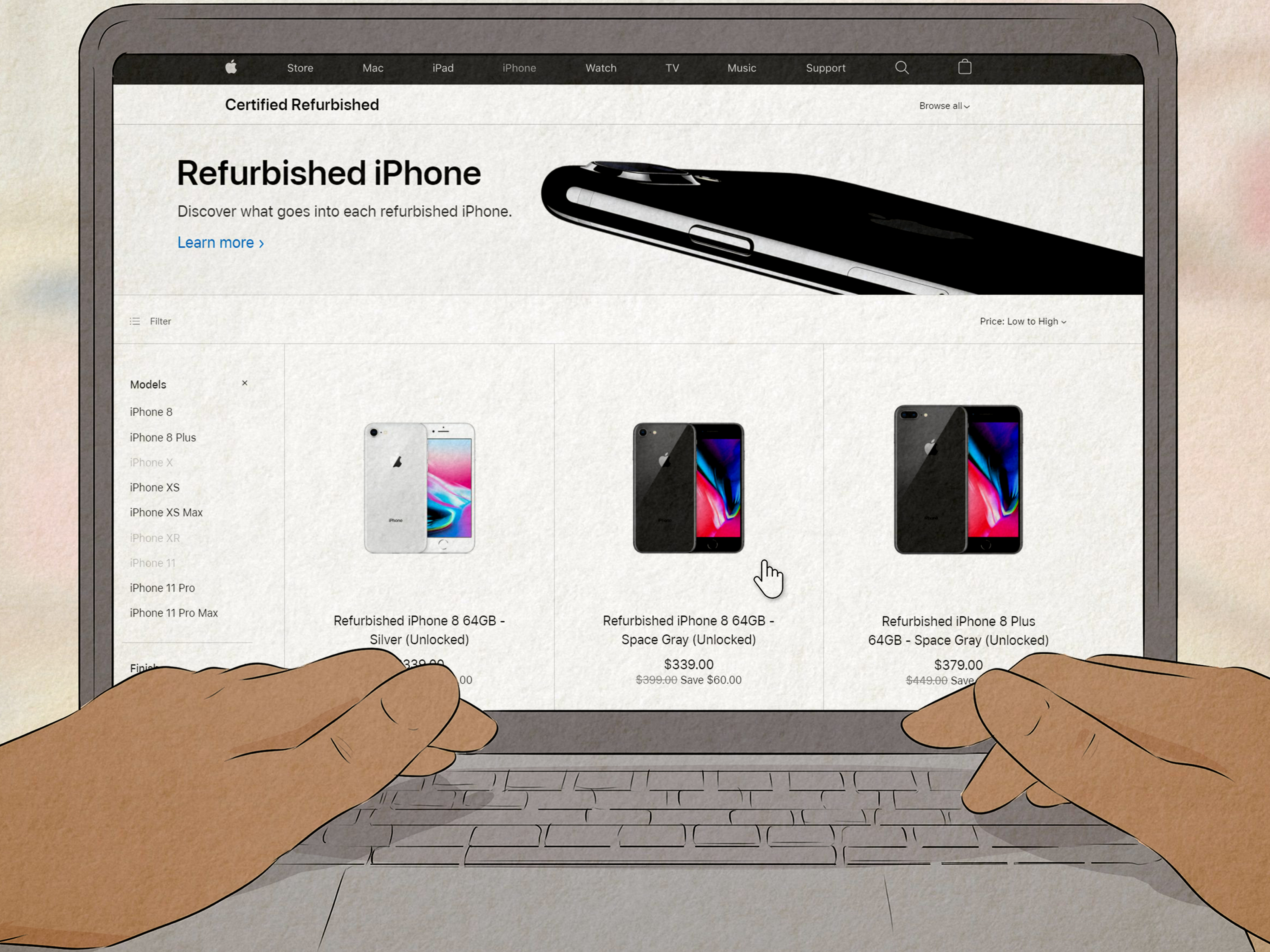
If you love a deal and do not mind buying last year’s model, a certified refurbished iPhone can be a fantastic first iPhone. Apple’s refurbished store is especially appealing because the devices are tested, include a one-year warranty, and come with a new outer shell and battery. That means you can often get a still-capable iPhone at a noticeably lower price.
A refurbished recent-generation iPhone is perfect for beginners who want Apple quality without paying top-tier prices. In many cases, a refurbished standard iPhone gives you a better overall experience than buying a much older model just because it is cheap.
Which iPhone Beginners Should Usually Avoid
The top-tier Pro models
Pro iPhones are excellent, but many first-time buyers simply do not need them. They cost more, and their biggest advantages are aimed at people who care deeply about advanced photography, high-end displays, and premium design details. If your daily routine is texting, calling, streaming, navigation, photos, and social media, a Pro model is often overkill.
Think of it this way: buying a Pro as your first iPhone can be like buying a restaurant-grade pizza oven when you are still figuring out toast.
Very old used iPhones
The cheapest iPhone on a resale site is not always the best value. Older models may have weaker battery health, less storage, outdated ports, reduced software life, and a higher chance of hidden wear. A bargain stops being a bargain when the phone feels slow, runs out of storage, or needs a battery replacement two months later.
If you are buying used, stick with reputable sellers, check battery condition, and avoid going too far back in age. For a first iPhone, buying slightly newer is usually the safer move.
How to Pick the Right iPhone Based on Your Budget
Under a tight budget
Go for the current entry iPhone or an Apple certified refurbished standard model. These options usually offer the best mix of price, speed, and useful lifespan.
Comfortable midrange budget
Choose the regular iPhone. This is the sweet spot for most beginners because it feels modern, lasts well, and gives you a little more breathing room as your needs grow.
Flexible budget but still practical
You can buy a Pro, but ask yourself whether you truly need it. Many beginners are happier spending less on the phone and using the savings for accessories, AppleCare+, extra storage, or wireless service.
Unlocked, Carrier, or Refurbished: Which Buying Route Is Best?
Unlocked iPhone
An unlocked iPhone gives you flexibility. You can choose your carrier, switch plans more easily, and often avoid being tied too tightly to a long promotion. This is a great option for beginners who want freedom and clarity.
Carrier deal
Carrier promotions can make a newer iPhone look incredibly affordable, especially with trade-ins or new-line offers. But read the fine print. Many deals are spread across monthly bill credits, which means the savings often depend on keeping the line active for a long period. If you like stability and plan to stay with one carrier, this can work well. If you hate commitment, maybe do not let your phone become your longest relationship.
Refurbished
Refurbished is the value shopper’s power move. It is often the smartest route if you want an iPhone that feels premium without paying brand-new pricing. Just buy from a reputable source so your “great deal” does not arrive with the energy of a mystery novel.
Important Features Beginners Should Not Ignore
Apple Intelligence compatibility
If you care about Apple’s latest AI-powered features, check compatibility before buying. Newer iPhones support these features better than older standard models. If future-ready software matters to you, choosing a newer device now may save you from buyer’s remorse later.
USB-C charging
USB-C makes life easier. It is widely used across newer electronics, so you are less likely to juggle a nest of cables that looks like it lost a fight with your desk drawer. For beginners, that convenience matters.
Screen size
Most beginners do best with a standard-size iPhone. It is easier to hold, easier to pocket, and usually more comfortable for one-handed use. Large-screen models are great for streaming and reading, but they can feel bulky if you are not used to carrying a bigger phone.
Transfer and setup experience
Apple makes switching easier than many first-time buyers expect. There are setup tools, device-to-device transfers, and even temporary iCloud storage options for moving data to a new iPhone. That is especially helpful if your old phone is full and emotionally attached to every blurry photo you have taken since 2019.
A Simple Recommendation by Buyer Type
If you want the cheapest smart buy
Choose the latest entry iPhone or a certified refurbished standard iPhone.
If you want the safest all-around pick
Choose the regular iPhone with 128GB or 256GB, depending on how many photos and videos you keep.
If you want the best long-term value
Choose the regular iPhone rather than the Pro. You will likely get everything you need and still feel happy with it years from now.
If you want maximum flexibility
Buy unlocked, especially if you may change carriers or travel often.
Beginner Mistakes to Avoid When Buying a First iPhone
- Buying the most expensive model just because it is the newest
- Choosing too little storage to save a small amount of money
- Ignoring trade-in terms and carrier fine print
- Buying an older used phone without checking battery health
- Overlooking refurbished models from trusted sellers
- Assuming you need a Pro model for casual everyday use
Real-World Beginner Experiences With a First iPhone
Here is what often happens in real life. A first-time iPhone buyer starts out obsessing over specs, camera lenses, chip names, and whether they need the absolute newest shiny object. Then they actually use the phone for a few weeks and realize the things that matter most are much more ordinary: how fast it opens apps, how easy it is to message family, whether FaceTime works smoothly, how good the photos look without effort, and whether the battery lasts through a normal day.
Take the classic switcher from Android. At first, they worry the change will feel strange. They imagine a dramatic adjustment period filled with confusion and accidental taps. In practice, most people adapt quickly. They notice that the interface feels organized, settings are easier to navigate than expected, and the phone works nicely with other Apple services. Suddenly, sending photos through AirDrop, finding a lost set of earbuds with Find My, and hopping on a FaceTime call starts to feel less like technology and more like convenience.
Then there is the budget-conscious beginner who nearly talks themselves into buying an ancient used iPhone because the price looks tempting. After a little research, they choose a newer entry model or a certified refurbished one instead. That decision usually pays off. The phone feels faster, the battery behaves better, and the overall experience is smoother. Instead of spending less upfront and regretting it later, they spend a little more and avoid the hidden tax of frustration.
Another common experience involves storage. Many first-time buyers think, “I do not need much space. I am a minimalist.” Three months later, their phone is full of family photos, screenshots of recipes they will never cook, videos of pets being weird, downloaded playlists, and approximately fourteen versions of the same sunset. In real life, a little extra storage often creates a lot of peace of mind. It is not glamorous, but neither is the panic of deciding which memories get deleted to make room for an update.
Carrier deals also shape beginner experiences. Some buyers are thrilled because a promotion makes the monthly cost feel manageable. Others later realize the discount is tied to long-term bill credits and that switching carriers is not as simple as they hoped. This is why reading the terms matters. The happiest beginners are usually the ones who understand exactly what they are paying for and how long they are committed.
One of the best beginner experiences comes from choosing the boringly sensible option. Not the biggest. Not the fanciest. Not the “look at me, I film my lunch in cinematic mode” option. Just the right iPhone for daily life. Those buyers often end up the most satisfied because their expectations match their needs. The phone feels fast, reliable, and easy. They use it constantly, rarely complain, and never once miss the extra camera feature they thought they needed.
That is the secret to a great first iPhone: pick the model that fits your life, not the one that wins the loudest spec battle on paper. Beginners tend to enjoy iPhone most when the choice is practical, current enough to last, and affordable enough that it does not feel like a reckless life event. A first iPhone should feel like a smart upgrade, not a financial plot twist.
Conclusion
If you are choosing your first iPhone, keep it simple. Start with your budget, decide how much storage you really need, and think about whether you want unlocked flexibility, a carrier deal, or certified refurbished value. For most beginners, the best option is either the current entry iPhone or the regular iPhone. Those models deliver the easiest balance of price, performance, battery life, and long-term usefulness.
You do not need the most expensive iPhone to have a great Apple experience. You need the one that fits your habits, your wallet, and your everyday life. Make that choice, and your first iPhone will feel less like a complicated tech purchase and more like what it should be: a phone that just works.
SEO Tags