
Editorial note: This web-ready article is written in standard American English and based on real bicycle storage, commuter cycling, basket, rack, and safety guidance. Source links are intentionally not included inside the article body.
Why a Bicycle Basket Is the Most Underrated Bike Upgrade
A bicycle basket looks simple, almost too simple. It does not beep, sync with an app, glow in seven colors, or claim to improve your power output by 3 percent. Yet for everyday riding, a good bike basket can be the tiny storage miracle that turns a bicycle from “weekend exercise machine” into “mini pickup truck with pedals.”
Whether you ride to school, work, the farmers market, the gym, the library, or your favorite coffee shop, a bicycle basket gives you an easy place to put the stuff that usually ends up swinging from your handlebars like a bad idea. Bags, groceries, jackets, locks, water bottles, small packages, rain layers, picnic snacks, and last-minute errands all become easier when your bike has a reliable cargo spot.
The best part? A basket does not require you to become a touring cyclist with four panniers and a spreadsheet of gear weights. It can be casual, stylish, practical, and surprisingly tough. But choosing the right one matters. Front basket or rear basket? Wire, wicker, plastic, steel, or aluminum? Fixed mount or quick-release? Cute cruiser basket or cargo-ready rack basket? Let’s roll through the options without making your brain feel like it just rode uphill into a headwind.
What Is a Bicycle Basket?
A bicycle basket is an open storage container mounted to a bike, usually on the handlebars, front rack, rear rack, or rear side area. It is designed to carry everyday items that are too awkward for pockets and too annoying for a backpack. Unlike a closed pannier, a basket is usually open at the top, making it easy to drop items in and grab them quickly.
Modern bike baskets come in many forms. Some are classic woven baskets made for beach cruisers and city bikes. Others are steel wire baskets built for groceries, commuting, and delivery-style riding. There are plastic crate-style baskets, lightweight aluminum options, folding rear baskets, quick-release shopping baskets, and rack-mounted systems that click on and off in seconds.
The right bicycle basket depends on your bike, your cargo, and how you ride. A light front basket may be perfect for a purse, hoodie, and coffee shop run. A rear rack basket may be better for heavier groceries or a backpack. A removable basket is great if you want to carry it into a store. A fixed basket is better if you want a sturdy setup that lives on the bike full-time.
Front Bicycle Basket vs. Rear Bicycle Basket
Front Bike Baskets
A front bike basket is mounted on the handlebars or supported by a front rack. Its biggest advantage is convenience. Your items stay visible, easy to reach, and easy to monitor. If you are carrying a phone, small backpack, lunch bag, or flowers you definitely bought for someone else and not because they were on sale, a front basket feels natural.
However, front baskets can affect steering. The heavier the load, the more the bike may feel wobbly, especially at low speeds or when turning. A handlebar-only basket is best for lighter cargo. A front basket supported by a front rack or fork-mounted hardware is usually more stable because the weight is carried by the bike frame rather than only by the handlebars.
Front baskets work especially well for short urban rides, campus cycling, beach cruisers, city bikes, and casual errands. They are also great for riders who like to keep valuables in view. Just remember: “in view” does not mean “secured.” Use a cargo net, strap, or bungee cord so your sandwich does not attempt freedom during a pothole encounter.
Rear Bike Baskets
A rear bicycle basket mounts to a rear rack or attaches along the side of the rear wheel like a pannier basket. Rear baskets are usually better for heavier loads because the weight sits behind the rider and does not interfere as much with steering. This makes them ideal for groceries, work bags, school bags, gym gear, and everyday commuting.
A rear rack basket can also be more forgiving for beginners. Since the front wheel is not carrying the cargo, the bike often feels more predictable. The trade-off is access. You cannot see or reach a rear basket as easily while riding, and you may need to be more careful when parking, locking, or loading the bike.
Rear baskets are best for practical riders who want real storage capacity. If your idea of “just picking up a few things” somehow turns into a loaf of bread, bananas, a carton of eggs, a bag of rice, and a suspiciously heavy watermelon, the rear basket is your friend.
Common Bicycle Basket Materials
Steel Wire Baskets
Steel wire baskets are popular because they are strong, durable, and relatively affordable. They are often used on commuter bikes, cargo bikes, and utility setups. Steel baskets can handle daily abuse, but they may rust if the coating wears off and the basket is left outside in wet weather. If you ride often in rain, look for powder-coated or corrosion-resistant finishes.
Aluminum Baskets
Aluminum baskets are lighter than steel and naturally more resistant to rust. They are a smart choice for riders who want utility without adding too much weight. The downside is that aluminum can be less forgiving under heavy impact, and premium aluminum baskets may cost more.
Wicker and Rattan Baskets
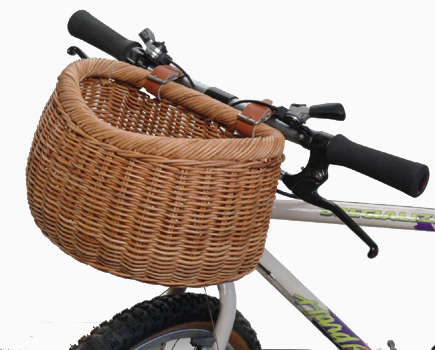
Wicker and rattan baskets bring classic charm. They look great on cruisers, step-through bikes, vintage-style bikes, and relaxed city bicycles. They are perfect for light errands, picnic rides, and aesthetic points. Yes, aesthetic points count. However, natural woven baskets may not handle heavy rain, rough cargo, or repeated overloading as well as metal options.
Plastic and Crate-Style Baskets
Plastic baskets and rigid crate-style panniers are practical for grocery runs and awkward items. They are easy to clean, usually weather-resistant, and often lighter than metal. Some modern rigid pannier baskets clip onto racks and can be removed for shopping. A plastic crate may not have the elegance of handwoven wicker, but it will not judge you for carrying a leaky carton of strawberries.
How to Choose the Best Bicycle Basket
1. Check Your Bike’s Compatibility
Before buying a bicycle basket, look at your bike. Does it have a rear rack? Does it have mounting eyelets near the rear dropouts or fork? Is there enough handlebar space? Do brake cables or shifter cables block the front? Does your e-bike have an integrated rack or proprietary accessory system?
Some baskets mount directly to handlebars using hooks, clamps, or brackets. Others require a front or rear rack. Many modern systems use quick-release plates, rack rails, or click-in mounts. Compatibility is not the glamorous part of basket shopping, but it prevents the classic problem of ordering a basket that fits your imagination better than your actual bicycle.
2. Respect Weight Limits
Every basket and rack has a maximum load rating. Do not guess. Check the manufacturer’s stated limit for both the basket and the rack. A rear basket may look huge, but the rack beneath it determines how much weight the bike can safely carry. A front handlebar basket may look sturdy, but too much weight can make steering unpredictable.
For light cargo, such as a jacket, small purse, or lunch bag, a handlebar basket may be enough. For heavier items, such as groceries or a laptop backpack, a rear rack basket is usually the better choice. If you regularly carry heavy cargo, consider a dedicated cargo rack, panniers, or a cargo bike setup.
3. Think About Weather
Most bicycle baskets are open. That means your cargo is exposed to rain, dust, sun, and the occasional dramatic splash from a puddle you underestimated. If you commute in wet weather, pair the basket with a waterproof bag, liner, or cover. A cargo net keeps items secure, but it does not keep them dry.
Metal baskets can drain water easily, while plastic bins may collect water if left outside. Wicker baskets may need more care after rain. If your bike is stored outdoors, choose a material that can handle the climate, or remove the basket when not in use.
4. Match the Basket to Your Riding Style
For casual city rides, a front basket is convenient and stylish. For commuting, a rear basket or pannier-style basket is often more practical. For grocery runs, choose a basket with enough depth and a flat bottom. For school or work, make sure it can hold your backpack without crushing your laptop, notebook, or lunch. For e-bikes, use accessories designed for the model or rack system whenever possible.
5. Look for Cargo Security Features
An open basket is easy to use, but cargo can bounce. A simple bungee cord, cargo net, or elastic strap makes a huge difference. Some baskets include a net or integrated handle. Others have removable designs that let you carry the basket into a store. If you park in public, quick-release baskets are convenient, but you may want to remove them or lock them to prevent theft.
Best Uses for a Bicycle Basket
Grocery Runs
A bicycle basket is perfect for small grocery trips. A rear basket can hold produce, bread, canned goods, and pantry items. For fragile groceries like eggs, tomatoes, or chips, use a soft bag or place them on top. Do not bury bananas under a gallon of milk unless you enjoy fruit pudding with handles.
Commuting to Work or School
For commuting, a basket keeps weight off your back. This is especially helpful in warm weather, when a backpack can turn your shirt into a personal weather system. A rear basket can carry a laptop bag, lunch, lock, and rain jacket. If you carry electronics, use a padded waterproof sleeve or bag inside the basket.
Running Errands
Post office stop? Pharmacy run? Library books? Takeout order? A basket makes these short trips easier. Instead of driving for a tiny errand, you can pedal there and carry items home without needing complicated cargo gear.
Recreational Rides
A front basket is ideal for relaxed weekend rides. Toss in a blanket, snacks, sunscreen, a small speaker, or a camera. For parks and beach paths, a bicycle basket gives the ride a charming, useful feel. Just keep the load balanced and secure.
Pet Carrying
Some baskets are designed specifically for small pets, but not every basket is safe for animals. A pet basket should have proper attachment points, ventilation, a secure harness connection, and enough structure to keep the pet contained. Never place a pet in a regular open basket without a safe restraint system.
Installation Tips for Bicycle Baskets
Most bike baskets can be installed with basic tools, but the details depend on the design. Handlebar baskets may use clamps, brackets, or hooks. Rack-mounted baskets may bolt to a platform or click into a rail system. Side baskets may attach to rack rails like panniers.
After installing a basket, check that it does not interfere with brake cables, shifter cables, lights, reflectors, wheel movement, or steering. Tighten all bolts according to the instructions. If the basket rattles, shifts, or leans, stop and fix it before riding. A loose basket is not “just making noise.” It is your bike politely asking for maintenance.
Take a slow test ride with the basket empty, then with a light load, then with your typical cargo. Practice turning, braking, and starting from a stop. A loaded bike handles differently, and it is better to learn that in a quiet parking lot than in traffic while your groceries audition for a stunt show.
Safety Considerations When Carrying Cargo
A bicycle basket improves convenience, but cargo must be carried securely. Do not hang shopping bags from the handlebars, because they can swing into the wheel or affect steering. Keep straps, cords, shoelaces, and loose fabric away from the chain, spokes, and brakes. Use lights and reflectors that remain visible even when the basket is loaded.
Balance is important. Keep heavier items low and centered when possible. Avoid stacking cargo so high that it blocks your view or changes the bike’s handling. If using a rear basket, make sure your heel does not hit the basket while pedaling. If using side baskets, try to balance weight evenly between both sides.
Braking distance may increase when your bike is loaded. Ride slower with heavier cargo, especially downhill or in wet conditions. The goal is not to prove that your bicycle can carry a week’s worth of groceries at race speed. The goal is to get home with everything intact, including you.
Bicycle Basket vs. Pannier: Which Is Better?
A bicycle basket is best for convenience. It is open, easy to load, and great for irregularly shaped items. A pannier is better for weather protection, organization, and larger commuting loads. Many riders use both: a rear rack basket for quick errands and panniers for longer commutes or touring.
If you often carry a laptop, documents, clothing, or electronics, a waterproof pannier may be safer. If you carry groceries, takeout, flowers, packages, or casual items, a basket may be easier. If you ride in mixed weather, use a waterproof liner inside the basket. Think of the basket as the bike’s kitchen counter: wonderfully useful, but not where you leave paper during a rainstorm.
Maintenance and Care
A bicycle basket does not need much maintenance, but it should not be ignored forever. Check mounting bolts regularly. Look for rust, cracks, broken welds, loose brackets, and worn straps. Clean dirt and road salt from metal baskets. Dry wicker baskets after wet rides. Replace stretched bungee cords and cargo nets before they fail.
If your basket uses a quick-release mount, inspect the locking mechanism. Dirt, grit, or wear can make it less secure. If the basket starts rattling, do not just turn up your headphones. Find the source and fix it. A quiet basket is not only more pleasant; it is usually a safer basket.
Style Matters Too
Function comes first, but style is part of the fun. A basket changes the personality of a bike. A wire front basket says “urban utility.” A wicker basket says “sunny weekend and fresh bread.” A black rear rack basket says “I have errands and I am not afraid of them.” A colorful crate says “yes, I own zip ties, and yes, I know how to use them.”
The best basket is one you will actually use. If you love the look, you are more likely to ride. If it fits your daily routine, you are more likely to choose the bike over the car. Storage is not just about carrying things; it is about making cycling easier, more useful, and more enjoyable.
Real-World Experiences With Bicycle Basket Storage
After using different bicycle basket setups, one lesson becomes obvious: the perfect basket is not always the biggest one. A giant basket looks exciting until it encourages you to carry more than the bike handles comfortably. For everyday riding, medium storage often wins. It holds what you need without turning every trip into a cargo-balancing experiment.
A front basket feels wonderful for light errands. There is something satisfying about dropping a small tote, a hoodie, and a water bottle into the basket and rolling away. You can see everything, which gives peace of mind. It is especially useful for short trips where you stop often. Coffee shop, bookstore, bakery, parkfront basket rides have a relaxed rhythm. The downside appears when the basket gets too heavy. Add a dense backpack or several groceries, and the steering can feel slower and less precise. That does not make front baskets bad; it means they are best treated like a convenient tray, not a moving storage unit for bricks.
Rear baskets feel more practical for serious errands. A rear basket mounted to a sturdy rack can carry a backpack, grocery bag, or small parcel with less steering drama. It is the setup that makes a bike feel useful in daily life. The first time you ride home with groceries instead of wearing a backpack, you understand why many commuters become basket loyalists. Your shoulders stay cooler, your back feels better, and your ride feels less like a sweaty delivery challenge.
The biggest improvement comes from adding a cargo net. Without one, even normal items can bounce around. A loaf of bread may stay put, but a small box, jacket, or water bottle can shift every time the road gets rough. A cargo net turns the basket from “open container with hope” into “reliable storage system.” A bungee cord also works, but a net usually holds odd-shaped loads better.
Another real-world tip: use bags inside the basket. A canvas tote keeps small items together. A waterproof roll-top bag protects electronics. A reusable grocery bag makes store trips faster. Instead of carrying the entire basket inside, you can lift out the inner bag and go. This simple habit also keeps crumbs, receipts, and mystery lint from building up in the basket.
For commuters, the basket should match the parking situation. If the bike is locked outdoors all day, a fixed metal basket is convenient but may be exposed to rain and theft. If you park indoors, a removable basket or clip-on pannier basket can be more flexible. If you ride an e-bike, checking accessory compatibility is even more important because many e-bikes use integrated racks, unusual tubing, or brand-specific mounting systems.
One mistake beginners make is forgetting how the basket affects lights. A front basket can block a handlebar light, and a rear basket can hide a seatpost light or reflector. The fix is simple: move the light to the basket, rack, fork, or another visible mounting point. Visibility should never be sacrificed for storage. A basket full of groceries is great; a basket that hides your lights is not.
Over time, a bicycle basket changes how you think about short trips. Instead of asking, “Can I carry that?” you start asking, “Can I bike there?” That shift is powerful. The basket removes friction from daily riding. Suddenly, picking up dinner, mailing a package, bringing a jacket, or carrying a few groceries feels easy. The bike becomes less of a hobby object and more of a useful everyday tool.
The best experience comes from keeping the setup simple: choose a basket that fits your bike, respect the load limit, secure the cargo, and test the handling before riding in busy areas. Do that, and a bicycle basket becomes one of the most lovable upgrades you can add. It may not be flashy, but it quietly solves problems every single ride.
Conclusion
A bicycle basket is one of the easiest ways to make a bike more useful. It adds practical storage, reduces the need for a backpack, and makes everyday trips feel more natural. The best bicycle basket depends on your riding style: front baskets are convenient for light cargo and quick access, while rear baskets are better for heavier loads and commuting. Materials, mounting systems, weather protection, and weight limits all matter.
Choose a basket that fits your bike, secure your cargo, and test the handling before loading it like a tiny two-wheeled moving van. With the right setup, your bicycle can carry groceries, work gear, school supplies, picnic items, and daily essentials with surprising ease. A good basket does not just store stuff. It gives your bike a joband honestly, most bikes are thrilled to be promoted.