
Some days, your energy disappears like a phone battery at 2%. You had breakfast, you drank coffee, you bravely opened your inbox, and yet by midafternoon your brain is running on “please reconnect charger.” The good news is that your daily energy is not only about sleeping more, although sleep definitely deserves a standing ovation. Food plays a major role in how steady, focused, and alert you feel throughout the day.
The best foods that give you energy are not magical berries from a mountaintop or expensive powders with names that sound like Wi-Fi passwords. They are usually simple, familiar foods: whole grains, fruits, vegetables, lean proteins, beans, nuts, seeds, water, and balanced meals that digest slowly. The goal is not to chase a quick burst of energy. The goal is steady fuel, fewer crashes, and fewer moments where you stare into the refrigerator like it owes you money.
This guide explains what to eat for lasting energy, what to limit, and how to build meals that keep your body powered without turning your blood sugar into a roller coaster. It is written for everyday people with everyday schedules: students, parents, office workers, night-shift heroes, gym beginners, and anyone who has ever considered a cookie lunch “technically food.”
Why Food Affects Your Energy
Your body turns food into usable energy through digestion and metabolism. Carbohydrates break down into glucose, which your cells can use quickly. Protein helps repair and build tissue while also supporting fullness and more stable energy. Fat digests slowly and helps meals feel satisfying. Vitamins and minerals, especially B vitamins and iron, help your body release and transport energy. Water supports nearly every body function, including temperature control, digestion, circulation, and concentration.
Energy problems often happen when meals are unbalanced. A breakfast made mostly of sugar may wake you up fast, but it can also leave you hungry and foggy soon after. A lunch that is too heavy can make you feel sleepy. Skipping meals can backfire by causing intense cravings later. The most reliable strategy is to combine high-fiber carbohydrates, protein, healthy fats, and fluids at regular times.
The Best Foods That Give You Energy
1. Oats and Whole Grains
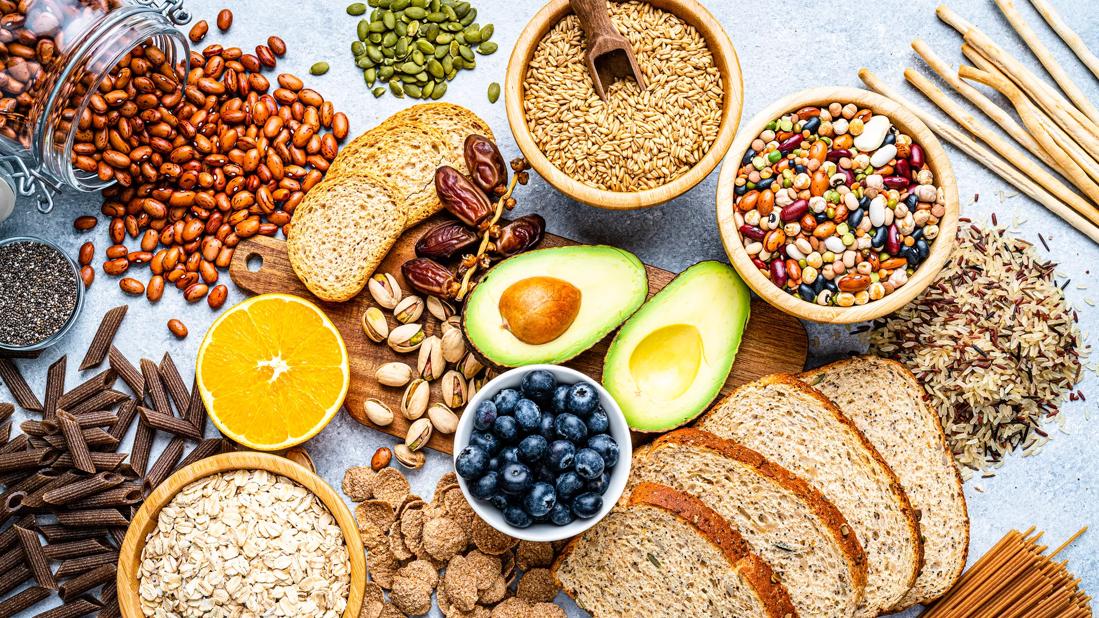
Oats are one of the best breakfast foods for energy because they contain complex carbohydrates and fiber. Instead of rushing into your bloodstream like candy, oats digest more slowly and help provide a steadier release of fuel. Other smart whole-grain options include brown rice, quinoa, whole-wheat bread, barley, farro, and whole-grain pasta.
Try oatmeal with peanut butter and berries, a quinoa bowl with vegetables and chicken, or whole-grain toast with eggs and avocado. These meals offer carbohydrates for fuel, protein for staying power, and fiber to help prevent the dreaded “I need a nap immediately” crash.
2. Bananas and Fresh Fruit
Fruit is a natural energy food because it contains carbohydrates, water, fiber, and helpful micronutrients. Bananas are especially popular because they are portable, affordable, and do not require a fork, a plate, or emotional preparation. Apples, oranges, berries, grapes, melon, and pears are also excellent choices.
For longer-lasting energy, pair fruit with protein or fat. Think apple slices with almond butter, Greek yogurt with blueberries, cottage cheese with peaches, or a banana with a handful of walnuts. Fruit alone is healthy, but fruit plus protein usually keeps hunger away longer.
3. Beans, Lentils, and Chickpeas
Beans and lentils are underrated energy champions. They provide complex carbohydrates, plant protein, fiber, iron, magnesium, and other nutrients that support steady fuel. They are also budget-friendly and flexible. You can add black beans to tacos, lentils to soup, chickpeas to salad, or hummus to a snack plate.
Because beans are rich in fiber, start slowly if your digestive system is not used to them. Your stomach may need a polite adjustment period. No need to go from zero beans to “I am now a lentil influencer” overnight.
4. Lean Protein Foods
Protein helps stabilize energy because it slows digestion and supports fullness. Good sources include eggs, fish, chicken, turkey, lean beef, tofu, tempeh, Greek yogurt, cottage cheese, edamame, beans, and lentils. Protein is especially helpful at breakfast and lunch, when many people accidentally eat mostly refined carbohydrates and then wonder why their energy vanishes.
A protein-rich breakfast might be scrambled eggs with vegetables, Greek yogurt with nuts and fruit, tofu scramble with whole-grain toast, or cottage cheese with berries. At lunch, try grilled chicken with brown rice and vegetables, tuna with whole-grain crackers, or a bean burrito bowl.
5. Nuts, Seeds, and Nut Butters
Nuts and seeds are small but mighty. Almonds, walnuts, pistachios, chia seeds, pumpkin seeds, sunflower seeds, and flaxseeds provide healthy fats, protein, fiber, and minerals. They are excellent snacks because they are easy to carry and do not require refrigeration.
Portion size matters because nuts are calorie-dense. A small handful can be energizing; half a jar of peanut butter eaten standing in the kitchen at midnight may be a different story. Add nuts to oatmeal, sprinkle seeds on yogurt, or pair nut butter with fruit for a balanced snack.
6. Vegetables, Especially Colorful Ones
Vegetables do not always get credit for energy because they are not as calorie-dense as grains or proteins. But they support energy in another way: they bring fiber, water, antioxidants, vitamins, and minerals to the plate. Leafy greens, broccoli, carrots, peppers, sweet potatoes, tomatoes, peas, squash, and beets can all help build more nourishing meals.
Sweet potatoes are especially useful because they provide complex carbohydrates along with fiber and potassium. Leafy greens can contribute iron and folate. Broccoli and peppers add vitamin C, which helps support overall health and improves iron absorption from plant foods when eaten together.
7. Water and Unsweetened Drinks
Even mild dehydration can make you feel tired, unfocused, or cranky. Sometimes the “I need a snack” feeling is actually “I have not had water since yesterday’s coffee.” Water is the simplest energy-supporting drink. Unsweetened tea, sparkling water, and black coffee can also fit into a healthy routine.
If plain water feels boring, add lemon, cucumber, mint, berries, or a splash of 100% fruit juice. Keep a bottle nearby, especially during hot weather, exercise, travel, or long workdays. Hydration will not turn you into a superhero, but it can help you stop feeling like a wilted houseplant.
Foods and Drinks To Avoid for Better Energy
1. Sugary Drinks
Soda, sweet tea, fruit drinks, sweetened coffee beverages, and energy drinks can deliver a fast sugar rush followed by a crash. They are easy to overconsume because liquid calories do not usually make you feel as full as solid food. If you rely on sugary drinks every afternoon, try gradually switching to water, unsweetened tea, coffee with less sugar, or sparkling water.
2. Refined Carbohydrates
White bread, pastries, donuts, cookies, candy, many sugary cereals, and highly processed snack foods can digest quickly and leave you hungry again soon. You do not have to ban them forever. Food is not a moral exam. But if they are your main fuel source, your energy may feel unstable.
Instead, choose whole-grain bread, oats, brown rice, potatoes with skin, beans, fruit, and vegetables most of the time. These foods provide more fiber and nutrients, making them better choices for sustained energy.
3. Heavy, Greasy Meals
A very large, high-fat meal can make you feel sluggish because digestion takes work. Fried foods, oversized fast-food meals, and creamy dishes may be delicious, but they can send your afternoon productivity into a dramatic slow-motion exit.
When you need to stay alert, keep meals balanced rather than enormous. A lunch with lean protein, vegetables, whole grains, and a moderate amount of healthy fat is usually more energizing than a mountain of fries and a burger the size of a steering wheel.
4. Too Much Alcohol
Alcohol can interfere with sleep quality, hydration, and next-day energy. Even if it helps you feel relaxed at night, it may make your morning feel like a software update failed halfway through. If fatigue is a problem, reducing alcohol or keeping it occasional may help.
5. Too Much Caffeine, Too Late
Coffee and tea can be part of a healthy routine, and caffeine can temporarily improve alertness. The problem is timing and amount. Too much caffeine can cause jitters, anxiety, stomach discomfort, and poor sleep. Caffeine late in the day may steal energy from tomorrow by disturbing tonight’s rest.
Use caffeine strategically. Enjoy it earlier in the day, avoid turning coffee into dessert with a handle, and do not use caffeine as a substitute for meals, water, or sleep.
How To Build an Energy-Boosting Meal
A steady-energy meal usually includes four parts: high-fiber carbohydrates, protein, vegetables or fruit, and healthy fat. This combination supports fullness and helps slow digestion. You do not need perfect portions or complicated tracking. A simple plate method works beautifully.
- Breakfast: Oatmeal with Greek yogurt, berries, and walnuts.
- Lunch: Brown rice bowl with chicken, black beans, peppers, salsa, and avocado.
- Snack: Apple slices with peanut butter or hummus with carrots and whole-grain crackers.
- Dinner: Salmon or tofu with roasted sweet potatoes, broccoli, and olive oil.
If you exercise, your needs may change. A small carbohydrate-rich snack before activity can help, while protein and carbohydrates after activity support recovery. For example, a banana before a workout and yogurt with fruit afterward can be a practical combination.
Meal Timing: When You Eat Matters Too
Energy is not only about what you eat. It is also about when you eat. Skipping breakfast works for some people, but for others it leads to brain fog, irritability, and overeating later. Long gaps between meals can cause hunger to sneak up like a villain in a low-budget movie.
Many people feel best with regular meals and one or two planned snacks. If you crash every afternoon, look at lunch first. Was it mostly refined carbs? Was it too small? Did it include protein? Did you drink water? A small adjustment, such as adding beans, eggs, fish, tofu, yogurt, or nuts, may make a noticeable difference.
Key Nutrients That Support Energy
Some nutrients deserve special attention because low intake can contribute to tiredness. Iron helps carry oxygen in the blood. Vitamin B12 supports nerve function and red blood cell production. Folate, thiamin, niacin, and other B vitamins help the body use energy from food. Magnesium supports muscle and nerve function.
Food sources of iron include lean meat, poultry, seafood, beans, lentils, spinach, fortified cereals, and pumpkin seeds. Vitamin B12 is naturally found in animal foods such as fish, meat, poultry, eggs, and dairy; fortified foods can help people who eat mostly plant-based diets. If fatigue is persistent, severe, or unusual, it is worth speaking with a healthcare professional. Food can help, but ongoing fatigue may have causes that require testing or treatment.
500-Word Experience Section: What Eating for Energy Looks Like in Real Life
In real life, eating for energy is less about perfection and more about noticing patterns. Many people discover their energy issues by accident. They eat a sweet breakfast on Monday and feel hungry by 10 a.m. They try oats with protein on Tuesday and suddenly realize they are not raiding the snack drawer like a raccoon in office clothes. That small comparison can teach more than a hundred nutrition slogans.
One common experience is the afternoon crash. Picture a typical workday: breakfast was coffee and toast, lunch was a big bowl of pasta with very little protein, and water intake was basically a rumor. Around 3 p.m., focus drops. The body asks for quick energy, and the vending machine starts looking inspirational. A candy bar may help for a moment, but the boost fades quickly. The better experiment is to rebuild lunch: add grilled chicken or chickpeas, vegetables, olive oil, and a whole grain. Then add water and a planned snack, such as Greek yogurt or fruit with nuts. Many people find that the “mysterious” crash becomes much less mysterious.
Another real-world lesson is that breakfast quality matters. A muffin and flavored coffee can feel convenient, but that combination may be mostly refined flour, added sugar, and caffeine. A more balanced breakfast does not need to be fancy. Two eggs with whole-grain toast, overnight oats with chia seeds, or a smoothie made with fruit, yogurt, and nut butter can provide steadier fuel. The difference is not always dramatic like movie music swelling in the background, but it can be enough to make the morning feel smoother.
People who start exercising often learn quickly that under-fueling is not a badge of honor. Trying to work out hard on very little food can lead to dizziness, poor performance, crankiness, and a sudden deep appreciation for sandwiches. A banana, toast with peanut butter, or yogurt before activity can help. Afterward, a meal with protein and carbohydrates helps the body recover. Energy is not just about getting through the workout; it is about feeling human afterward.
Hydration is another surprisingly powerful habit. Many people drink coffee all morning, forget water, and then wonder why they feel tired and headachy. Keeping a water bottle nearby is simple, slightly boring, and extremely effective. Adding lemon or berries makes it feel less like a punishment assigned by a wellness robot.
The most useful experience is learning that energy is personal. Some people feel great with three meals. Others prefer smaller meals and snacks. Some tolerate caffeine well; others become anxious after one strong cup. The best approach is to keep a simple food-and-energy journal for a week. Write down meals, water, sleep, movement, and energy levels. Patterns will appear. Once you see them, you can adjust with confidence instead of guessing.
Conclusion
Foods that give you energy are usually whole, balanced, and satisfying. Choose oats, whole grains, beans, lentils, fruits, vegetables, nuts, seeds, lean proteins, and plenty of water. Limit sugary drinks, refined carbohydrates, oversized greasy meals, and late-day caffeine if they cause crashes. Most importantly, build meals that combine fiber-rich carbohydrates, protein, and healthy fats.
You do not need a perfect diet to feel better. Start with one upgrade: add protein to breakfast, drink more water, swap soda for sparkling water, or trade a candy-only snack for fruit and nuts. Small choices repeated daily can turn “Why am I so tired?” into “Actually, I feel pretty good.” And honestly, that is a much better personality for your afternoon.