
Every dog owner has had that moment: you look at your beloved furry roommate and think, “I would die for you, but if you bark at the delivery truck one more time, I may move to the moon.” The good news is that an “annoying dog” is usually not trying to ruin your life. Dogs bark, chew, jump, dig, whine, steal socks, and perform interpretive dances at dinner because they are communicating, exploring, relieving stress, or repeating behavior that has worked before.
The better news? You can fix most frustrating dog behavior with patience, structure, positive reinforcement, exercise, mental enrichment, and a little detective work. The goal is not to turn your dog into a silent decorative pillow. The goal is to understand what your dog needs, teach better choices, and create a home where nobody has to yell “drop the underwear” before coffee.
This guide breaks down how to deal with your annoying dog in 13 practical steps. Whether your dog barks like a tiny security alarm, jumps on guests like a furry trampoline, chews furniture like a beaver with student loans, or follows you everywhere like unpaid surveillance, these strategies can help.
Why Dogs Act Annoying in the First Place
Before you correct a behavior, ask why it is happening. Many “bad dog” problems are actually normal dog behaviors happening in the wrong place, at the wrong time, or at a volume that could wake three counties.
Common causes include boredom, lack of exercise, anxiety, attention-seeking, poor training history, inconsistent rules, fear, frustration, medical discomfort, or breed-specific instincts. A young Labrador chewing shoes is not plotting against your footwear collection. A herding dog chasing ankles is not auditioning for villain school. A terrier digging in the yard is simply doing terrier math: dirt plus paws equals happiness.
Once you identify the reason, training becomes much easier. You stop fighting symptoms and start solving the real problem.
How to Deal with Your Annoying Dog: 13 Steps
1. Rule Out Pain or Medical Problems First
If your dog suddenly becomes restless, destructive, clingy, aggressive, noisy, or starts having accidents indoors, call your veterinarian. Behavior changes can be linked to pain, digestive issues, urinary problems, hearing loss, cognitive changes, allergies, or other health concerns.
For example, a dog who “won’t stop whining” may have anxiety, but may also have an ear infection, dental pain, or arthritis. A senior dog pacing at night may not be stubborn; they may be uncomfortable or confused. Training works best when your dog feels well enough to learn.
2. Stop Calling the Dog “Bad” and Start Naming the Behavior
“My dog is annoying” is emotionally accurate, but not very useful. Instead, describe the specific behavior: “My dog barks at the window,” “My dog jumps on guests,” “My dog chews pillows,” or “My dog steals food from the counter.”
This matters because every behavior has a different solution. Barking at squirrels needs management and quiet training. Jumping on guests needs impulse control and greeting practice. Chewing shoes needs supervision, chew outlets, and environmental cleanup. When you name the behavior clearly, you can fix it clearly.
3. Use Positive Reinforcement as Your Main Training Tool
Positive reinforcement means rewarding the behavior you want so your dog is more likely to repeat it. Rewards can include treats, praise, toys, play, sniffing time, access to the yard, or anything your dog genuinely enjoys.
If your dog sits calmly instead of jumping, reward the sit. If your dog looks at you instead of barking at another dog, reward the attention. If your dog lies on a mat while you cook instead of standing under your feet like a furry speed bump, reward that calm choice.
Reward-based training is effective because it tells your dog, “Do this instead.” Constantly saying “no” only tells your dog that you are disappointed, which they may already know from your dramatic sighing.
4. Stop Accidentally Rewarding the Behavior You Hate
Dogs repeat what works. If barking gets attention, barking works. If jumping gets petting, jumping works. If stealing socks starts a fun chase game, sock theft becomes a career path.
Look at what happens immediately after the annoying behavior. Do you yell, chase, laugh, feed, touch, or negotiate with your dog? To a dog, attention is often attention, even if you are saying, “Why are you like this?” in the voice of a tired sitcom parent.
Change the pattern. Ignore attention-seeking barking when safe to do so. Turn away from jumping. Trade calmly for stolen items instead of chasing. Reward the quiet, polite, boring behavior you actually want.
5. Give Your Dog Enough Physical Exercise
A tired dog is not automatically a well-behaved dog, but an under-exercised dog is often a chaos machine with paws. Daily walks, play sessions, fetch, tug, hiking, swimming, or structured games can reduce excess energy and frustration.
The right amount depends on age, breed, health, and personality. A young working breed may need much more activity than a senior toy breed. Puppies need short, age-appropriate sessions. Senior dogs may prefer gentle walks and sniffing instead of athletic events.
Exercise should be regular, not random. One marathon walk on Saturday will not cancel five days of boredom, just as eating one salad does not erase a week of nachos. Build movement into your dog’s daily routine.
6. Add Mental Enrichment Every Day
Many annoying dog behaviors come from boredom, not rebellion. Dogs need to use their brains. Mental enrichment can include puzzle toys, food-dispensing toys, scent games, training sessions, hide-and-seek, lick mats, snuffle mats, safe chewing, and slow “sniff walks.”
Sniffing is especially powerful. To humans, a walk is exercise. To dogs, it is social media, breaking news, neighborhood gossip, and a crime documentary all at once. Letting your dog sniff can be more relaxing than marching them around the block like a tiny soldier.
Try feeding part of your dog’s meal from a puzzle toy or scattering kibble in a safe area for a “find it” game. Five to ten minutes of brain work can calm some dogs more than another lap around the block.
7. Manage the Environment Before You Train
Training teaches your dog what to do. Management prevents your dog from practicing what not to do. Both are necessary.
If your dog barks at the window, close the blinds, use privacy film, or move furniture away from the view. If your dog chews shoes, put shoes behind a closed door. If your dog counter-surfs, keep counters clean and block kitchen access when you cannot supervise. If your dog jumps on guests, use a leash or baby gate during greetings.
Management is not cheating. It is smart. You would not leave a toddler alone with a marker and a white couch and then lecture them on interior design. Do not set your dog up to fail.
8. Teach an Alternative Behavior
Instead of only stopping the annoying behavior, teach a replacement. Dogs learn faster when they know what earns rewards.
For jumping, teach “sit to greet.” For barking, teach “quiet” or “go to your mat.” For begging, teach “place” during meals. For pulling on leash, reward walking near you. For stealing items, teach “drop it” and “leave it.”
Practice when your dog is calm before trying it during real-life chaos. Teaching “quiet” while your dog is already barking at a leaf with deep personal hatred is like teaching tax law during a fireworks show. Start easy, then slowly add distractions.
9. Handle Barking by Finding the Trigger
Barking has many causes: alert barking, fear, boredom, frustration, attention-seeking, separation anxiety, territorial behavior, or excitement. The solution depends on the reason.
If your dog barks at outdoor activity, reduce visual access and reward quiet moments. If your dog barks for attention, avoid rewarding the noise and reinforce calm behavior. If your dog barks because they are scared, create distance from the trigger and pair the trigger with good things. If your dog barks when alone, look for signs of separation anxiety such as pacing, destruction, drooling, accidents, or panic.
Avoid relying on bark collars to solve the problem. They may suppress noise, but they do not teach the dog what to do or address the emotional cause. Silence is not the same thing as comfort.
10. Redirect Chewing, Digging, and Destruction
Chewing is normal. Puppies chew during teething, young dogs chew to explore, and adult dogs chew to relax. The trick is teaching legal chewing, not expecting your dog to take up crossword puzzles instead.
Provide safe chew toys, rotate them to keep them interesting, and praise your dog for using them. Keep tempting items out of reach. If your dog grabs something inappropriate, trade for a treat or toy instead of turning it into a wrestling match.
For digging, consider giving your dog a legal digging area, such as a sandbox or designated yard corner. Bury toys or treats there and praise digging in that spot. If digging is caused by boredom, heat, prey drive, or escape attempts, address the cause directly.
11. Create a Calm Routine
Dogs thrive on predictability. A basic routine for meals, walks, training, play, rest, and bedtime helps reduce anxiety and pushy behavior. Your dog does not need a military schedule, but they do benefit from knowing what usually happens next.
Build calm rituals into the day. After a walk, guide your dog to a bed or mat with a chew. Before guests enter, practice sit and reward. Before dinner, ask for a calm behavior. Before bedtime, use a quiet routine instead of wild indoor fetch unless your goal is to create a four-legged nightclub.
Rest is part of behavior health. Some dogs act annoying because they are overtired, overstimulated, and unable to settle. Teach calmness as a skill, not as a magical personality trait.
12. Use Crates, Gates, and Mats Kindly
A crate, baby gate, exercise pen, or mat can be a helpful tool when introduced positively. These tools give your dog a safe place to relax and prevent trouble when you cannot supervise.
Never use a crate as punishment. Make it comfortable with bedding, safe chews, and gradual practice. Start with short sessions and reward calm behavior. Some dogs prefer a gated room or open bed instead of a crate, and that is fine. The goal is safety and relaxation, not doggy jail.
A “place” or “mat” cue is especially useful for annoying behaviors. Your dog can learn to settle on a mat while you cook, work, answer the door, or eat dinner. This turns “please stop orbiting me” into a clear job your dog can understand.
13. Get Professional Help When Needed
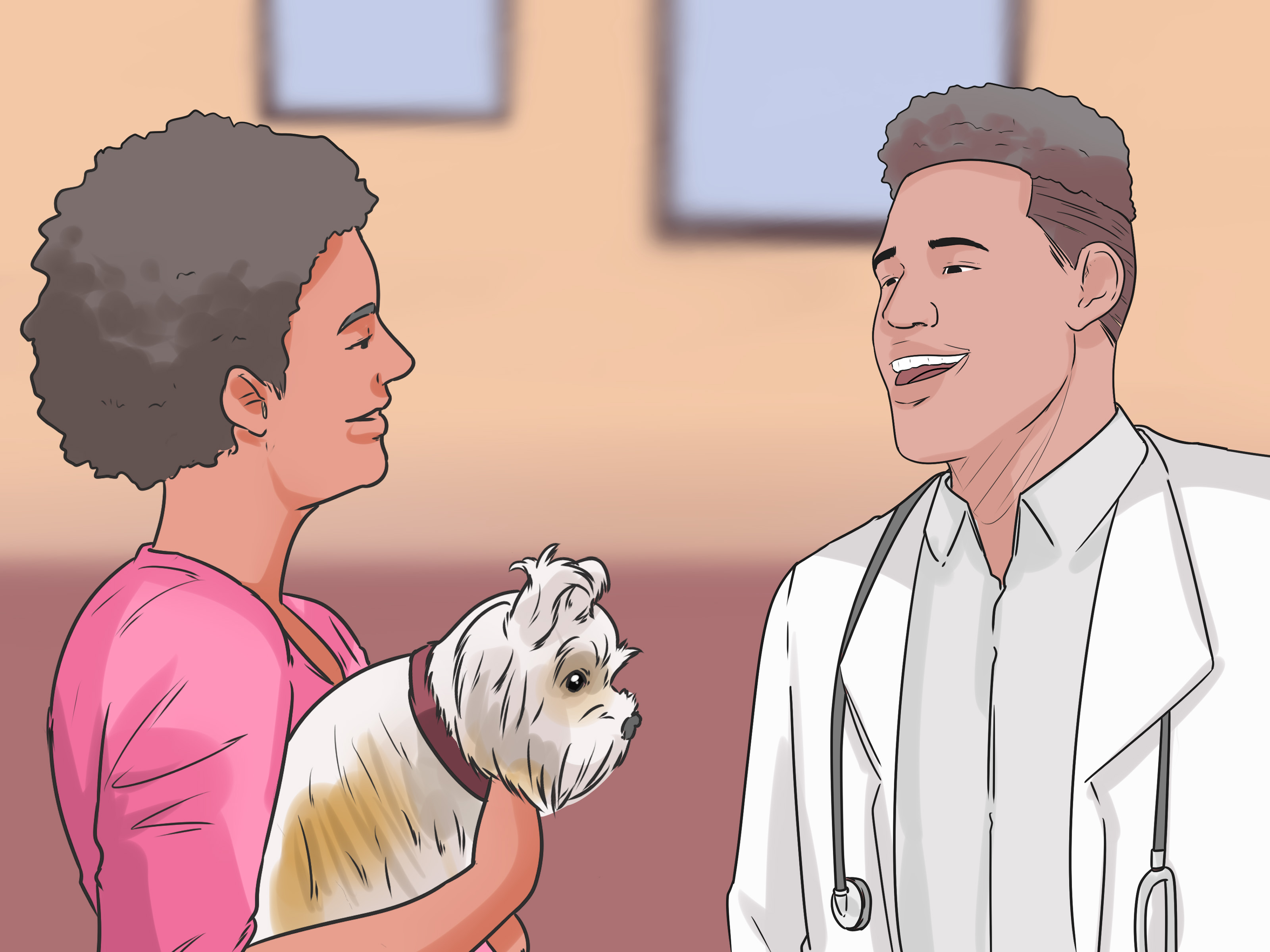
Some behavior problems need expert support. Contact a veterinarian, veterinary behaviorist, certified dog trainer, or certified behavior consultant if your dog shows aggression, panic when left alone, severe destruction, repeated biting, intense fear, compulsive behavior, or behavior that keeps getting worse despite consistent training.
Choose professionals who use humane, reward-based methods. Avoid anyone who promises instant dominance, recommends harsh punishment as the first option, or talks about your dog like a criminal mastermind. Your dog is not trying to overthrow the government. They need guidance.
Common Annoying Dog Behaviors and Quick Fixes
Barking at Everything
Block the view, teach “quiet,” reward calmness, add enrichment, and avoid yelling. To your dog, yelling may sound like you are joining the bark committee.
Jumping on People
Ask for a sit before greetings. Reward four paws on the floor. Tell guests not to pet your dog until the dog is calm. Consistency is everything.
Chewing Household Items
Put valuables away, provide approved chews, supervise closely, and praise your dog for chewing the right things. Remember: to a dog, your expensive shoe and a chew toy may both look like mouth hobbies.
Begging at the Table
Stop feeding from the table, teach a mat behavior, and reward your dog for staying in their spot. Everyone in the house must follow the rule, including the person who whispers, “Just one bite,” like a snack criminal.
Following You Everywhere
Teach independence gradually. Reward your dog for relaxing on a bed while you move around. Practice short separations before expecting your dog to handle long absences.
Mistakes That Make Annoying Dog Behavior Worse
One major mistake is inconsistency. If jumping is forbidden on Monday but adorable on Tuesday, your dog will keep trying. Dogs are excellent gamblers. If a behavior works sometimes, they may repeat it even harder.
Another mistake is too much punishment. Harsh corrections can increase fear, anxiety, and defensive behavior. They can also damage trust. This does not mean you let your dog do whatever they want. It means you set boundaries while teaching better behavior.
A third mistake is expecting instant results. Behavior change takes repetition. Your dog has practiced the annoying habit many times. New habits need practice too. Think in weeks, not minutes.
Real-Life Experience: What Actually Helps When Your Dog Is Driving You Bananas
Living with an annoying dog can feel personal, especially when the behavior happens every single day. The barking starts during your work call. The jumping happens when your friend arrives in clean pants. The chewing victim is never the old slipper; it is always the good shoe. Naturally.
One of the most useful experiences many dog owners discover is that frustration drops when you stop expecting your dog to “just know.” Dogs do not arrive preloaded with human house rules. They do not understand that the couch pillow is decor, not prey. They do not understand that the delivery driver is not invading the kingdom. They do not understand that guests prefer greetings that do not involve full-body impact.
A practical approach is to pick one behavior at a time. Trying to fix barking, jumping, pulling, chewing, begging, and sock theft in one weekend will make both of you miserable. Start with the behavior that causes the biggest problem. For many owners, that is barking or jumping. Create a simple plan and repeat it daily.
For example, if your dog jumps on guests, prepare before the doorbell rings. Keep treats near the entrance. Put your dog on leash or behind a gate. Ask for “sit.” When your dog sits, the guest may approach. If the dog jumps, the guest calmly turns away or steps back. When the dog sits again, attention returns. This teaches a clear lesson: sitting makes people appear; jumping makes people boring.
If your dog barks out the window, do not wait until the barking storm begins. Change the setup. Close blinds during busy times. Add a white noise machine if hallway sounds trigger barking. Reward your dog for noticing a sound and looking back at you. Over time, your dog learns that triggers predict treats and calm direction, not a full opera performance.
Another hard-earned lesson is that dogs need legal outlets. If you do not give your dog something acceptable to chew, chase, sniff, shred, lick, or solve, they will freelance. Freelance dog entertainment rarely improves your home’s resale value. A stuffed food toy, cardboard box shredding session, sniff walk, or five-minute training game can prevent a surprising amount of household drama.
It also helps to track patterns. Write down when the annoying behavior happens. Is your dog worse before dinner? After a boring day? When visitors arrive? When left alone? During storms? After skipping a walk? Patterns reveal solutions. A dog who chews at 8 p.m. may need an evening enrichment routine. A dog who barks after seeing other dogs may need distance, counterconditioning, and calmer walking routes.
Most importantly, celebrate tiny wins. The first time your dog barks three times instead of thirty, that counts. The first time they sit for one guest, that counts. The first time they choose a chew toy over your shoe, throw an emotional parade. Quiet progress is still progress.
Your dog is not annoying because they lack love for you. They are annoying because they are a dog living in a human world full of strange rules: do not bark at invisible hallway monsters, do not lick plates in the dishwasher, do not eat tissues, do not greet Grandma like a linebacker. With patient training, better outlets, and consistent routines, your dog can become calmer, happier, and much easier to live with.
Conclusion
Dealing with your annoying dog starts with changing the question from “How do I stop this?” to “What does my dog need, and what should they do instead?” Most frustrating dog behaviors improve when you combine veterinary awareness, positive reinforcement, exercise, enrichment, management, routines, and clear replacement behaviors.
Your dog does not need perfection. You do not need perfection either. You need a plan, patience, and maybe a lint roller the size of a canoe. Start small, stay consistent, reward the good stuff, and remember that behind most annoying behavior is a dog trying very hard to understand a human household that makes absolutely no sense to them.