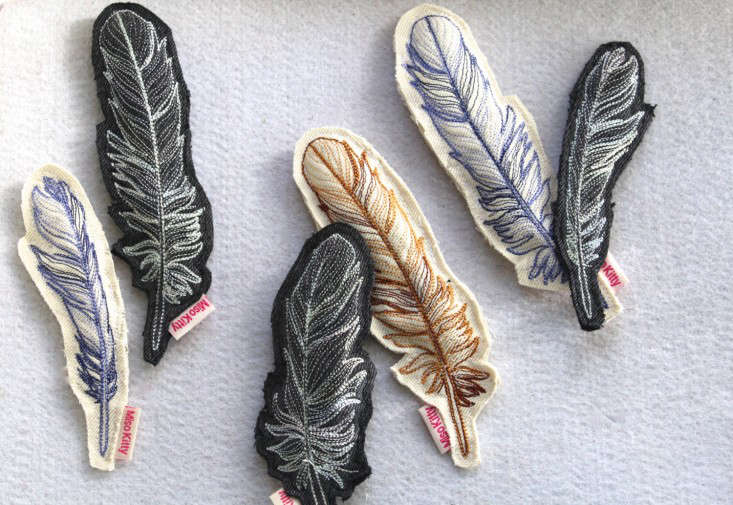

Few sights are more entertaining than a dignified house cat suddenly transforming into a tiny airborne ninja because something feathery moved six inches. Feather toys tap into a cat’s instinct to stalk, chase, leap, grab, and dramatically celebrate victory. Traditional versions, however, often use real bird feathers, wool felt, leather, or other animal-derived materials.
Vegan feather cat toys offer an animal-free alternative. Instead of genuine feathers, they use fluttering fabric, faux plumage, paper fringe, recycled synthetic fibers, cotton ribbons, cork, hemp, or other materials designed to imitate the erratic movement of prey. A thoughtfully made toy can provide the excitement cats love without including parts taken from animals.
That does not mean every product labeled “vegan,” “natural,” or “eco-friendly” is automatically safe, durable, or sustainable. Cat toys live a difficult life. They are bitten, kicked, dragged under the couch, dunked in water bowls, and occasionally presented to humans at 3:00 a.m. as evidence of a successful hunt. Choosing the right one requires a little detective work.
What Are Vegan Feather Cat Toys?
A vegan feather cat toy is a plaything that creates the appearance, texture, or movement of feathers without using animal-derived feathers or other animal ingredients. It may be attached to a wand, sewn onto a kicker toy, suspended from a play structure, or designed as a lightweight object that a cat can bat across the floor.
The word vegan applies to the materials and manufacturing choices associated with the toy. It does not mean that the product is edible, nutritionally suitable, or intended to change a cat’s diet. Cats still have species-specific nutritional needs. The toy simply allows shoppers to choose an animal-free accessory.
Vegan Does Not Automatically Mean Plastic
Some faux feathers are made from polyester or nylon, but manufacturers can create prey-like movement in many other ways. Narrow cotton strips can flutter. Folded paper can rustle. Hemp fringe can twitch across the floor. Cork shapes are lightweight enough to bounce unpredictably, while tightly woven fabric can be cut into wings, tails, or streamers.
Each option has trade-offs. Synthetic fibers may be durable and easy to clean but can shed plastic filaments. Plant-based materials may appeal to environmentally conscious shoppers, yet loosely woven fibers can fray quickly. The best choice balances animal-free construction, durability, movement, and safety.
Research basis for vegan labeling and environmental marketing distinctions: FTC, Vegan Action, and animal-material guidance.
Why Cats Love Feather-Like Toys
Cats do not need a toy to look perfectly realistic. They are often more interested in how it behaves. A fluttering lure that disappears behind a chair, pauses, trembles, and darts away can resemble a bird, insect, or other small creature trying very unsuccessfully to avoid becoming lunch.
They Activate the Predatory Play Sequence
Feline play often includes stalking, chasing, pouncing, grabbing, biting, and kicking. Interactive toys provide an appropriate target for these behaviors while keeping human fingers out of the action. This matters because encouraging kittens to attack hands or feet can teach them that human ankles are legitimate hunting equipment.
Wand-style vegan feather toys are especially useful because the caregiver controls the speed and direction of the lure from a safer distance. The toy can skim along the floor like a mouse, jump onto a cushion like an insect, or flutter through the air like a bird. Basically, one inexpensive wand lets you become the director of a very low-budget wildlife documentary.
They Encourage Physical and Mental Activity
Indoor cats benefit from opportunities to run, climb, investigate, and solve small hunting challenges. Regular interactive play can help relieve boredom, encourage movement, strengthen the human-cat bond, and redirect excessive energy toward an acceptable target.
Individual preferences matter. Some cats are fascinated by airborne lures, while others prefer prey that stays close to the ground. A cat that ignores a fluttering “bird” may immediately attack a fabric strip dragged like a mouse. Observing these preferences can prevent the classic pet-owner experience of buying a beautiful toy that the cat rejects in favor of its shipping box.
Research basis for feline predatory play, prey preferences, enrichment, and human-cat interaction: Cornell Feline Health Center, Ohio State Indoor Pet Initiative, AAHA, FelineVMA, and VCA.
Common Materials in Vegan Feather Cat Toys
Product descriptions can be surprisingly vague, so it helps to recognize the materials commonly used in animal-free designs.
| Material | Advantages | Points to Check |
|---|---|---|
| Polyester or nylon faux feathers | Lightweight, colorful, washable, and capable of realistic fluttering | Look for securely attached fibers and replace the lure if it begins shedding |
| Cotton fabric or canvas | Soft, familiar, and available in tightly woven forms | Loose threads and frayed edges should be trimmed or the toy discarded |
| Hemp or sisal | Plant-based, textured, and useful for fringe or sturdy bodies | Coarse fibers may unravel when heavily chewed |
| Paper or cardboard | Lightweight, inexpensive, rustling, and easy to shape | Not suitable for cats that swallow torn paper or soaked cardboard |
| Cork | Plant-derived, buoyant, lightweight, and naturally bouncy | Inspect it for crumbling after repeated biting |
| Recycled synthetic felt | Can reduce demand for new plastic and provides a soft, durable surface | Confirm the felt is synthetic because traditional felt may contain wool |
| Natural rubber | Flexible and useful for durable connectors or toy bodies | Check the complete material list and watch for cracking or missing pieces |
Animal-Derived Materials That May Be Easy to Miss
Real feathers are the obvious ingredient to avoid, but they are not the only possibility. Wool felt, fur, leather, suede, silk, beeswax coatings, and certain animal-derived glues may also appear in pet products. A toy advertised as “natural” could contain wool or leather and therefore may not meet a vegan buyer’s expectations.
Look for a complete materials list rather than relying on a leaf icon or a picture of a happy forest. Helpful descriptions may include terms such as “100% synthetic feather,” “wool-free felt,” “plant-based fibers,” or “no animal-derived materials.” Third-party vegan certification can provide additional assurance when it is available, although many small pet-toy makers do not pursue formal certification.
How to Choose a Safe Vegan Feather Cat Toy
Examine the Construction
Before giving a new toy to your cat, pull gently on the lure, connector, cord, bell, and decorative pieces. Nothing should detach under light pressure. Check seams for gaps, inspect knots, and avoid products with exposed staples, sharp wire ends, brittle plastic, or easily removable eyes and beads.
The lure should be large enough that your cat cannot swallow it whole. This is especially important for kittens, enthusiastic chewers, and cats that attempt to eat their victories rather than merely admire them.
Treat Strings and Wands as Supervised Toys
String, ribbon, yarn, and elastic cords can be dangerous when swallowed or wrapped around a cat. Wand toys should therefore be used during active, supervised play and stored securely afterward. A closed cabinet or drawer is safer than leaving the wand leaning in a corner where a determined cat can conduct an unscheduled solo performance.
If part of a cord or toy appears to have been swallowed, do not pull visible material from the cat’s mouth or rectum. Contact a veterinarian promptly for instructions. Vomiting, loss of appetite, lethargy, abdominal discomfort, or changes in bowel movements after suspected ingestion also deserve veterinary attention.
Look for Low-Shed, Non-Toxic Components
A vegan label does not guarantee that dyes, adhesives, or coatings are appropriate for chewing. Choose toys from companies that clearly identify their materials and provide care or safety instructions. Strong chemical odors, sticky surfaces, flaking paint, and unexplained glitter are reasonable grounds for rejection.
Remember that “non-toxic” does not mean “safe to swallow in unlimited quantities.” Even an animal-free, plant-based material can cause choking or intestinal obstruction when consumed in a large piece.
Match the Toy to the Cat
A gentle senior cat may prefer a soft, slow-moving ribbon lure. A high-energy adolescent may need a longer wand and a durable replaceable attachment. Cats that chew aggressively should not be left alone with fringe, cords, or small fabric pieces. Cats with mobility limitations can still enjoy play when the lure is kept low and moved at a comfortable pace.
Research basis for supervision, string-ingestion risk, toy sizing, inspection, and active play: ASPCA, Humane Society, VCA, AAHA, and Ohio State Indoor Pet Initiative.
Vegan and Eco-Friendly Are Not the Same Claim
A toy can be vegan but made entirely from newly manufactured plastic. Another toy can contain recycled materials but also include wool or genuine feathers. “Vegan,” “recycled,” “biodegradable,” “compostable,” and “plastic-free” describe different characteristics and should not be treated as interchangeable.
Shoppers interested in both animal welfare and sustainability should look for specific, verifiable information. Useful details include the percentage of recycled content, whether replacement lures are available, the type of packaging used, and whether individual parts can be repaired or recycled. Broad phrases such as “planet safe” or “green toy” provide much less information.
Durability also matters. A simple toy that lasts for months may generate less waste than a supposedly sustainable toy that disintegrates during its first meeting with Captain Whiskers.
How to Play With a Vegan Feather Wand
Move the Lure Like Prey
Do not continuously wave the lure directly in your cat’s face. Real prey generally tries to escape, so move the toy away from the cat, across the floor, around furniture, and briefly out of sight. Alternate quick movements with pauses. A tiny twitch after several seconds of stillness can trigger more interest than nonstop frantic waving.
Experiment with three broad movement styles:
- Bird mode: Flutter the lure upward, land it on a surface, and allow it to hop away.
- Mouse mode: Drag it along walls, under paper, and around furniture legs.
- Bug mode: Use short, irregular movements with frequent pauses and sudden changes in direction.
Allow the Cat to Catch It
A play session should include successful captures. Let the cat grab, bite, or kick the lure briefly before making it “escape” again. Repeatedly preventing a catch can create frustration, particularly when the toy strongly activates hunting behavior.
Finish by slowing the prey down and allowing one final capture. A small portion of the cat’s regular food or an appropriate treat can provide a satisfying ending, especially for cats that enjoy a hunt-catch-eat routine.
Keep Sessions Short and Regular
Several brief play sessions are usually more effective than one exhausting marathon. Many cats enjoy approximately two or three sessions of 10 to 15 minutes per day, although age, health, personality, and energy level should guide the schedule. Kittens may prefer more frequent bursts, while senior cats may enjoy slower and shorter games.
Stop or reduce intensity if the cat begins panting, loses coordination, becomes irritable, or walks away. A veterinarian can recommend appropriate activities for cats with arthritis, heart disease, breathing problems, injuries, or other medical limitations.
Rotate Lures to Preserve Novelty
Instead of leaving every toy available all the time, keep a few in circulation and store the rest. Changing the shape, texture, scent, and movement style every few days can make an older toy seem newly suspiciousand therefore worthy of immediate attack.
Research basis for short daily sessions, successful captures, rotating toys, and prey-like movement: AAHA, FelineVMA, Ohio State Indoor Pet Initiative, Cornell, and VCA.
Cleaning and Maintaining Vegan Cat Toys
Follow the manufacturer’s care instructions whenever they are available. Many fabric lures can be wiped with a damp cloth or gently hand-washed in unscented soap, but wooden handles, cork pieces, adhesives, electronic components, and paper attachments may require different treatment.
Rinse away soap residue and let washable parts dry completely before play. Avoid heavily scented cleaners because cats have a sensitive sense of smell and may reject a toy that suddenly smells like artificial lemon thunder.
Inspect the toy before and after every energetic session. Replace it when you notice:
- Loose or missing fibers
- Frayed cords or stretched elastic
- Cracked plastic or splintered wood
- Open seams or exposed stuffing
- Loose bells, clips, beads, or connectors
- Pieces small enough to be swallowed
Replaceable lure systems can reduce waste because the wand does not need to be discarded whenever the attachment wears out. Just make sure the replacement connector locks securely and does not create a small detachable part.
Can You Make a Vegan Feather Cat Toy at Home?
A simple animal-free teaser can be made from tightly woven cotton strips, sturdy paper, or other cat-appropriate vegan materials attached to a smooth wand. However, homemade does not automatically mean harmless. Avoid staples, exposed wire, loose rubber bands, long unattended strings, easily removed decorations, and hardened lumps of glue.
Use the homemade item only during supervised play and inspect it frequently. Cats that chew or swallow fabric, paper, or cord should use a professionally constructed alternative recommended by a veterinarian or feline behavior professional.
Optional catnip or silvervine may make a toy more interesting to some cats, but not every cat responds to these plants. Enclose dried material securely inside the toy rather than leaving loose herbs scattered around components that may already be tempting to chew.
Common Buying Mistakes
- Assuming faux feather means completely vegan: The toy may still contain wool, leather, silk, or animal-derived trim.
- Confusing natural with animal-free: Wool and feathers are natural materials, but they are not vegan.
- Buying only for appearance: A beautiful toy is useless when the connector fails or the cat dislikes its movement.
- Ignoring the cord: A durable lure attached to a weak, fraying string is still a poor choice.
- Leaving wand toys accessible: Supervised equipment should be stored after each session.
- Keeping damaged toys too long: Retirement is kinder than waiting for a loose part to become a veterinary emergency.
- Expecting one toy to suit every cat: Feline prey preferences are personal, mysterious, and occasionally insulting.
A Practical Experience With Vegan Feather Cat Toys
The following field notes are a composite of common cat-owner experiences rather than a claim of personal product testing.
The first lesson in trying vegan feather cat toys is that the material list matters far less to the cat than the movement. A cotton-winged lure can look plain in the package yet become irresistible when dragged behind a chair. Meanwhile, an elaborate faux bird with four colors, sparkling streamers, and the visual confidence of a Broadway costume may receive one sniff before being permanently ignored.
During an initial introduction, the most successful approach is usually to place the toy on the floor and move it slowly away. Shaking it above the cat’s head may produce a few jumps, but ground-level movement often gives cautious cats enough time to stalk. Once their shoulders lower, their pupils widen, and the rear-end wiggle begins, the toy has officially been accepted into the prey department.
A lightweight faux-feather lure tends to perform best in the air. It changes direction easily and floats down rather than dropping like a tiny brick. Plant-fiber strips often work better as mouse or insect substitutes because they skim, twitch, and rustle. Neither style is universally superior. In a two-cat home, one cat may launch vertically after anything that flutters while the other waits behind a table for something foolish enough to crawl past.
Durability differences become clear after several sessions. Thin decorative strands may begin loosening, especially when a cat catches the lure and performs rapid bunny kicks. Tightly stitched cotton or recycled synthetic felt generally keeps its shape longer than loosely tied fringe. Replaceable attachments are especially convenient because the favorite lure is often the first part to become battered beyond recognition.
Storage is another real-world test. Leaving a wand on a bookshelf may seem harmless until a resourceful cat pulls it down, drags the cord through three rooms, and creates a knot that resembles modern art. Putting interactive toys in a closed drawer after play prevents unsupervised chewing and also preserves novelty. The sound of that drawer opening can quickly become the feline equivalent of hearing an ice cream truck.
Cleaning reveals additional differences. Smooth synthetic lures are often easier to wipe, while paper and untreated plant fibers may lose their shape after becoming wet. Cotton attachments can sometimes be hand-washed, but they need to dry thoroughly. Strongly scented detergent is rarely appreciated. A toy that smells unfamiliar may be treated with suspicion even if it was yesterday’s undisputed champion.
The greatest improvement usually comes from changing play technique rather than buying more products. Moving the lure in predictable circles quickly becomes boring. Hiding it behind a cushion, pausing, and then letting one small strip peek out can restart the hunt. Allowing frequent catches also keeps the game satisfying. Cats appear far more invested when they are permitted to win instead of being forced to chase an immortal piece of fabric forever.
After a week of rotating different animal-free lures, a practical pattern tends to emerge: one toy becomes the aerial favorite, another works best for floor chases, and a third is ignored until it is moved differently. The experience shows that vegan feather cat toys do not need to replicate real feathers perfectly. They need safe construction, engaging motion, appropriate supervision, and a human willing to spend ten minutes pretending a cotton strip has terrible survival instincts.
Final Thoughts
Vegan feather cat toys can deliver the fluttering movement and interactive excitement cats enjoy without using genuine feathers, wool, leather, or other animal-derived materials. The strongest options combine transparent labeling, secure construction, durable low-shed components, and movement suited to the individual cat’s hunting style.
Choose specific material claims over vague marketing language, supervise all play involving cords or wands, inspect toys regularly, and allow successful catches. Most importantly, remember that the person controlling the toy is part of the enrichment. Even the finest vegan lure cannot perform its best work while sitting motionless in a draweralthough your cat may still stare at that drawer and issue formal complaints.